
Summer Americana: When Patriotism Meets Perspiration
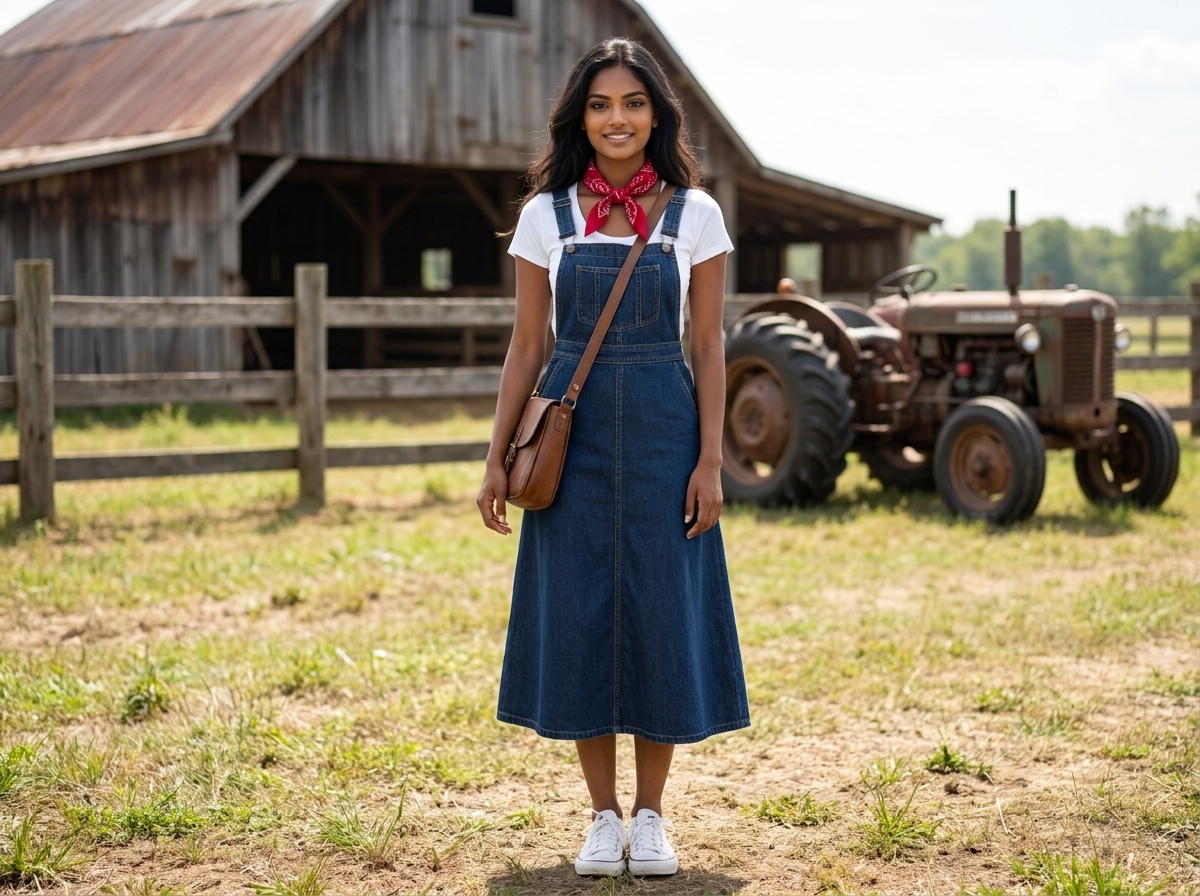
There's a version of America that exists mainly in the imagination.
It’s one with endless summers, fresh-squeezed lemonade, and broken in, light wash jeans. It's the America of county fairs, front porches, long baseball games and even longer barbecues.
No phones. Good music. The light is always golden hour.
The interesting thing about Summer Americana aesthetic is that it works because everyone knows that version of America is somewhat fictional. You're not pretending it's 1955. You're wearing the clothes of 1955 in full knowledge of 2026.
That's the tightrope this aesthetic walks better than almost any other. It's American without requiring you to paper over what "American" means.
What it looks like in practice:
broken-in denim
white cotton
gingham in red or blue
cowboy boots with sundresses
baseball caps and bandanas
The American landscape inspires the palette and the clothes are designed for living in.
Here's the cultural canon:
Summer Americana: Cultural References
Movies
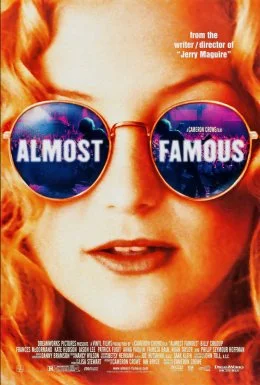
Theatrical poster for Almost Famous. Source: Wikipedia.
Stand by Me (1986) — coming-of-age in small-town Oregon; the aesthetic of endless summer and its inevitable end
Badlands (1973) — the open American landscape as protagonist; workwear as character costume
Almost Famous (2000) — the concert formula in motion; band tees with genuine provenance
Mud (2012) — rural Southern Americana at its most unromanticized and therefore most honest
The Last Picture Show (1971) — small-town Texas in black and white; the myth and the melancholy in equal measure
Television
Friday Night Lights (2006–2011) — Texas towns, stadium lights, denim and practicality worn without self-consciousness
Rectify (2013–2016) — the American South rendered with uncommon slowness and honesty
Yellowstone (2018–present) — Western Americana at peak cultural saturation; useful as reference and cautionary tale simultaneously
Schitt's Creek (2015–2020) — not Americana strictly, but the fish-out-of-water small-town dynamic illuminates what the aesthetic actually values
Deadwood (2004–2006) — workwear origins taken seriously; the clothes as actual function before they became fashion
Music
Bruce Springsteen — Nebraska (1982) specifically; the working-class roots of the aesthetic in album form
Gillian Welch — the Appalachian thread running through all of it
Kacey Musgraves — Golden Hour (2018); the post-irony rehabilitation of country as aesthetic and emotional register
Creedence Clearwater Revival — the sonic equivalent of cutoff shorts and a pickup truck
Phoebe Bridgers — Indie Americana updated for the post-irony era
Books
Cannery Row — John Steinbeck; working-class California
A Visit from the Goon Squad — Jennifer Egan; the music industry, nostalgia, and the American summer as recurring emotional landscape
Where the Crawdads Sing — Delia Owens; rural Southern landscape as character; cottagecore adjacent but distinctly Americana
Travels with Charley — John Steinbeck; the road trip as American self-mythology
The Virgin Suicides — Jeffrey Eugenides; 1970s suburban Michigan summer; the aesthetic's darker nostalgic undercurrent
-
Summer Americana is a fashion aesthetic rooted in the clothing traditions of American leisure culture — broken-in denim, white cotton, gingham, cowboy boots, and canvas sneakers.
It draws from workwear origins, 1950s suburban summers, county fairs, baseball games, and backyard barbecues.
The aesthetic is comfort, natural fabrics, and sun-bleached palettes.
What Summer Americana Aesthetic Is
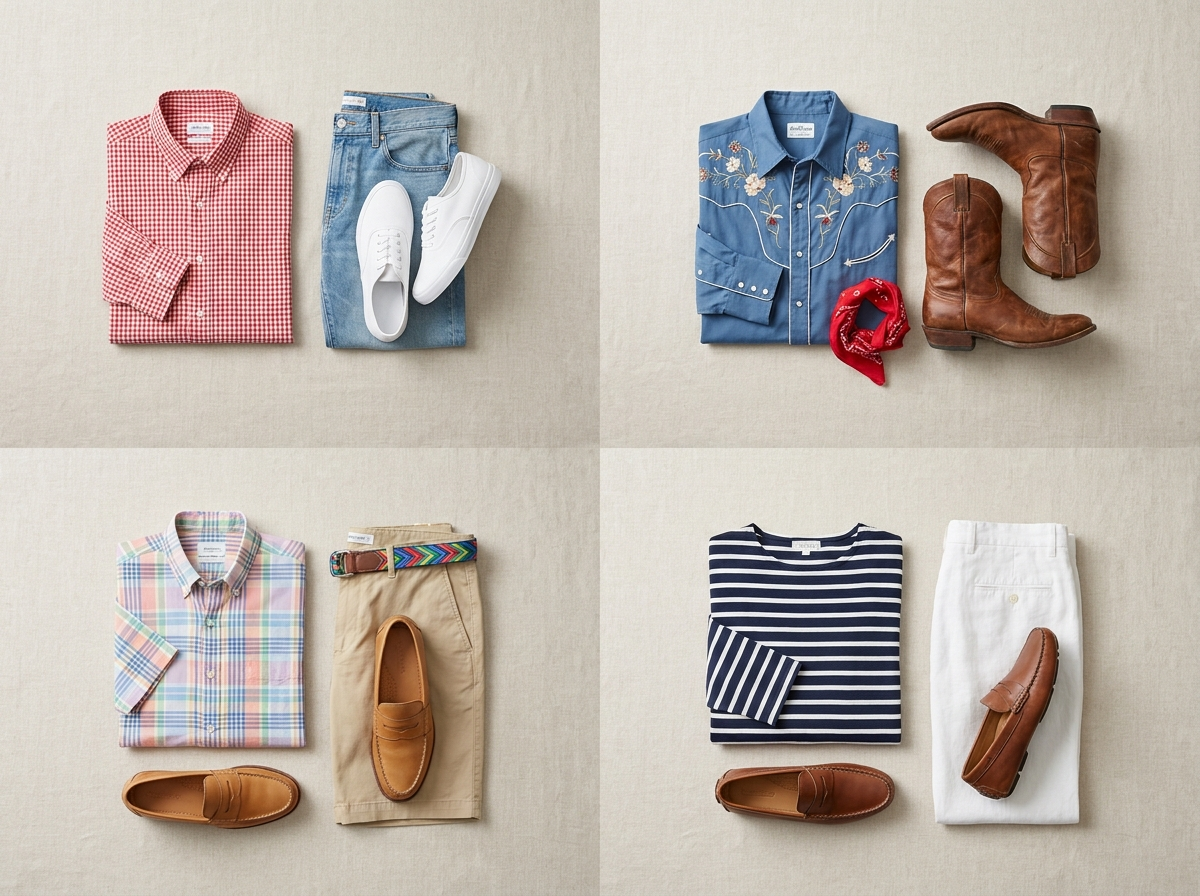
Summer Americana can mean anything from a Fourth of July party outfit to a Ralph Lauren campaign. They’re similar but neither are the whole picture.
Like Nautical, Summer Americana is based in workwear. Sturdy fabrics, loose silhouette, and a palette inspired by the American landscape. It is not all about patriotism. Red, white, and blue show up because they're baked into the source material, like gingham, denim, and cotton.
What separates Summer Americana from its close relatives is partly cultural geography and attitude. It's wider than Nautical, more vernacular than Prep, more sincere than its hipster interpretation.
It belongs to county fairs as much as country clubs, to Dust Bowl documentaries as much as Ralph Lauren lookbooks.
Summer Americana contains multitudes — which is either its greatest strength or its central identity crisis, depending on the day.
Four Aesthetics, One Spectrum
Summer Americana vs. Western · Prep · Nautical
← Scroll to compare →
| Summer Americana | Western Americana | Prep Americana | Nautical | |
|---|---|---|---|---|
| Cultural Root | Broad American leisure tradition | Ranch and rodeo culture, the West | East Coast establishment, old money | Maritime function, European coastal leisure |
| Geographic Anchor | National — county fairs, suburbs, the heartland | American West — Texas, Nashville, the plains | New England, the Mid-Atlantic, yacht clubs | Coastlines — French Riviera, Nantucket, the Hamptons |
| Signature Pieces | Levi's 501s, gingham shirt, white tee, canvas sneakers | Cowboy boots, pearl snap shirts, fringe, turquoise | Madras, ribbon belts, Bermuda shorts, boat shoes | Breton stripe, peacoat, linen trousers, loafers |
| Palette | Sun-bleached red, white, blue, denim, natural tan | Worn denim, rust, turquoise, brown leather, cream | Navy, white, Kelly green, pink, khaki | Navy, white, Breton red, weathered brass |
| Vibe | Earnest, inclusive, nostalgic, comfortable | Romantic, rugged, performative in the best way | Reserved, aspirational, quietly status-conscious | Refined, restrained, European-inflected |
| Irony Level | Medium — self-aware but sincere | Low to high depending on zip code | Low — worn without apology | Low — takes itself seriously |
| Occasion | BBQs, state fairs, road trips, outdoor concerts | Rodeos, country concerts, line dancing, horseback | Regattas, country clubs, summer houses, golf | Sailing, coastal dining, European holidays |
| Crossover Risk | Gets mistaken for costume on July 4th | Gets mistaken for Halloween in urban contexts | Gets mistaken for Nautical — they share a zip code | Gets mistaken for Prep Americana east of the Hudson |
The Prep Americana / Nautical crossover is real — see the full breakdown in the Nautical aesthetic guide.
Prep Americana and Nautical share plenty of wardrobe DNA.
The short version: Prep Americana is about social architecture (the club, the family, the institution); Nautical is about the water, and carries a European coastal thread that Prep doesn't. If your Prep Americana instincts run toward the dock rather than the lawn, check out the Nautical aesthetic.
Summer Americana Aesthetic: Definition, Comparison, and Cultural Context
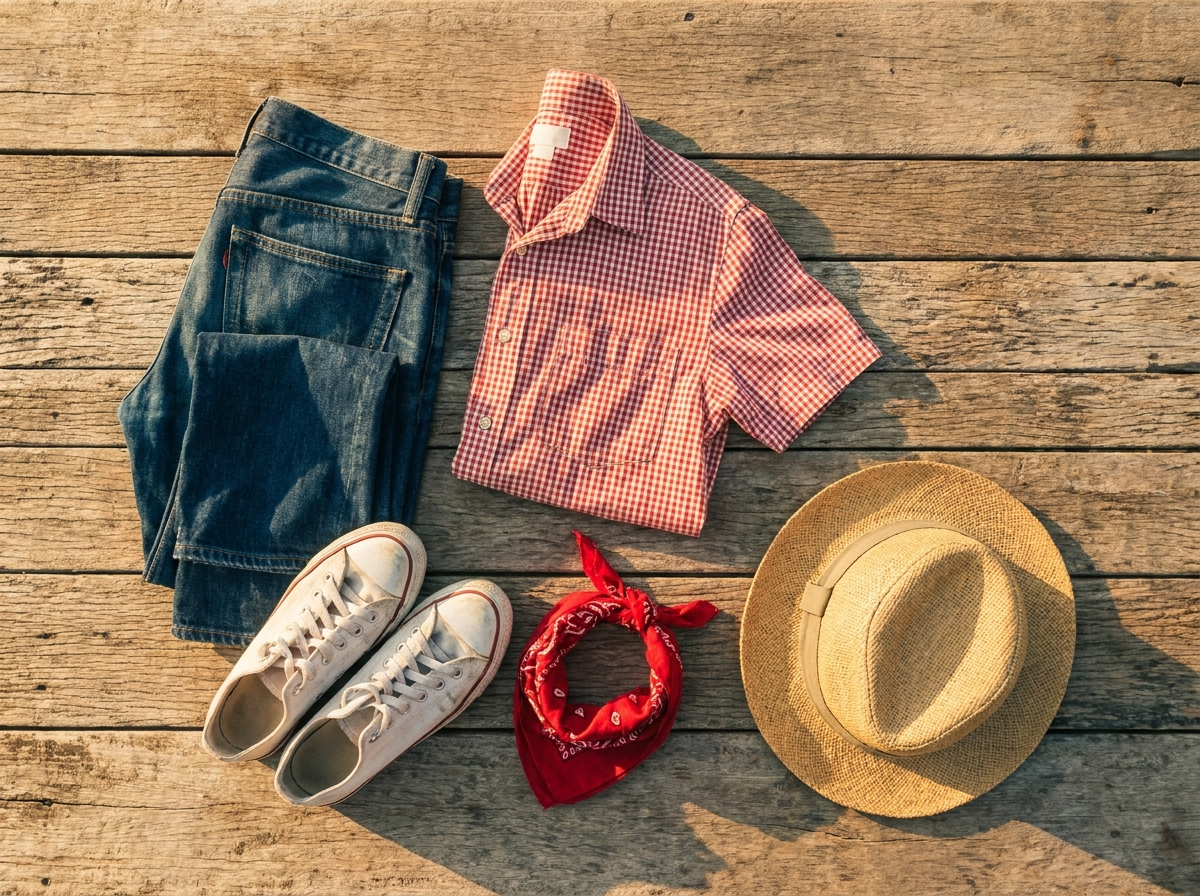
Summer Americana was slowly assembled across about a century and a half of Americans figuring out what to do with their leisure time.
The starting point is workwear. Denim was for miners and laborers; gingham was the practical choice of farm wives because it waswashable and durable; and bandanas were tools. The aesthetic's foundational pieces earned their cultural authority by being functional first.
The first major transformation came in the 1950s, with postwar prosperity and the suburban expansion. With this came something many American’s now take for granted: the backyard.
-
Summer Americana has three origin points: American workwear (denim, gingham, and bandanas chosen for durability rather than style), the 1950s suburban expansion, and Ralph Lauren's 1970s–80s curation of those traditions.
The hipster irony era of the 2000s complicated it briefly.
The post-irony era rehabilitated it.
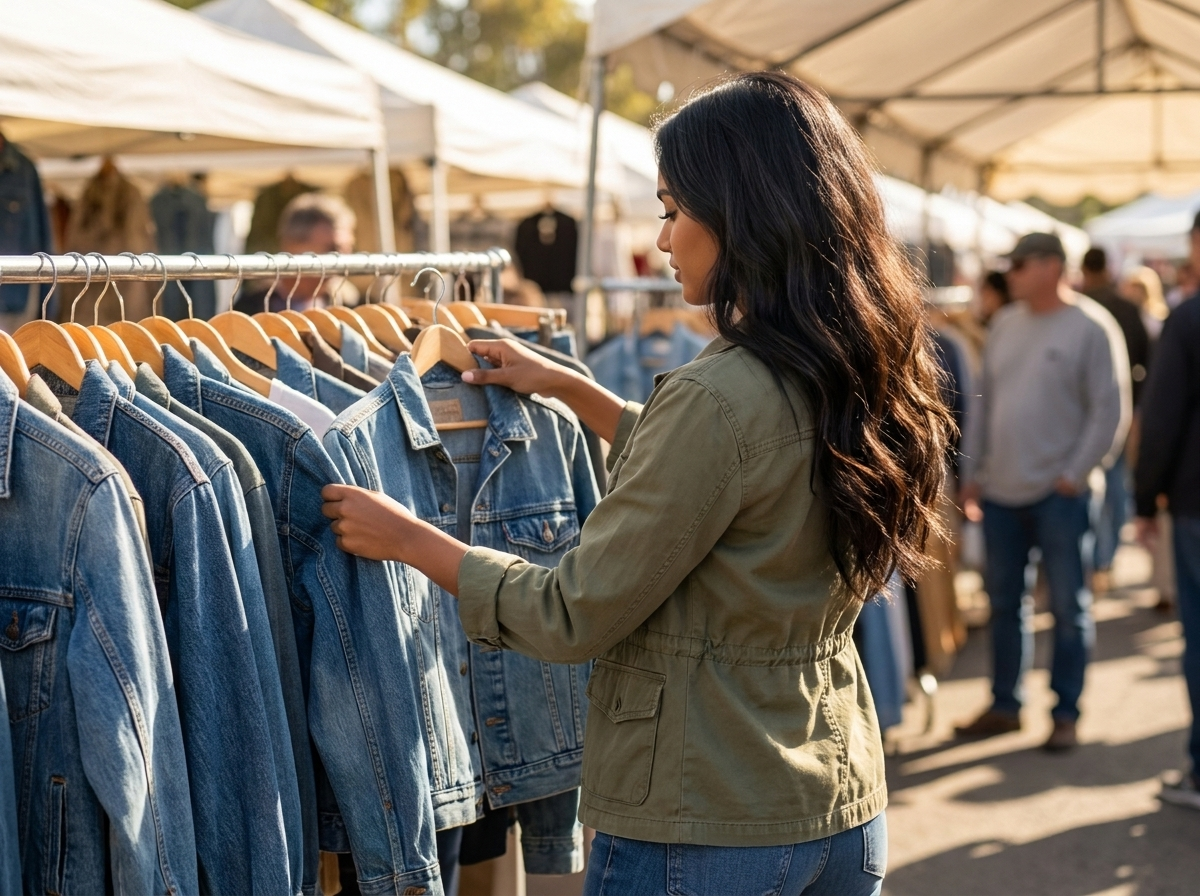
Suddenly there were lawns to tend and neighbors to entertain. Grilling became popular. So did the station wagon, the drive-in, and the county fair. American summer developed its own costume.
The second transformation is largely credited to person: Ralph Lauren. In the 1970s and 80s he saw that the workwear, Western and prep traditions could become a single vision. He took existing pieces and told a story. The result was Americana as an aesthetic, not a regional accident.
Then the hipsters got hold of it.
The 2000s irony era, Williamsburg, PBR, trucker hats, marked the moment Summer Americana became self-conscious. Vintage finds were the trend. People reclaimed the workwear roots.
Today, the TikTok cowboy and the farmers market regular have reclaimed their valid position. The sustainable fashion movement embraces the thrift-and-vintage angle without the accompanying sneer.
Summer Americana Wardrobe: The Essential Pieces
-
The Summer Americana wardrobe builds from five categories
denim (Levi's 501s or cutoff shorts), tops (white tee, gingham shirt, baseball tee, pearl snap western shirt), dresses (gingham sundress or eyelet white),
footwear (cowboy boots or canvas sneakers),
and accessories (bandana, straw hat, turquoise jewelry, leather belt).
Natural fabrics, broken-in finishes, and secondhand finds across all categories.
Denim: The Foundation of Summer Americana Style
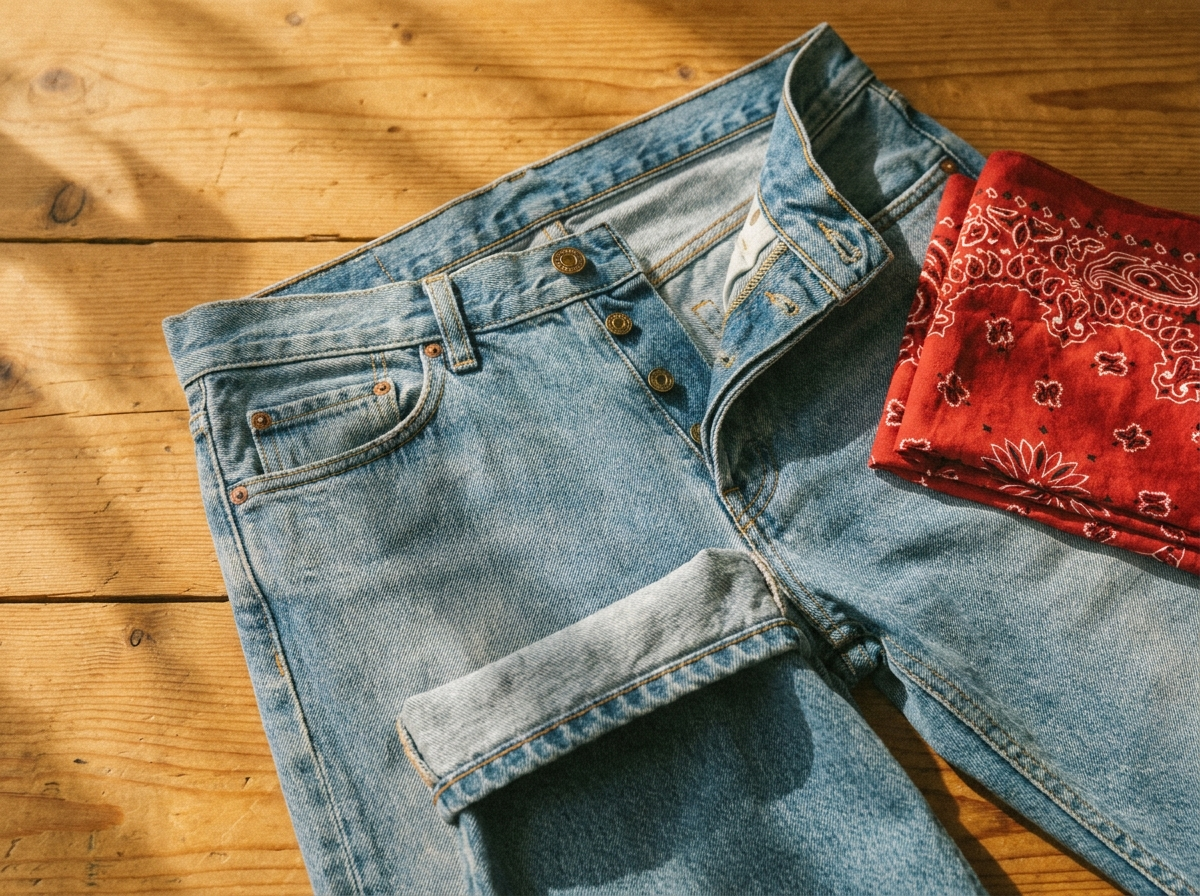
Summer Americana’s foundation is denim.
Specifically: the Levi's 501. Light wash for summer, high-waisted, straight or wide leg, cuffs turned up once. The cutoff shorts are the seasonal variation — DIY preferred, frayed hem mandatory. If you're buying new, the vintage-inspired options from Madewell and Levi's own line are best. If you're buying used, you're doing it right.
The Wardrobe — Denim
Where to Find It
The Tops Hierarchy: White Tee to Western Shirt
The white t-shirt is non-negotiable. It’s a slightly oversized cotton tee with good quality weight.
The gingham shirt comes next: short sleeves, red or blue check, sleeves rolled to the forearm, worn open over the tee or tied at the waist.
The baseball tee, with raglan sleeves and contrasting colors. The vintage team logo is optional but encouraged.
The pearl snap western shirt rounds out the tops wardrobe.
The Wardrobe — Tops
Where to Find It
Summer Americana Dresses: Two Silhouettes That Do Everything
Dresses earn their place here through two silhouettes.
The gingham sundress, with the sweetheart neckline, full skirt, and pockets, does the most aesthetic heavy lifting.
The eyelet white dress is the dressy alternative. Victorian in origin, modern in cut, and appropriate for both farmers markets and summer weddings. Both work with cowboy boots. Speaking of which…
[DRESSES CALLOUT BOX]Investment: Christy Dawn, Reformation Mid-Range: Free People, RIXO, AnthropologieAccessible:& Other Stories, ASOS, vintage and thrift (particularly strong category for secondhand finds)
Footwear: The Case for Cowboy Boots in Summer
Footwear is where Summer Americana makes its boldest argument. The cowboy boot goes with everything… dresses, shorts, and everything else. Vintage preferred, broken in mandatory, dancing encouraged.
The canvas sneaker, specifically Converse Chuck Taylors is a strong alternative.
[FOOTWEAR CALLOUT BOX]Investment: Tecovas, Lucchese (boots); Common Projects (sneakers) Mid-Range:Ariat, Justin Boots; Converse (the correct answer at any price point) Accessible: Thrifted cowboy boots (the best cowboy boots are always used), Converse
Summer Americana Accessories: Useful First, Decorative Second
Accessories are useful first, decorative second.
The bandana is the workhorse. It’s red or blue and worn at the neck, wrist, or head. A straw hat handles both sun protection and aesthetic credibility.
Add turquoise jewelry in silver settings, a large buckled leather belt, and a canvas tote or woven bag.
[ACCESSORIES CALLOUT BOX]Investment: Cause and Effect (turquoise jewelry); quality leather belt from a Western goods store Mid-Range: gorjana, Pamela Love (jewelry); Madewell (belt, bag) Accessible: Vintage and thrift across the board — accessories are the strongest secondhand category in this aesthetic. ThredUp, Depop, local flea markets.
Types of Summer Americana: Four Styles, One Aesthetic
-
Summer Americana has four main sub-aesthetics: Classic Americana (sincere, gingham-forward, county fair energy), Western Americana (cowboy boots, pearl snaps, turquoise, romantic and regional), Indie Americana (vintage workwear, band tees, post-irony sincerity), and Prep Americana (madras, ribbon belts, East Coast establishment summers).
All four share the foundational denim-and-cotton wardrobe; what separates them is attitude, occasion, and geography.
Classic Americana
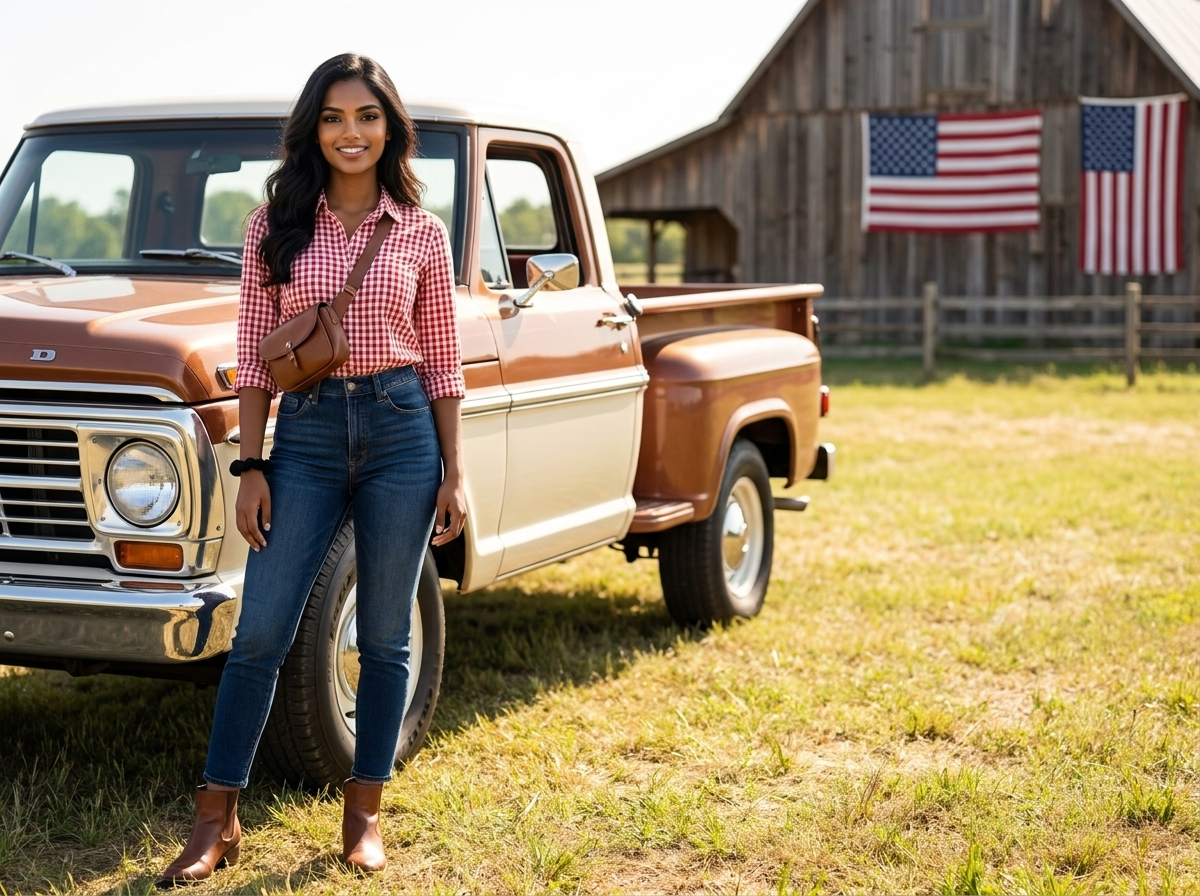
Classic Americana looks most like the myth. Think Norman Rockwell compositions, county fair queens, and apple pie cooling on a windowsill.
The wardrobe is gingham-forward with modest lengths and red lipstick. The silhouette is feminine and worn with white canvas sneakers or simple sandals. The hair is done. The picnic blanket is coordinated. This is Summer Americana worn with no irony or deconstruction.
The Classic lane is also the one most likely to tip into costume on the Fourth of July, which is worth monitoring.
Western Americana
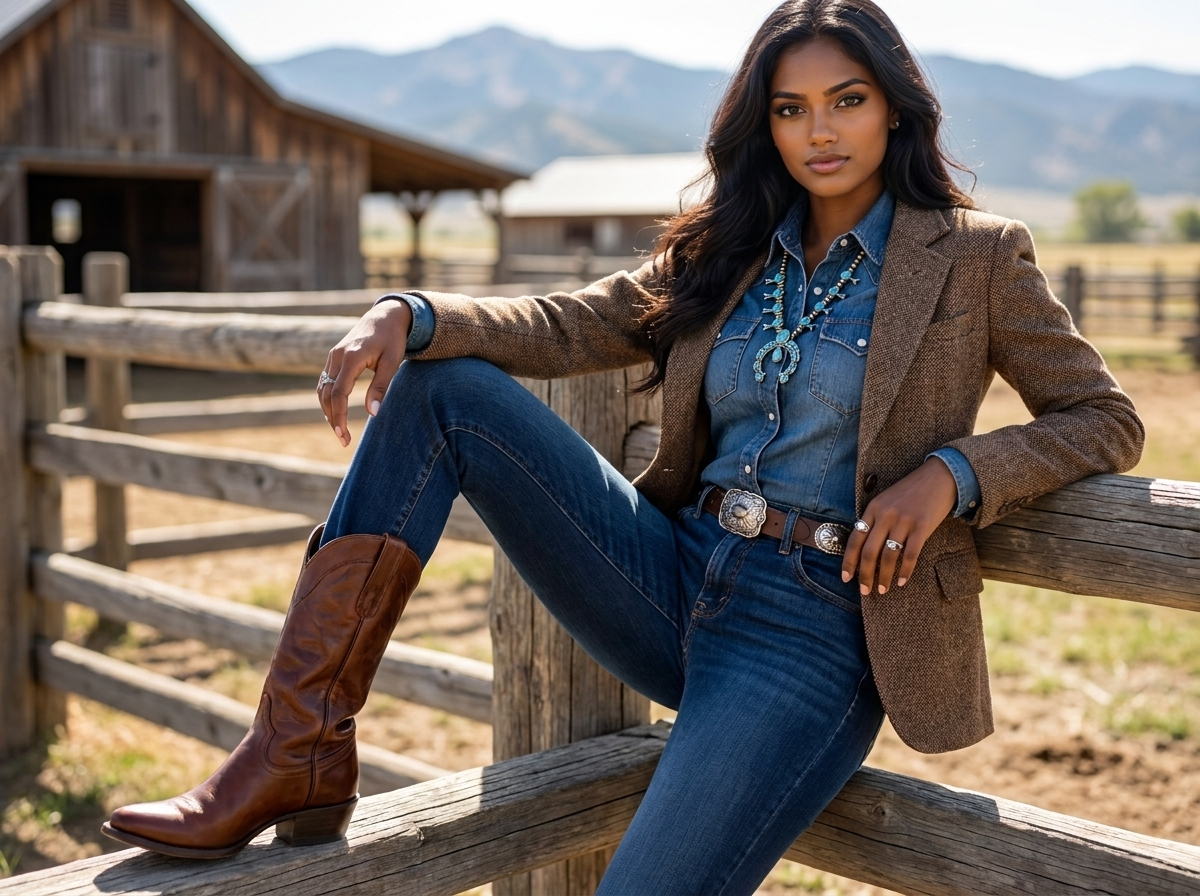
Western Americana is where the aesthetic gets romantic and slightly performative.
The cowboy boot is load-bearing here, worn with everything from cutoff shorts to midi dresses. Also required is the pearl snap shirt, turquoise jewelry in silver settings. Fringe for those with enough confidence. The palette is slightly darker compared to Classic Americana. You’ll find more rust, brown leather, and more cream against worn indigo. References are more open landscape than county fair.
The best version of Western Americana is worn by someone who lives adjacent to it.
Indie Americana
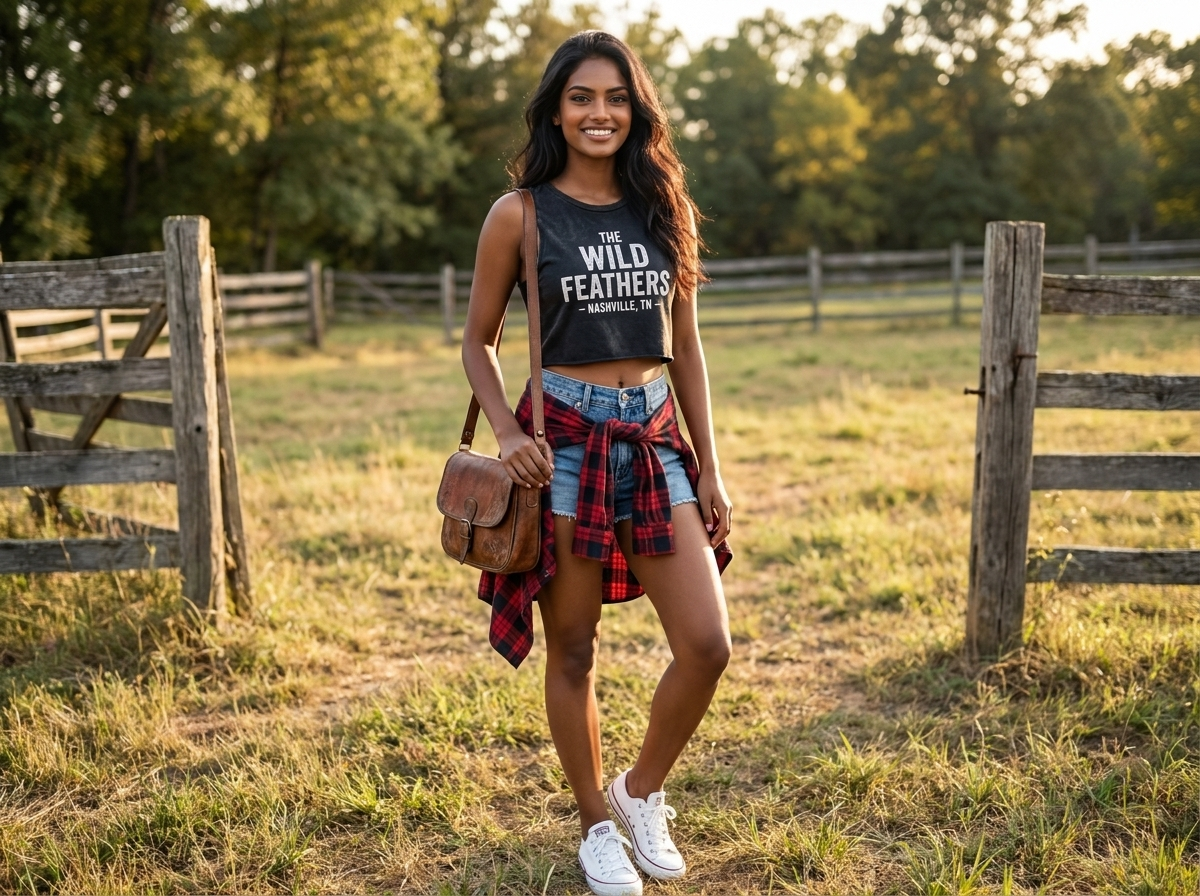
Indie Americana is the irony tier.
This is the lane that produced vintage band tees, cutoffs with fraying, and flannels in July with the sleeves pushed up. The cultural moment that built it was complicated. The workwear roots were aestheticized by people who definitely didn't work in denim, but the style instincts underneath were sound.
Emphasizing things like vintage, natural fibers, and independent makers, Indie Americana has mellowed in the post-irony era. We still have the craft beer but mostly without the sneer. What’s left is a preference for things with history over price tags.
Prep Americana
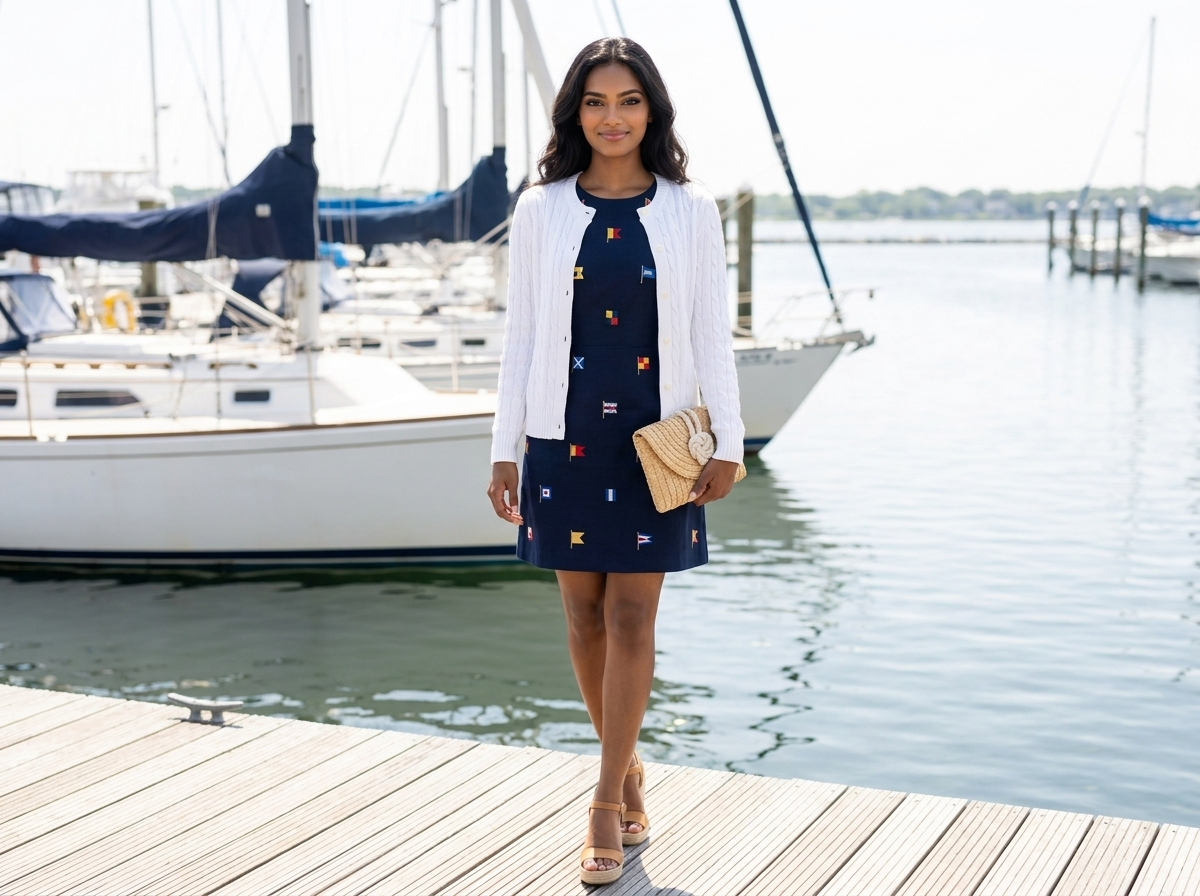
Prep Americana is Summer Americana filtered through the East Coast establishment.
The wardrobe borrows from sailing and tennis as much as from workwear. You’ll find Bermuda shorts in khaki or madras, polo shirts in pique cotton, and needlepoint details on belts and loafers.
The color palette is brighter than the others, with Kelly green, coral, and bright white alongside the navy, and the sun-bleached quality of Classic or Indie Americana.
This sub-aesthetic includes more monograms and less fringe. It also has the heaviest overlap with Nautical territory.
What Does the Summer Americana Aesthetic Really Mean?
-
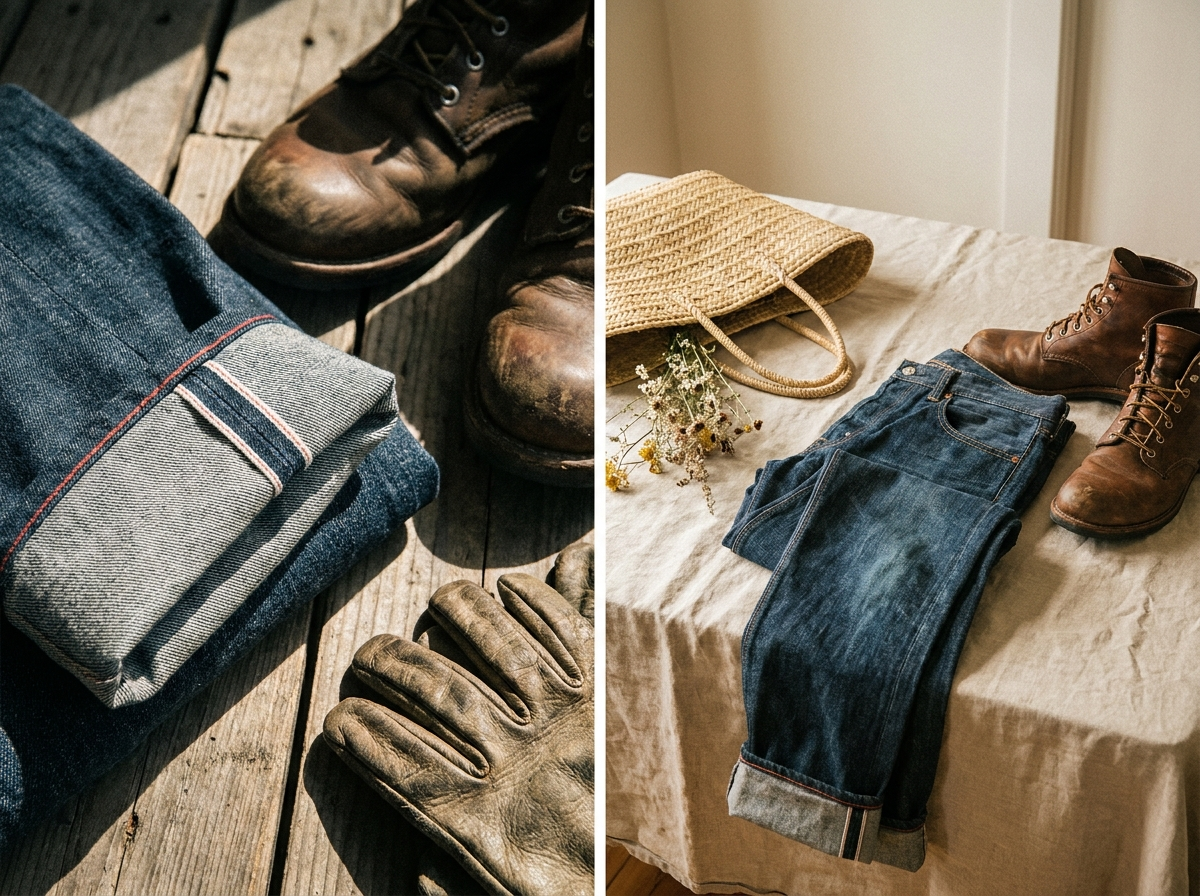
Summer Americana is built on working-class clothing popularized by people who are not working class, who wear it in nostalgia for an America that was more fantasy than reality.
The best version holds both the nostalgia and the complication together.
The Class Dynamics of Americana Style
There's something about an aesthetic built on nostalgia for working-class clothing worn by people who are, largely, not working class. The denim that built Summer Americana was miners' denim. Farm wives wore gingham not because it looked cute, but because it was practical.
There’s no reason, though, to feel bad about wearing Levi's to a farmers market. Fashion has always moved through class registers. What's interesting about Summer Americana is how transparent that process is. Nobody is pretending the cutoff shorts are functional workwear. The self-awareness of the aesthetic is mainly an acknowledgment that everyone understands what's happening here.
Which America Is Americana Nostalgic For?
What's more complicated is the question of which America the aesthetic is nostalgic for.
The 1950s suburban summer was available to a specific and limited demographic. The Norman Rockwell America that Classic Americana channels was always more fantasy than reality. Rockwell understood this. His later work questioned the gap between the America he'd spent decades painting and the real America.
The best version of Summer Americana understands that the nostaglia and complicated history coexist.
Bonus: The Summer Americana Vacation Capsule
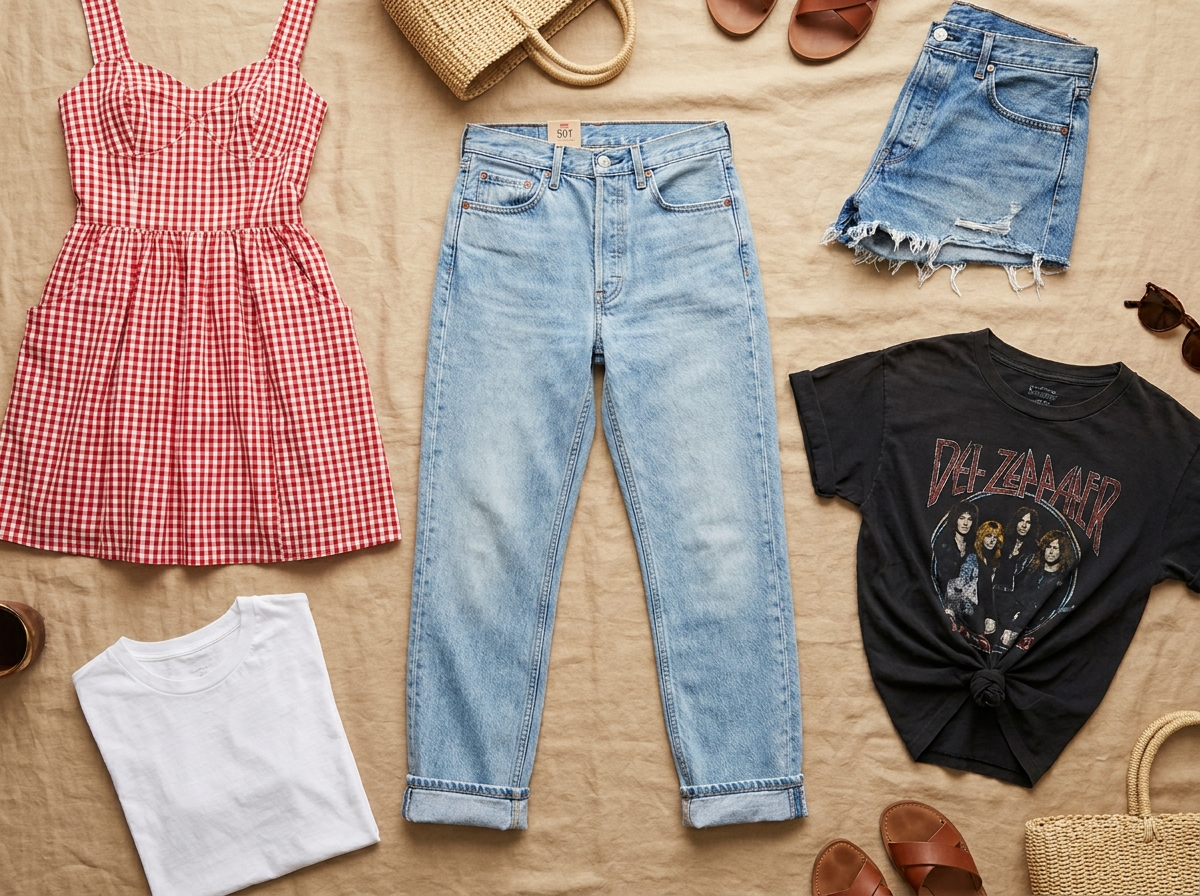
Five Pieces
1. Levi's 501s in Light Wash The anchor piece. High-waisted, straight leg, cuffs turned up once. Everything else in this capsule works with these jeans.
2. Red Gingham Sundress Full skirt, sweetheart neckline, and pockets. The single hardest-working piece in the capsule covers three outfit situations on its own and requires nothing beyond the accessories already in your bag.
3. White Cotton Tee Slightly oversized, enough weight to it, not see-through. Wear alone, layered under the dress for an unexpected 90s slip-dress move, tucked into the jeans, or tied at the waist over the dress on a cooler evening.
4. Vintage or Vintage-Feeling Band Tee The personality piece. Tuck into the jeans for the concert formula, knot at the waist over the sundress for a Western lean, worn loose with slides for the travel day.
5. Levi's Cutoff Shorts DIY preferred, frayed hem mandatory. High-waisted, mid-thigh, worn with everything.
Accessories
Cowboy boots (vintage preferred, broken in mandatory)
White canvas sneakers (Converse, worn)
Red bandana (at neck, wrist, or head depending on the day)
Straw hat (sun protection and aesthetic credibility)
Leather belt with a statement buckle
Small crossbody bag in leather or woven straw
Turquoise ring or simple silver chain, either or…not together
The Outfits
Outfit 1 — Travel Day Band tee worn loose over cutoff shorts, canvas sneakers, straw hat, crossbody bag. Comfortable enough for a long drive or a middle seat, pulls together enough to go directly from arrival to wherever you're going without stopping to change.
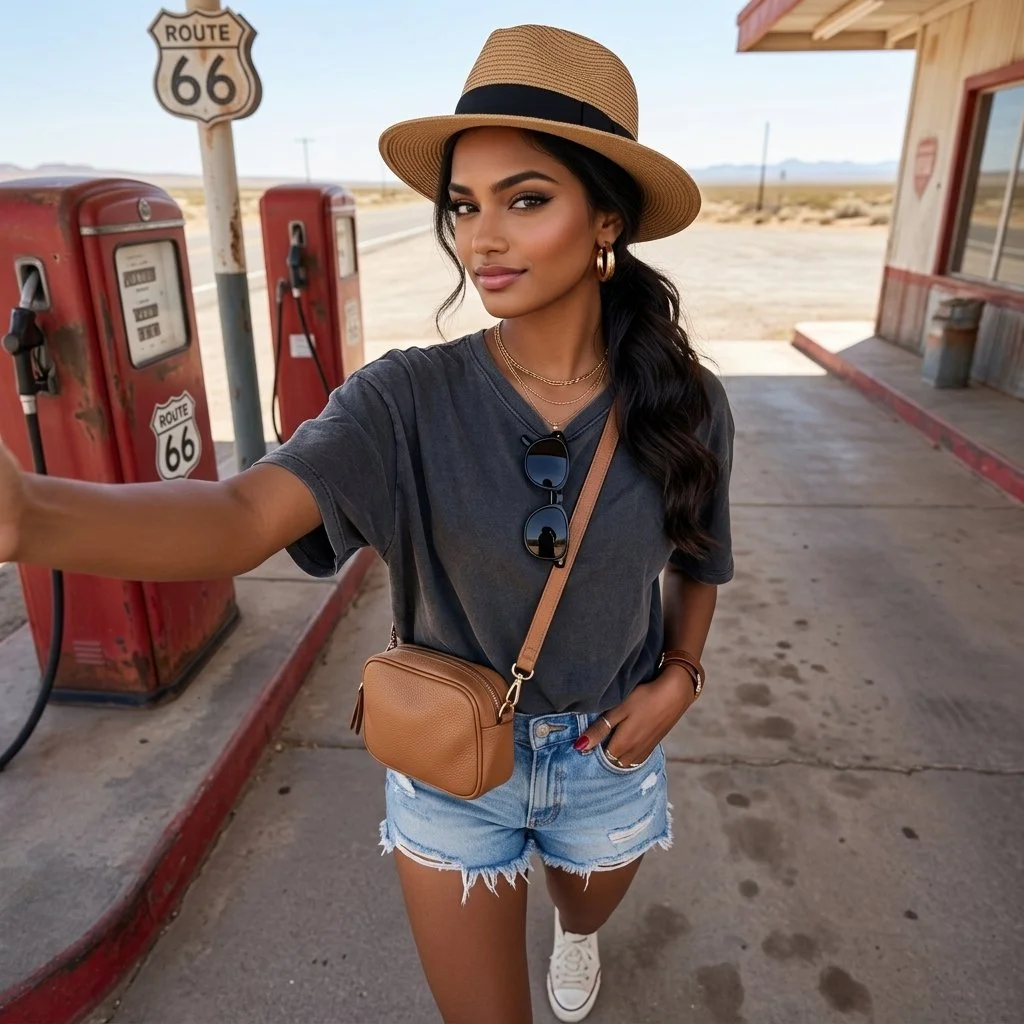
Outfit 2 — The Farmers Market / Day One White tee tucked into Levi's 501s, cuffs up once, canvas sneakers, straw hat, canvas tote. The everyday formula. Completely effortless, which is what day one of any trip should ask of you.
Outfit 3 — The Picnic or Afternoon Out Gingham sundress, canvas sneakers, red bandana at the wrist, straw bag. Red lipstick if you're committed. This is the outfit that photographs well at golden hour without having been chosen for that reason, which is the best kind of outfit.
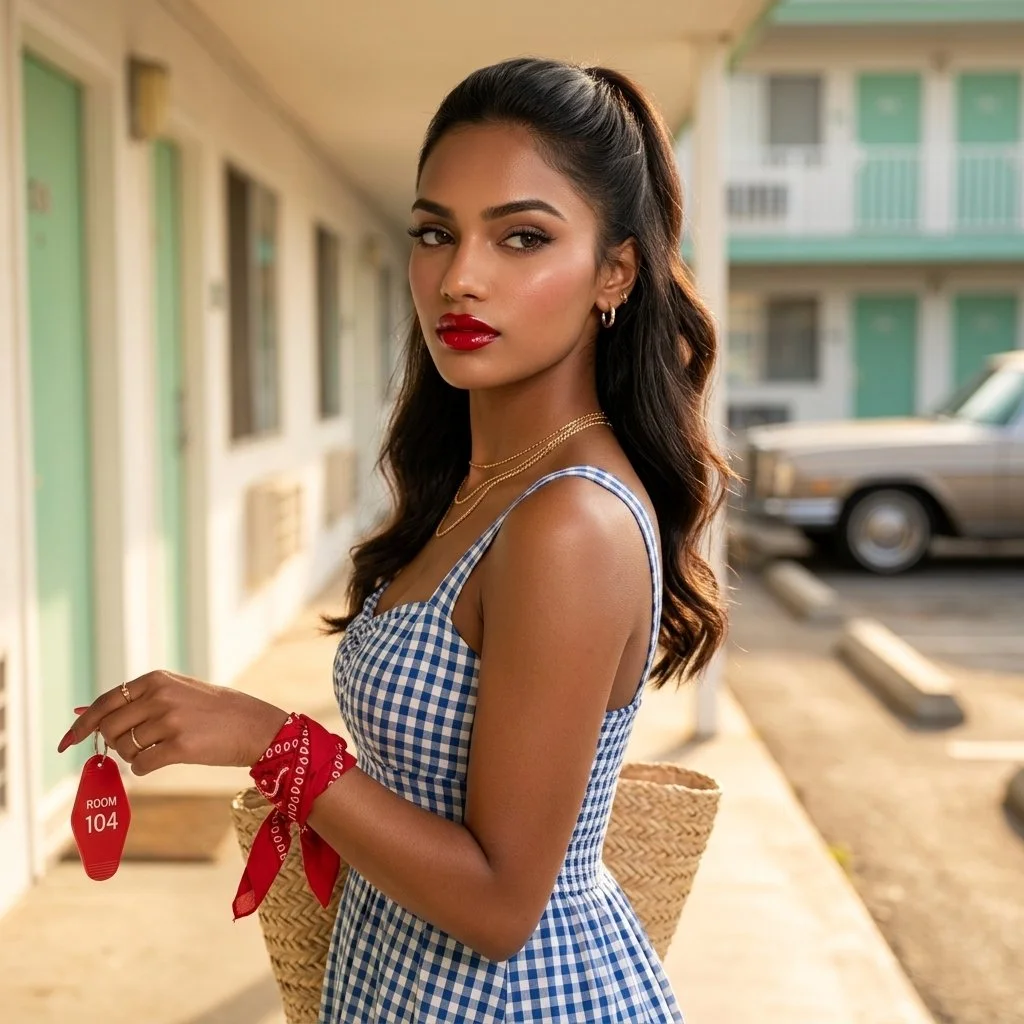
Outfit 4 — The Concert or Evening Out Band tee tucked into cutoff shorts, cowboy boots, leather belt, turquoise ring, small crossbody. The concert formula in full. Swap the band tee for the white tee if the occasion reads slightly more formal; the boots and belt do enough work that the top is flexible.
Outfit 5 — The Elevated Evening Gingham sundress with cowboy boots instead of sneakers, leather belt cinched at the waist, simple silver chain. The dress does something different with boots than it does with sneakers — less picnic, more Nashville — and the belt grounds the silhouette enough to read as intentional rather than accidental. This is the outfit for dinner somewhere that has a dress code implied but not stated.
Outfit 6 — The Lazy Day White tee knotted loosely over cutoff shorts, slides, bandana at the neck, sunglasses. The formula that requires the least and delivers the most — wearable for a beach walk, a roadside diner, a long afternoon on someone's porch. The one outfit on this list that requires no decisions whatsoever, which is its own form of genius.
The Logic of the Capsule
Six outfits from five pieces plus an accessories set. The cowboy boots and the canvas sneakers are the tone dial so the same outfit moves registers just by changing footwear. The gingham dress appears in three outfits without repeating itself. The white tee appears in four. Nothing requires ironing. Everything gets better with wear.
That's the capsule. Pack the bandana last because you'll want it on the road.
