
Hyperfemininity in Fashion: The Complete Guide to Feminine Aesthetics
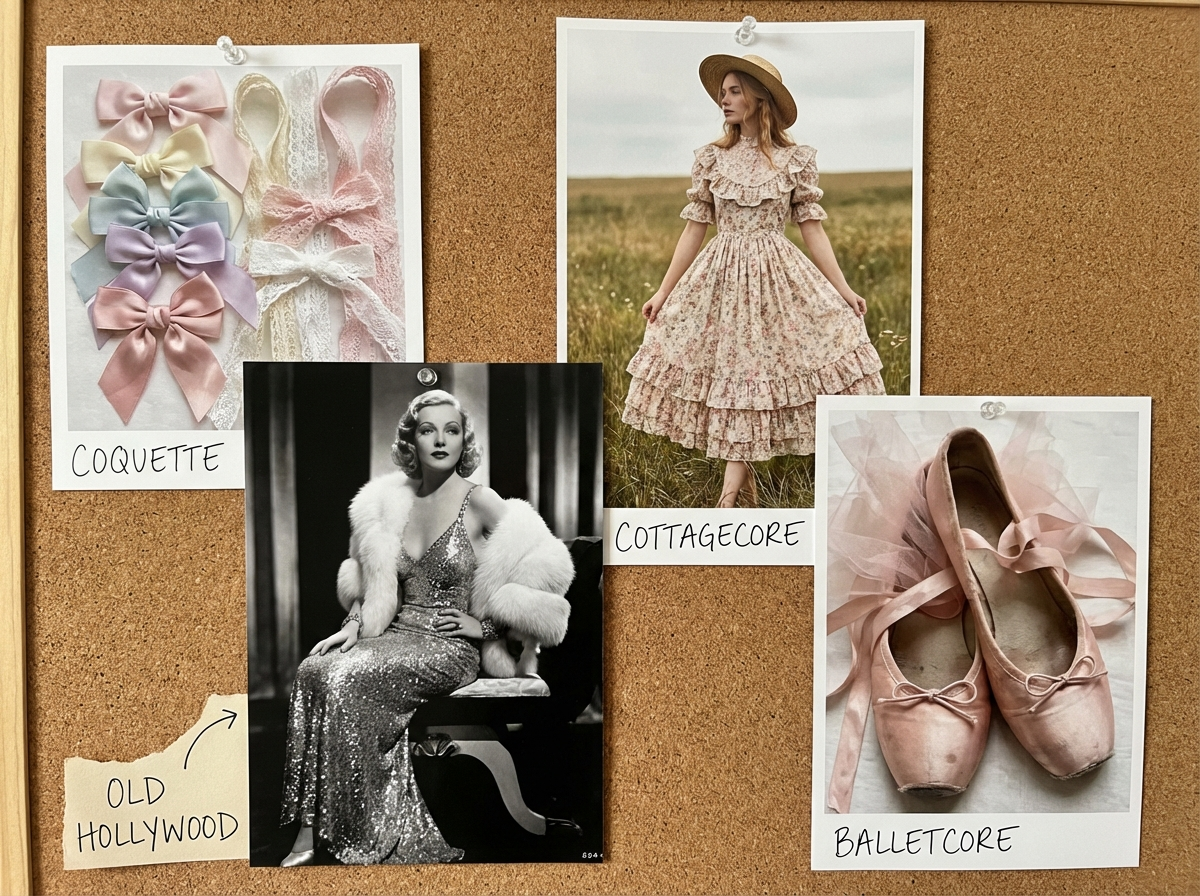
From coquette bows to cottagecore prairie dresses: A visual guide to hyperfeminine aesthetics in 2026
Introduction: The Hyperfeminine Renaissance
If you’ve spent more than twelve minutes on TikTok in the past three years, you’ve seen someone explain why their version of femininity is radical.
There’s the girl in the oversized bow defending coquette. The linen-dress domestic goddess reclaiming cottagecore. The black-and-white “dark feminine era” lipstick montage is vaguely threatening.
Welcome to the hyperfeminine aesthetic explosion—where being girly isn’t just a vibe. It’s a brand, a statement, a curated identity… and sometimes, just a fun way to dress.
What Hyperfemininity Means
At its simplest, hyperfemininity is exaggerated femininity.
Ruffles on ruffles. Aggressive pink. Bows large enough to qualify as structural engineering.
It’s about acknowledging that you’re performing femininity, not just passively existing in it.
There’s a difference between:
Throwing on a floral dress because it was on sale
Styling a bow-covered floral dress with Mary Janes and a ribbon in your hair because you’re making a statement
What that statement means depends on who you ask.
For some, hyperfemininity is reclamation.
For others, it’s escapism: cottagecore fantasy, Barbie dreamhouse maximalism, or a pink-washed Pinterest mood board.
And for some? It just photographs well.
All can be true at the same time.
Why Ultra-Feminine Aesthetics Are Having a Cultural Moment
This isn’t random. Several cultural shifts collided to create the 2020s hyperfeminine boom:
1. The Pandemic Made Aesthetics a Hobby
When we were stuck at home with nothing but our phones and our closets, curating a visual identity became a coping mechanism. Some people baked bread. Others discovered they were coquette all along.
2. Y2K Nostalgia Hit
Millennials got nostalgic. Gen Z rediscovered the early 2000s. Suddenly, Paris Hilton became a reference point instead of a punchline. The unapologetic girly energy of the era came back.
3. The Barbie Effect
Greta Gerwig’s Barbie made pink unavoidable. It legitimized excessive femininity.
4. Gender Conversations Got More Nuanced
As discussions around gender identity and performance evolved, so did the language around femininity. It’s no longer just “feminine.” It’s soft girl. Dark feminine. Coquette. Balletcore. The evolution is endless.
5. Algorithms Love Categories
TikTok doesn’t know what to do with “person who wears clothes.” It needs you in a niche. So aesthetics multiplied, got labeled, documented, and distributed at record speed.
We’re living in what could easily be called The Great Aesthetic Sorting of the 2020s.
The Digital Aesthetic Explosion
Teenagers can differentiate between coquette and balletcore like botanists classifying orchids.
Most of these styles aren’t new. Cottagecore existed long before it had a hashtag. Coquette is just a modern remix of mid-century flirtation. Barbiecore is…pink.
What’s new is the documentation.
Every aesthetic now has:
A name
Pinterest boards
Unofficial rules
And hyperfeminine aesthetics get the most scrutiny. Because femininity has always been judged.
Historical Context: When Femininity Became “Feminine”
Before we decode the hyperfeminine aesthetics currently eating your For You Page alive, we need to have an uncomfortable little chat about something most people treat like a law of nature:
That ruffles, bows, and pink are inherently “feminine.”
Spoiler: they’re not.
Or at least, they weren’t always. The idea of “pretty = woman” is modern-day branding and politics.
The Rococo Plot Twist: When Men Wore More Bows Than Women
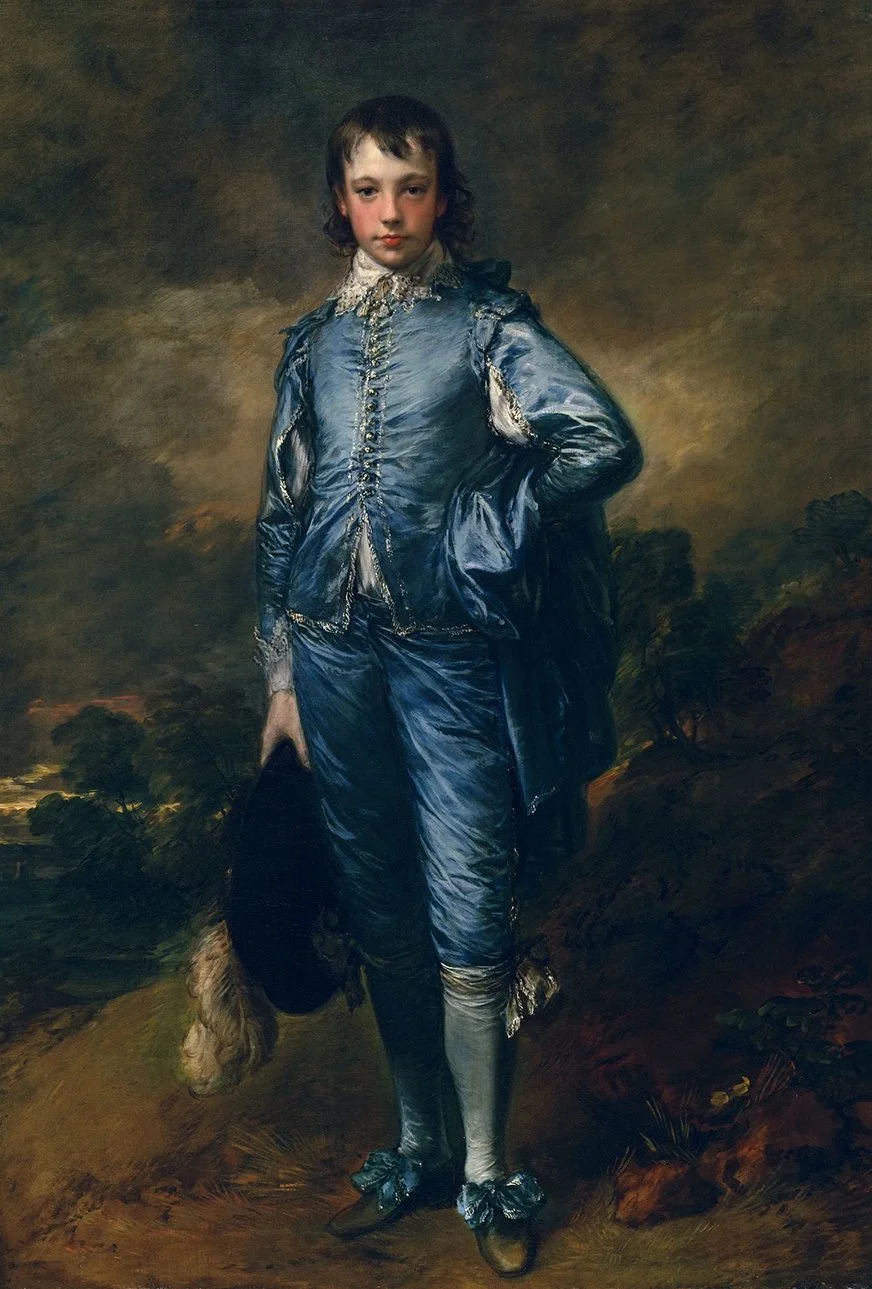
Let’s start with a fact that should immediately short-circuit aesthetic TikTok:
For a huge chunk of human history, men were the decorative sex.
Look at portraits from the courts of Louis XIV and Louis XV—peak European aristocracy, 17th and 18th centuries. The men wear:
elaborate wigs
silk brocade coats embroidered within an inch of their lives
lace cuffs that would make a coquette girl cry tears of envy
ribbons, bows, ruffles
pastels (pink was particularly popular for men)
high heels (yes, really)
even makeup
They looked like what we’d now call “maximally feminine.”
Meanwhile, women dressed up, but not always more. Gender differences existed, but the idea that decoration, color, and ornamentation belonged exclusively to women would have seemed bizarre.
If anything, men's fashion was more extravagant because men held the power and wealth to display.
The main divide wasn’t masculine vs. feminine. It was rich vs. poor.
Bows, ruffles, and embellishment indicated class and wealth, not gender.
They said:
I don’t do manual labor.
I can afford to waste fabric on decoration.
I am important enough to be uncomfortable.
And crucially: men didn’t think ruffles made them less masculine.
The Great Masculine Renunciation
Then—dramatic pause—we hit the late 18th and early 19th centuries, and men decided to stop being interesting.
Fashion historian John Carl Flügel named this “The Great Masculine Renunciation.” It’s basically the moment when Western men abandoned ornate dress and adopted the modern suit: dark colors, simple cuts, practical fabrics, and the general vibe of “my personality is productivity.”
Why did it happen? A few reasons:
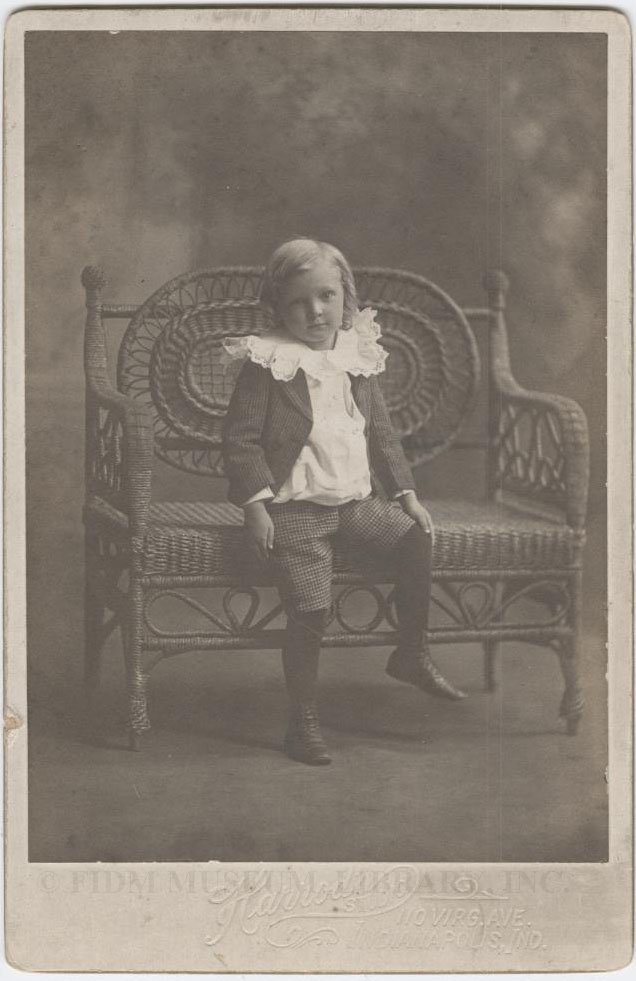
Little Lord Fauntleroy suit. Cabinet card, gelatin silver print c.1900 Gift of Steven Porterfield (Source: ASU)
Industrial capitalism: Wealth came from business and manufacturing. The new money crowd wanted to look “serious.”
Revolution and Enlightenment vibes: The French Revolution literally guillotined people for wearing too many ruffles.
Separate spheres ideology: Women cared for the home while men did the “real work.” Men dressed for authority. Women dressed to be pretty.
Utility became masculinity: As masculinity tied itself to labor, anything decorative got tossed into the feminine pile by default.
So men didn’t give up pretty things because they were “naturally masculine.” They gave them up because of power shifts, economics, politics, and ideology. And once men stopped wearing decorations, it got recoded as feminine.
Women didn’t invent bows. Men abandoned them.
Little Lord Fauntleroy and the Pink-Blue Swap
If you think the gendering of ruffles and bows is weird, allow me to make it worse:
Until the early 20th century, all small children—boys and girls—wore dresses.
Not because everyone was confused. Because dresses were practical for kids who weren’t potty-trained (this was before disposable diapers, remember) and grew like weeds. Boys wore white or pastel dresses until they were “breeched,” or formally put into pants, around age 5–7.
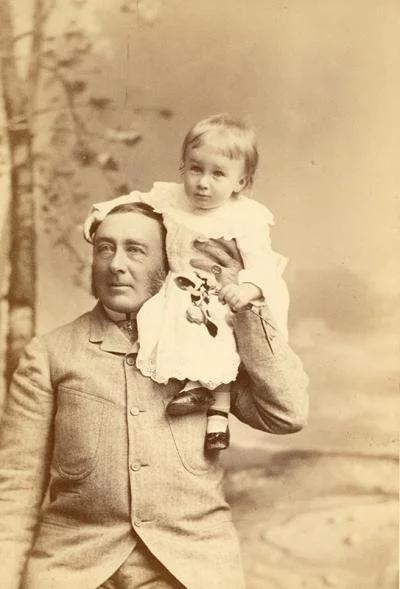
Future president Franklin D. Roosevelt (in a dress) and his father James Roosevelt. FDR is sixteen months old in this photograph. (1883)
Photos from the late 1800s and early 1900s show little boys in elaborate dresses with long curls. Franklin D. Roosevelt wore a dress until he was five. So did Ernest Hemingway.
It was normal. Nobody panicked. Nobody wrote op-eds.
Also, the Little Lord Fauntleroy suit (popular in the 1880s) was a velvet situation with a lace collar and the kind of drama we now reserve for fantasy romance covers. Boys wore it. Fathers bought it. Masculinity survived.
Then mass-market children’s clothing took off, and manufacturers realized something:
If you gender baby clothes, parents can’t reuse hand-me-downs as easily, and you sell more stuff.
The pink-blue divide is even more recent. In the early 20th century, pink was often recommended for boys (a lighter shade of masculine red), and blue for girls (delicate, dainty, associated with the Virgin Mary). One 1918 trade publication literally spelled this out: pink for boys, blue for girls.
The modern “pink for girls, blue for boys” rule didn’t harden until the 1940s–1950s, and by the 1980s it became so entrenched that we forgot it was ever different.
Victorian Crinolines to the 1950s New Look
Once femininity got the job of “looking pretty,” fashion decorated women in ways that were… logistically intense.
The Victorian era (1837-1901) is where a lot of stereotypical hyperfemininity symbols solidified. This when crinolines (enormous cage structures under skirts), tightly-laced corsets and tiny waists became popular. The belief was that women should be pretty, delicate, and immobile.
Then early 20th century women briefly said, “Actually, no.”
The 1920s flapper era adopted looser silhouettes and shorter hems. For a second, it looked like hyperfemininity might get left behind.
And then—like a movie sequel nobody asked for—we got the 1950s New Look.
Christian Dior’s 1947 “New Look” resurrected the hourglass ideal: tiny waists, full skirts, and lingerie-as-architecture. It wasn’t accidental. Women had taken on "masculine" work during the war. Fashion became one way to push women back into traditional feminine roles. Make femininity exaggerated, expensive, and time-consuming, and women won't have time for much else.
And yes, that glossy 1950s “perfect hair, pearls, heels while vacuuming” image still haunts us like a very stylish ghost.
Now that we’ve unpacked what hyperfeminine looks like, we can finally get into the aesthetics taking over your algorithm.
Classic Feminine Glamour
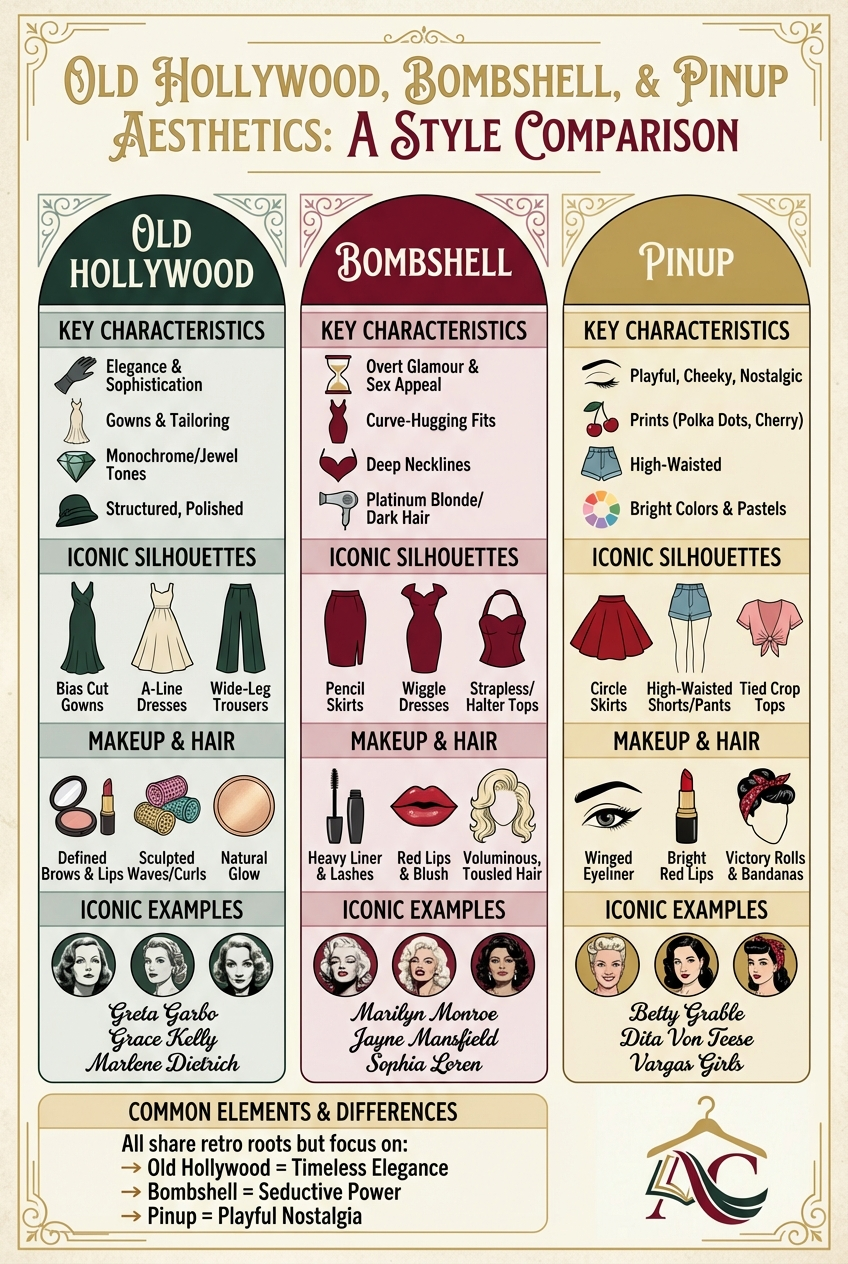
These are the aesthetics with actual historical roots. They predate the algorithm and will probably outlast it (even if the hashtag dies a slow death).
Old Hollywood Aesthetic
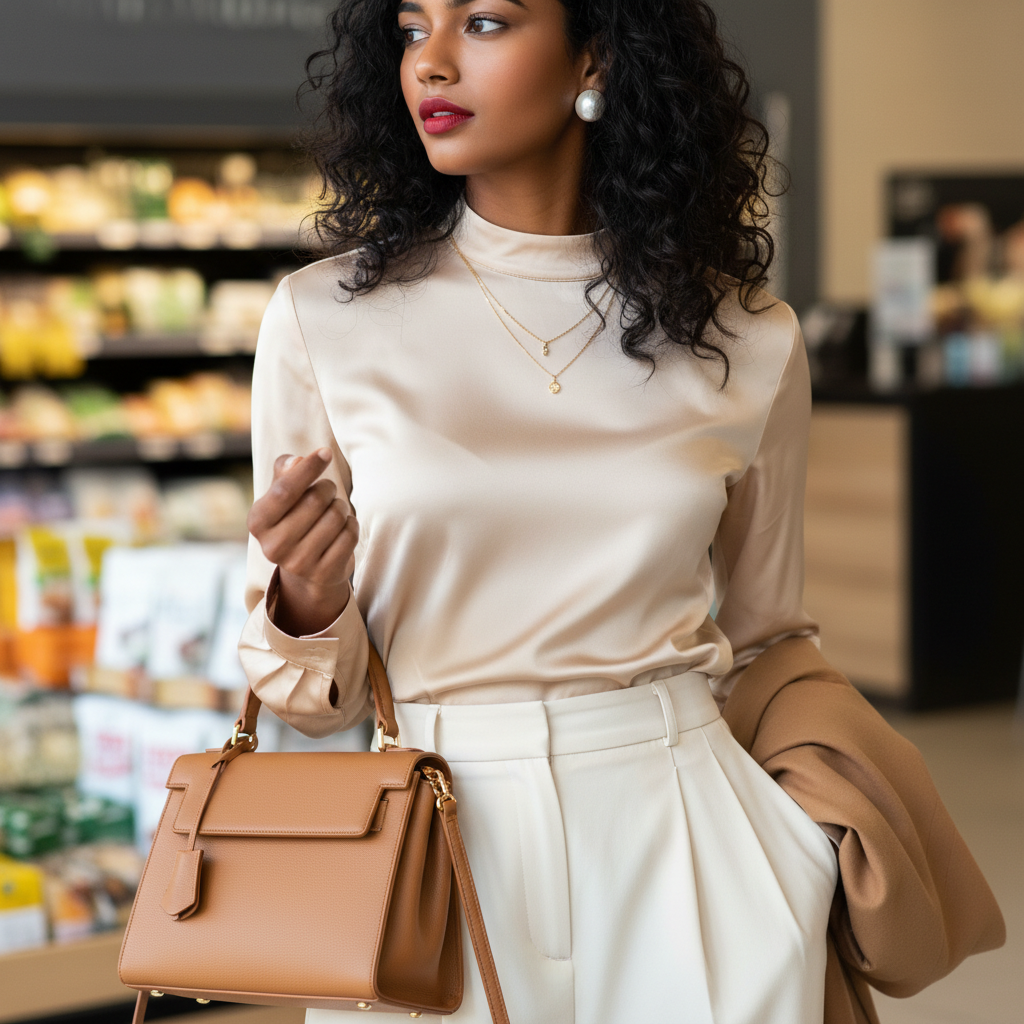
Definition and Cultural Origins (1930s-1950s)
Old Hollywood glamour is what happens when you combine pre-war elegance, early cinema technology, and a studio system built on manufacturing human icons.
The era spans roughly the 1930s through the early 1960s, with the peak in the 1940s–50s. After years of rationing and practical clothing, people wanted luxury. Hollywood sold it.
What makes Old Hollywood distinct from “vintage” is the polish. Refinement. Taste. Elegance implying you own at least one pair of gloves.
The cultural appeal of Old Hollywood glamour is largely nostalgia. Mood boards are allergic to reality.
Key Elements: Silk, Red Lips, Finger Waves
Old Hollywood has a strict visual vocabulary.
Bias-cut gowns (aka: satin nightgown energy) The 1930s gave us the diagonal cut that drapes like liquid.
Tailored suits and coats with nipped waists and defined shoulders
Luxurious fabrics
Silk, satin, velvet, cashmere. Fabric quality matters here most.A conservative palette
Black, white, cream, champagne, jewel tones. No neon. No novelty prints. The drama is in the cut, not the chaos.Signature makeup
Red lips (specifically blue-toned reds that photographed well in black and white), defined brows, winged eyeliner, dramatic lashes.Hair that’s clearly been told to behave
Finger waves, pin curls, victory rolls, sleek chignons. This is not wash-and-go. This is set, pinned, and probably slept on with a scarf.Polished accessories
Gloves, pearls, structured bags, pointed pumps. Essential and always elegant.Deportment
You have to move like you’re being filmed because, historically, you were.
Modern Interpretation and Wearability
Old Hollywood was built for premieres and photos. Most of us dress for Target and an inbox full of demands. So the modern version is about capturing the feeling without committing to a full costume.
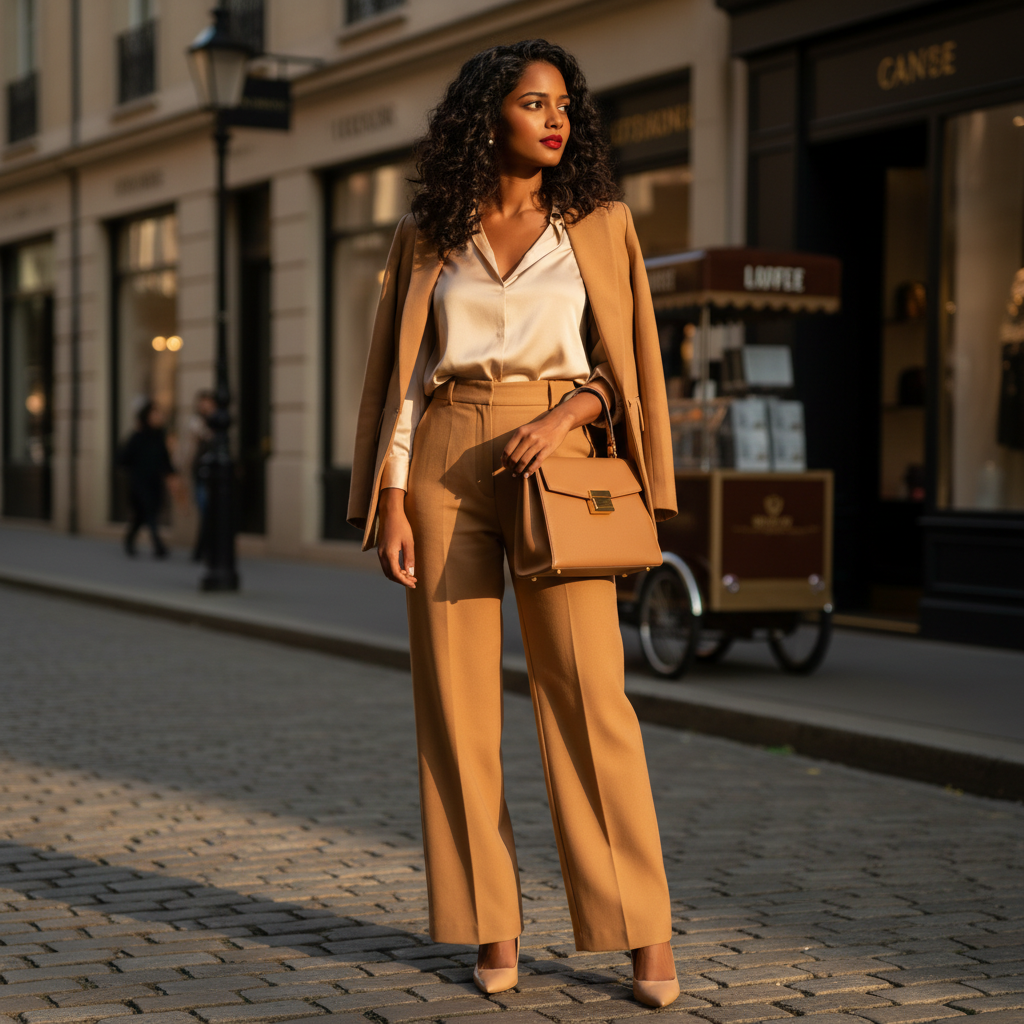
Easy ways to translate it:
A signature red lip
Tailored blazer + high-waisted trousers
Silk/satin blouse + denim
Structured handbag
Classic pumps
Minimal jewelry: pearls, small hoops, delicate gold
Things that go costume fast:
Full bias-cut gown for brunch
Victory rolls at the grocery store
Gloves outside of formal settings
Full girdle-and-stockings foundation garment lifestyle (we have shapewear now—use it wisely)
The rule: pick one or two Old Hollywood cues at a time.
A slip dress + red lip = chic reference.
Add finger waves + gloves + fur stole = you are now in character. Which is fine, but own it.
Icon References: Pick Your Flavor of Glamour
Grace Kelly: icy elegance, restraint, minimalism. The vibe is “I’m too classy to try.”
Ava Gardner: sultry drama, jewel tones, danger. Deliciously risky Old Hollywood
Lauren Bacall: tailored suits, direct gaze, sophistication with bite.
(Also in the orbit: Audrey Hepburn for gamine chic, Rita Hayworth for classic glam, Joan Crawford for shoulder-pad power, Marilyn as the bridge to bombshell.)
Budget Tiers and Shopping Guide
Old Hollywood is one of the pricier aesthetics because so much of it is fabric + fit. But you can still fake the vibe.
Budget ($50–$200 per piece)
Focus: silhouette and polish
Buy: tailored blazer, high-waisted trousers, satin cami, pointed pumps, structured bag
Reality: poly satin will not drape like silk.
Mid-range ($200–$800)
Focus: real silk, tailoring, higher-quality outerwear
Buy: silk blouse, wool blazer, trench, leather pumps, a solid handbag
The sweet spot where the “polish” starts reading as real.
Investment ($800+)
Focus: construction and longevity
Buy: camel coat, tailored suit, cashmere, heirloom-quality bag
The difference is visible. The clothes are built well.
Styling Formula + Outfit Examples
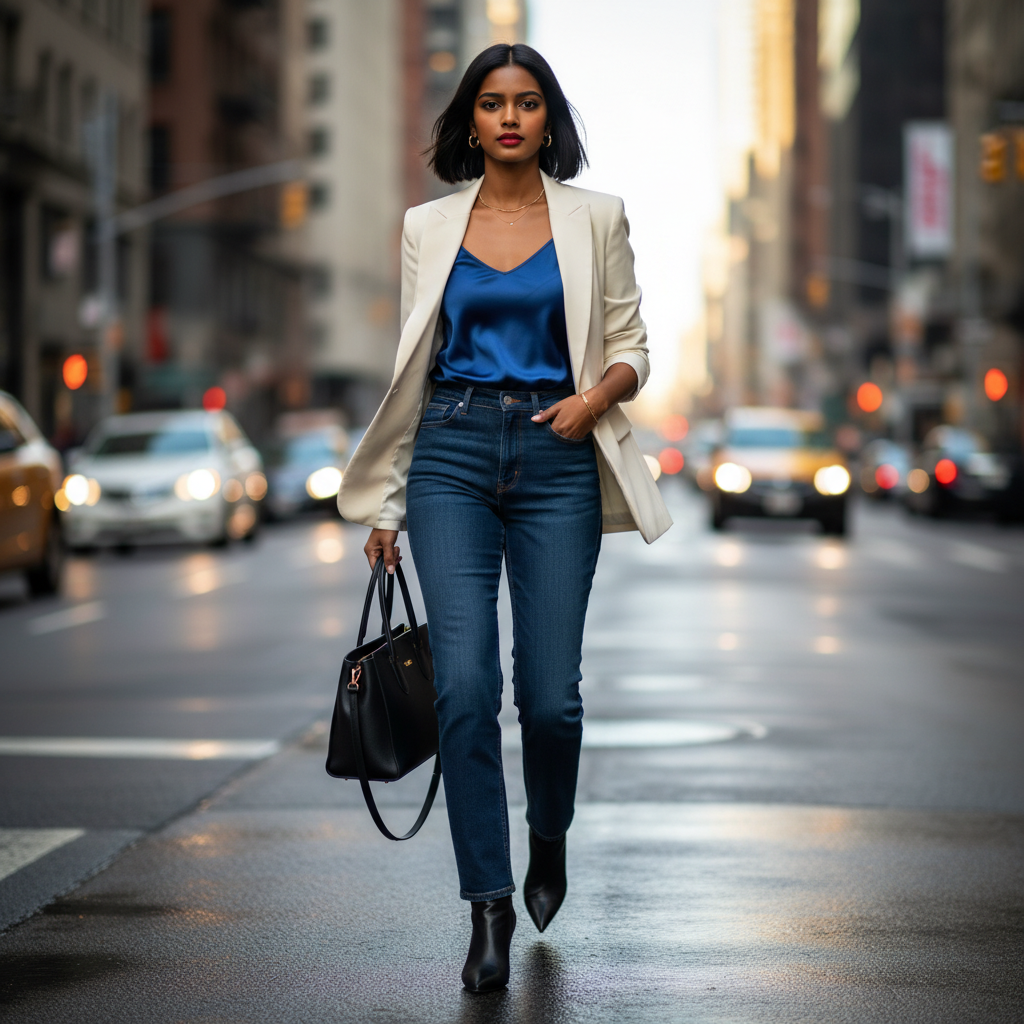
Old Hollywood formula:
Tailored silhouette + luxe texture + polished accessories + intentional makeup/hair = cinematic glamour
Outfit 1: Daytime Elegance
High-waisted trousers + silk blouse + structured bag + pearl studs + sleek hair + red lip
Vibe: “I’m elegant even at the grocery store.”
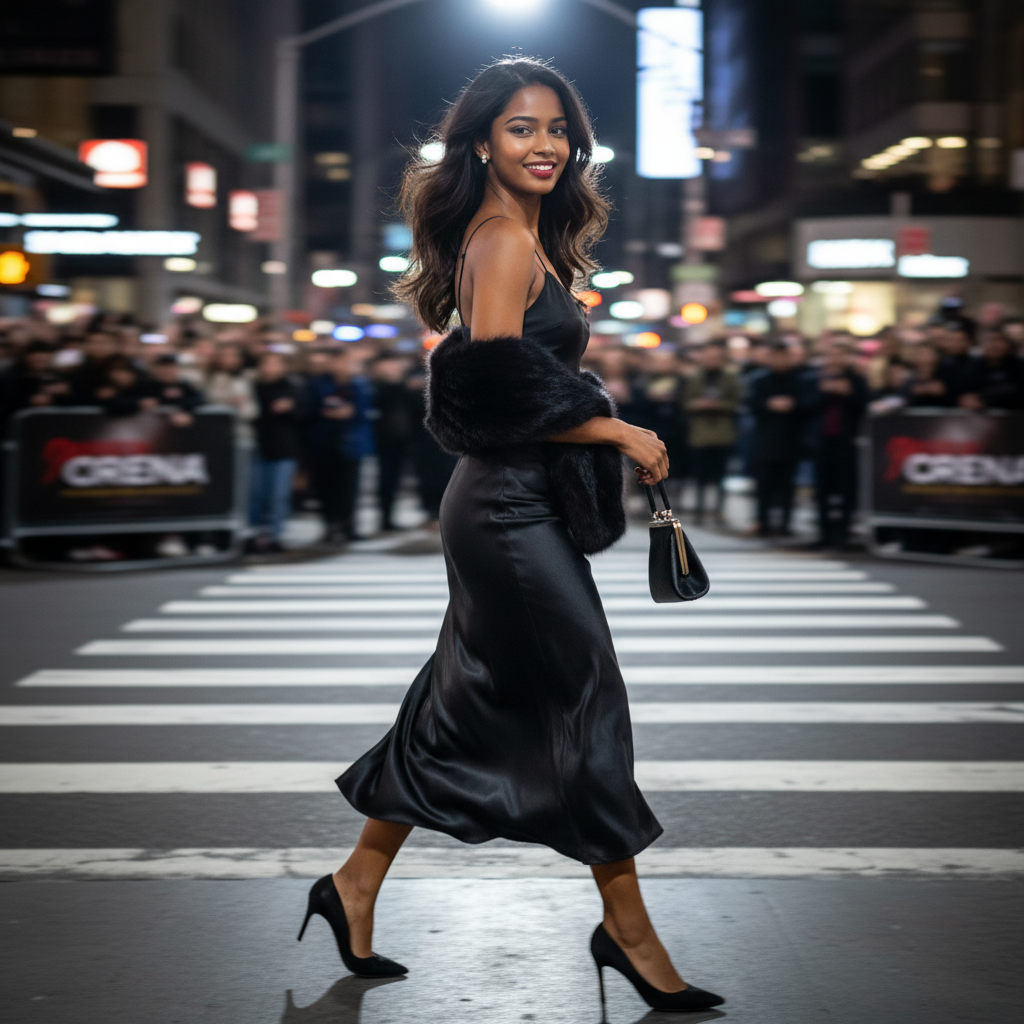
Outfit 2: Evening Drama
Black silk slip dress + simple pumps + vintage-style clutch + crystal studs + waves + red lip
Vibe: Ava Gardner arriving somewhere expensive.
Outfit 3: Modern Translation
Dark straight-leg jeans + satin cami + blazer + loafers/boots + structured bag + sleek hair
Vibe: Old Hollywood, but you have meetings.
Common mistakes:
Going full costume all at once (pick 2-3 signature pieces per outfit)
Cheap fabrics (they don’t drape properly)
Skipping grooming (this aesthetic lives and dies by polish)
Too many statement pieces (refinement is the flex)
Bombshell Aesthetic
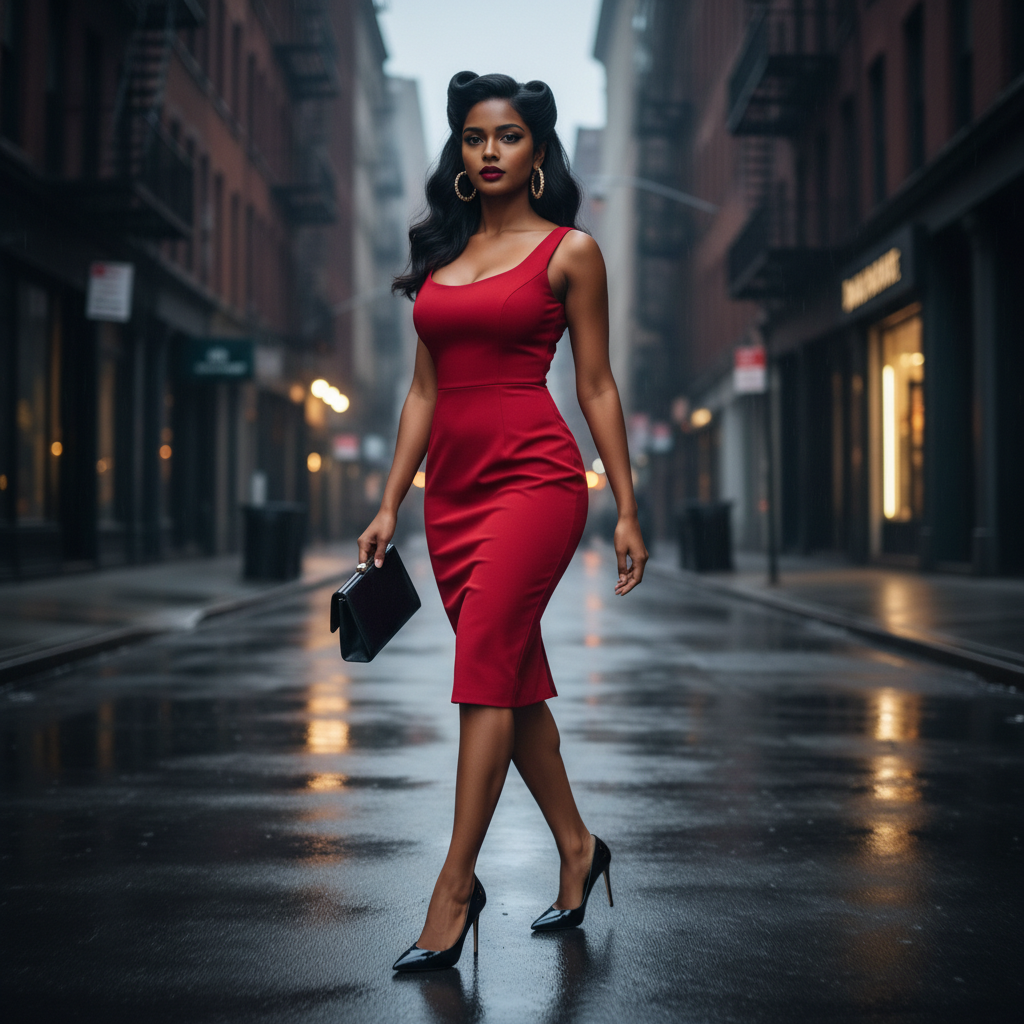
The Confident, Curve-Celebrating Glamour
If Old Hollywood is elegance, bombshell is sex appeal. Marilyn Monroe, Jayne Mansfield, Sophia Loren. Bombshell energy says: Yes, I know you’re looking. That’s the point.
Even the term “bombshell” is telling—military language applied to women, implying both impact and danger. She’s not just pretty; she’s destructive.
Which is why this aesthetic has always been controversial: celebrated as fantasy, “just a pretty face,” and debated by feminists because it’s impossible to separate from the male gaze that built it.
Signature Pieces: Wiggle Dresses, Bullet Bras
Bodycon (Wiggle) dresses: Tight, curve-hugging, pencil silhouette. Designed to accentuate breasts, waist, and hips while restricting movement (hence "wiggle"—you can't take full steps).
Structured undergarments: Bullet bras create a distinctive pointy breast shape, waist cinchers slim the midsection, girdles smooth everything else—“natural” is not the goal
High-waisted everything: Shorts, skirts, pants—all sitting at the natural waist to emphasize the waist-to-hip ratio.
Statement jewelry: Big earrings, chunky bracelets, dramatic necklaces.
Bold colors/prints: Red (obviously), black (for drama), animal prints (leopard, zebra), polka dots, cherries, nautical stripes.
High heels: Pointed-toe pumps, peep-toe heels, T-strap shoes, platforms. High enough to make your legs look longer.
Hair + makeup framing the face: Platinum blonde or dark, dramatic hair (the extremes), victory rolls, big curls, updos showing off the neck and shoulders. Dramatic makeup: red lips, winged liner, false lashes, lots of contour.
Modern Bombshells and Body Positivity
Bombshell is where empowerment and objectification overlap, which is exactly why it’s fascinating.
You can feel powerful and still participate in a beauty standard shaped by male desire. You can dress “for yourself” and still draw from cultural scripts. You can enjoy attention and resent needing it. The contradiction is baked in.
Also: bombshell aesthetics still center a specific hourglass ideal. If you don’t naturally have that silhouette, you’re either engineered into it (shapewear, styling) or pushed to the margins.
No clean answers here. Just… context.
Styling Formula + Outfit Examples
Bombshell formula:
Waist definition + bold color/print + structure + dramatic beauty + confidence = bombshell
Outfit 1: Full Vintage Commitment
Red wiggle dress + black pumps + statement earrings + victory rolls + red lip
Vibe: Marilyn energy.
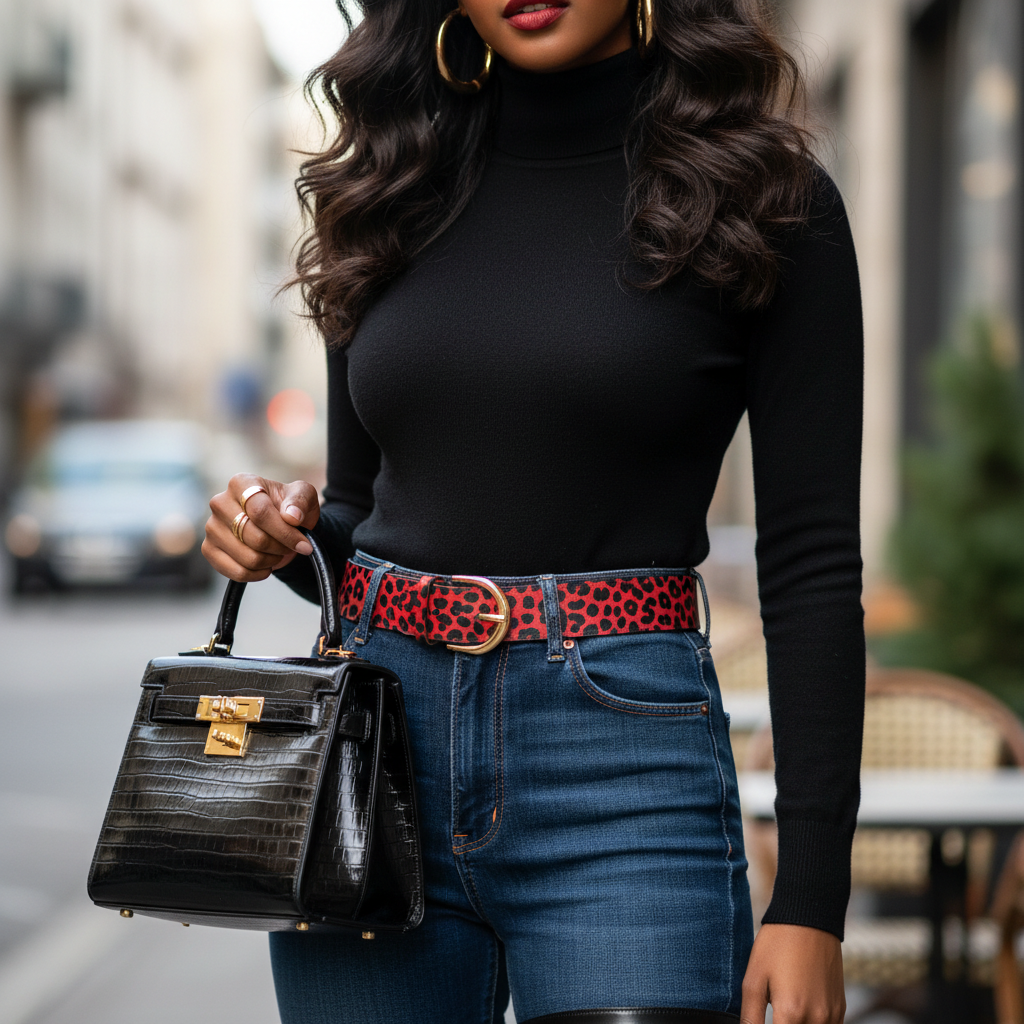
Outfit 2: Modern Bombshell
High-waisted dark jeans + fitted black top + heels/boots + leopard belt + hoops + red lip
Vibe: “I look good and I know it.”
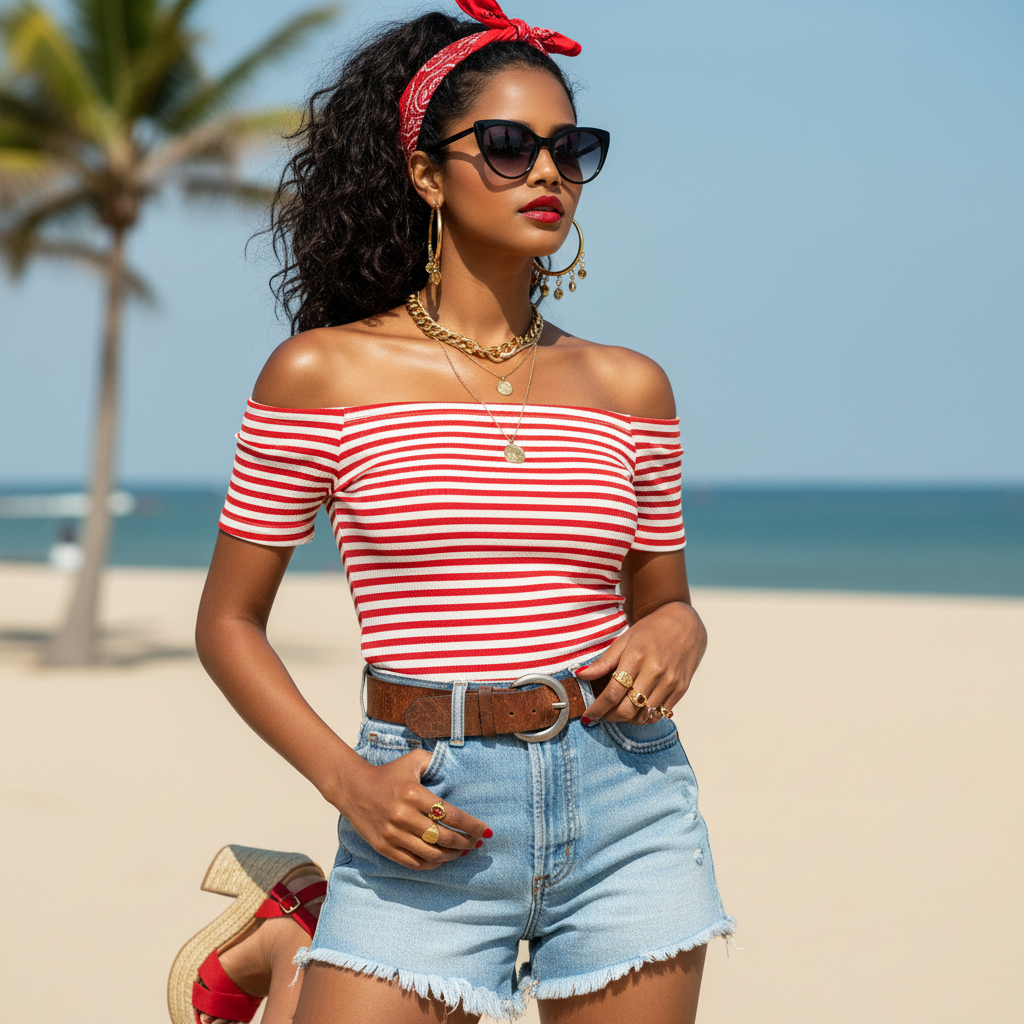
Outfit 3: Summer Bombshell
High-waisted shorts + off-shoulder top + platforms + cat-eye sunnies + bandana + gloss/red lip
Vibe: Pinup-at-the-beach, but make it 2026.
Common mistakes:
Confusing bombshell with “showing the most skin” (it’s silhouette + energy)
Wearing the clothes without the confidence (the attitude is part of the look)
Doing every element at once (you’ll look lost)
Expecting the silhouette without structure (this aesthetic is engineered)
Pinup Aesthetic
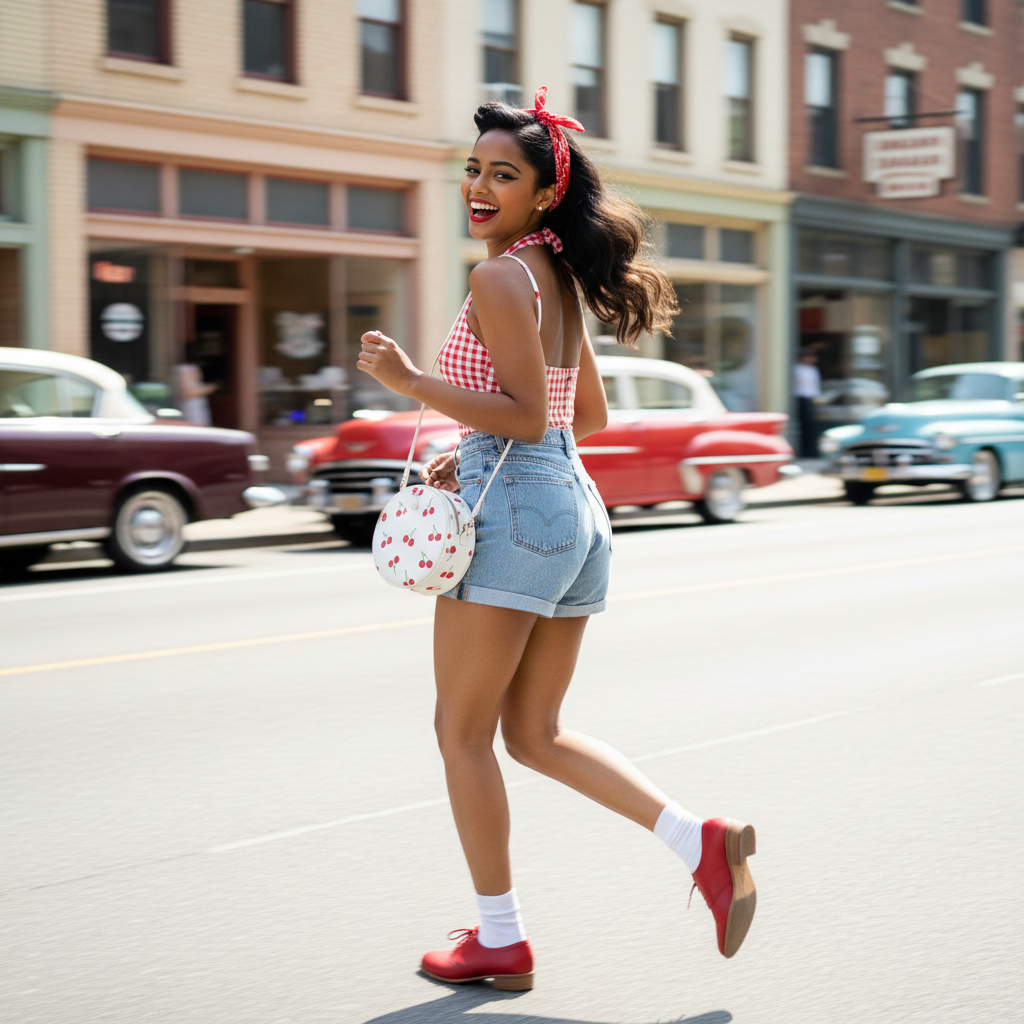
Vintage Sex Appeal With a Wink
If bombshell is commanding, pinup is playful. It comes from the tradition of images meant to be pinned up—WWII nose art, calendar girls, Vargas illustrations. Pinup is sexy, but it’s also bright, cheeky, and contradictory: wholesome styling with flirtatious intent.
Modern pinup culture has tried to reclaim pinup from male fantasy and make it about confidence.
The vibe is “sexy, but make it fun.”
Key Pieces: High-Waisted Shorts, Polka Dots
High-waisted shorts/skirts/jeans
Halter tops, bandeaus, fitted knits
Novelty prints: cherries, polka dots, gingham, nautical stripes, anchors
Vintage swimwear cuts
Bandanas, cat-eye sunglasses, Mary Janes/saddle shoes
Vintage hair + makeup (especially red lip + liner)
Modern add-on: tattoos (not historically common, but now part of the scene)
The Rockabilly Crossover
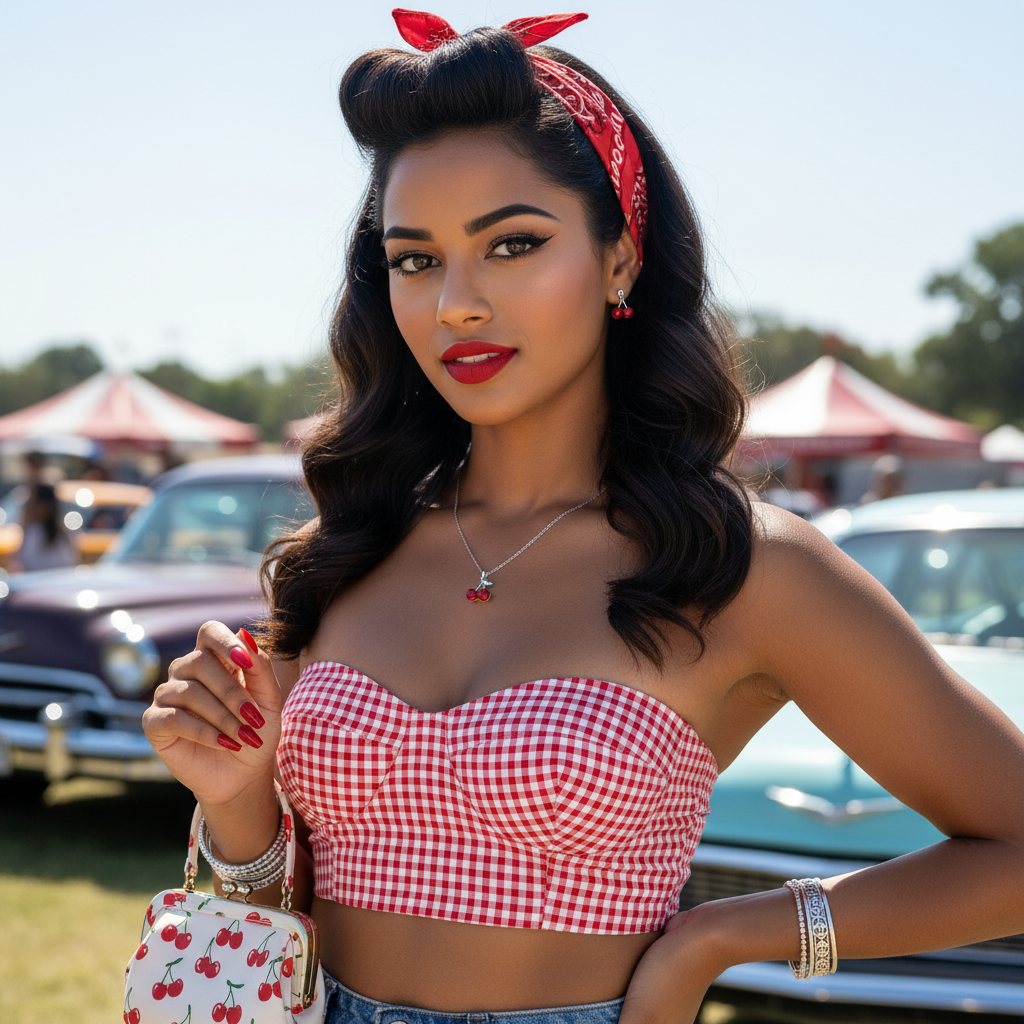
Pinup and rockabilly are basically in a long-term relationship at this point. Rockabilly needed a feminine counterpart to the greaser style, pinup fit perfectly, and now they’re basically a matching set.
Pinup can exist without rockabilly. Rockabilly often comes with more hot rod culture, tattoos, leather jackets, and punk edge. But the overlap is massive.
Styling Formula + Outfit Examples
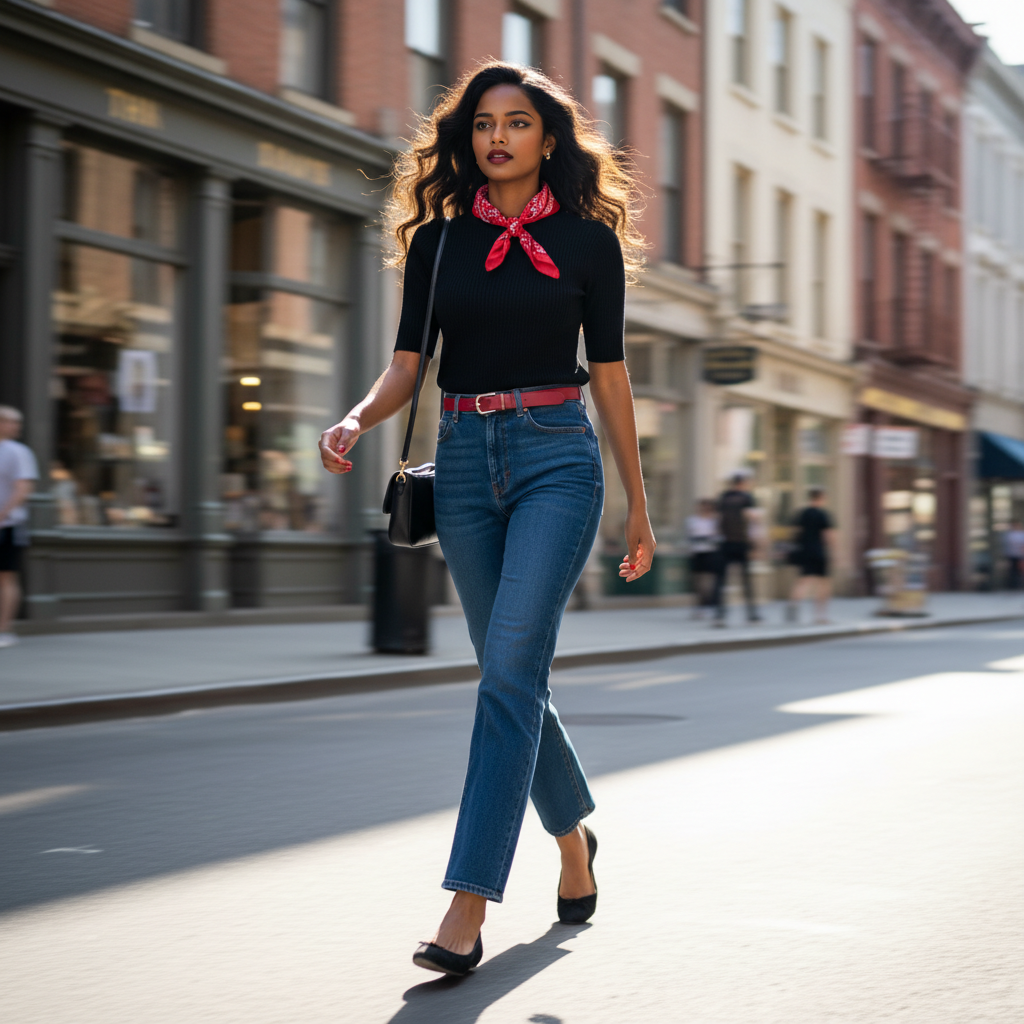
Pinup formula:
High-waisted bottom + fitted top + playful print/detail + vintage beauty cues + cheeky confidence
Outfit 1: Classic Pinup (Full Look)
Cuffed high-waisted shorts + gingham halter + bandana + sneakers/saddle shoes + red lip
Vibe: “I belong in a vintage calendar, but make it cute.”
Outfit 2: Everyday Pinup
High-waisted jeans + fitted tee + scarf detail + flats/sneakers + red lip
Vibe: retro without looking like you’re headed to a themed event.
Outfit 3: Beach Pinup
High-waisted bikini + shorts + cat-eye sunnies + bandana + tinted balm
Vibe: vintage pool party fantasy.
Common mistakes:
Confusing pinup with “1950s housewife” (overlap, but not identical)
Skipping hair/makeup (pinup needs the beauty cues)
Going full reproduction for daily errands (unless you live in that world)
Forgetting the wink (pinup is playful; the attitude matters)
Romantic Femininity
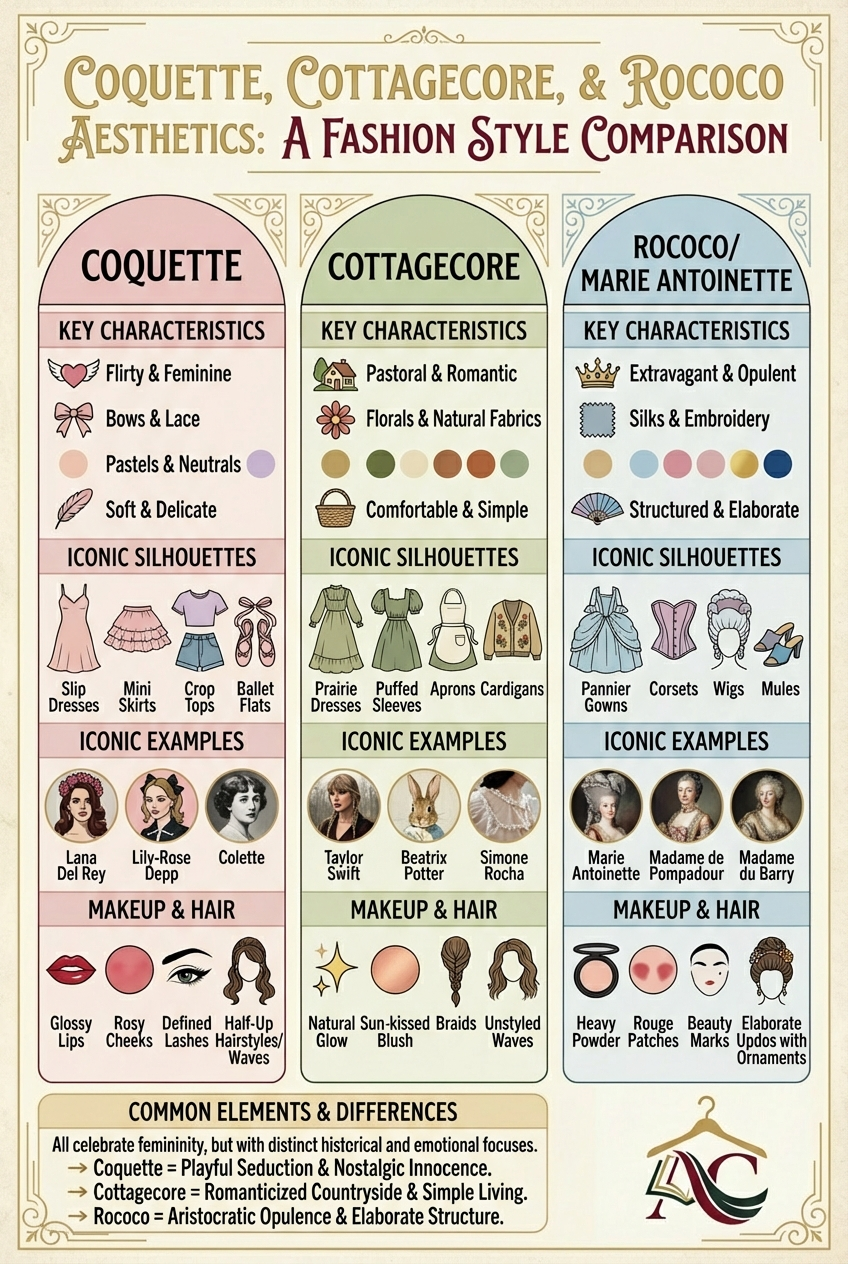
If Classic Feminine Glamour is about being looked at, Romantic Femininity is about fantasy.
It’s not just “cute outfits.” It’s world-building.
Coquette is innocence with a soundtrack.
Cottagecore is“what if capitalism didn’t exist and I had a sourdough starter that loved me.”
Rococo is full-on Versailles cosplay, minus the guillotine (ideally).
Basically: femininity as immersive theater. The clothes are the costume. The character is you, but in a prettier fantasy setting.
Coquette Aesthetic
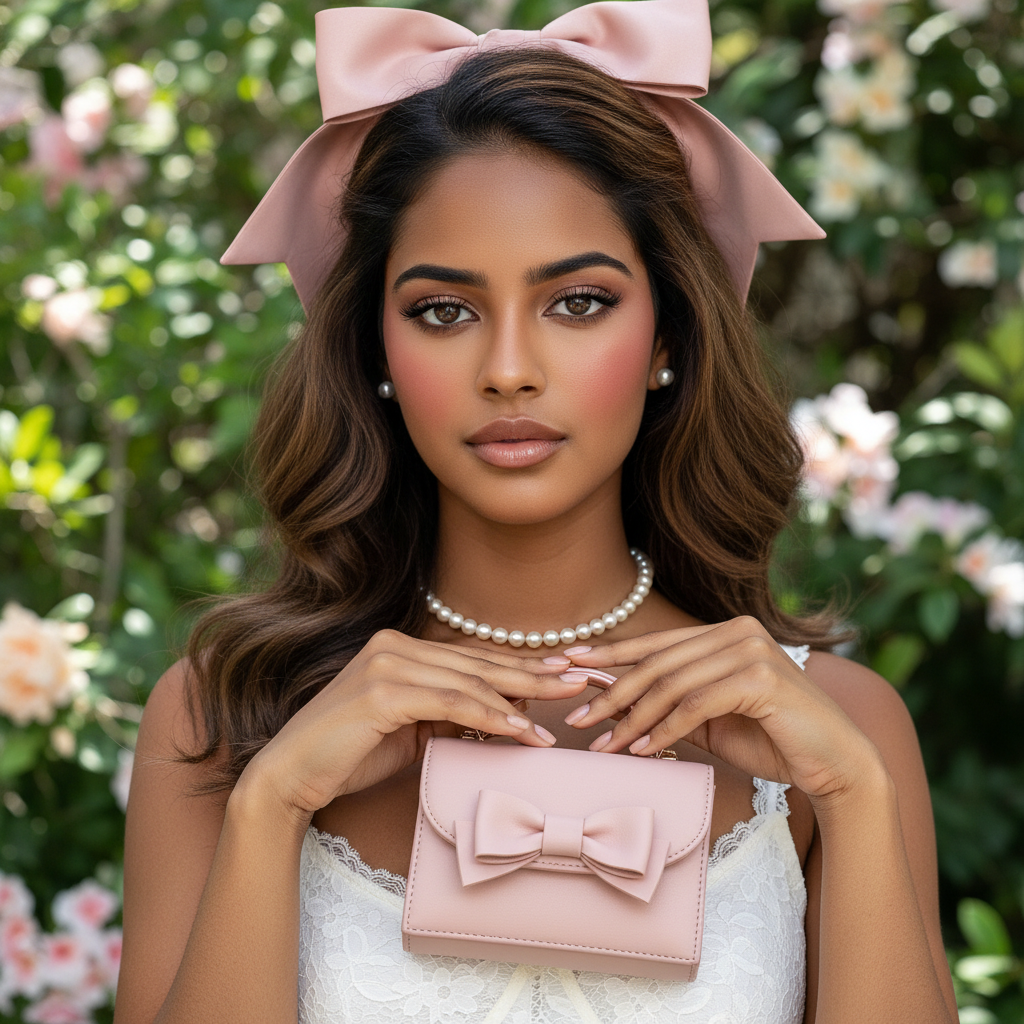
Coquette is the internet’s favorite argument.
The word comes from the French for flirt. A coquette is playing a game, and she knows it.
At its simplest, coquette is performative innocence.
It’s girlish on purpose. And it usually says, yes, I know I’m doing a bit.
Key Elements
Palette: white, cream, blush, baby pink, powder blue, lavender
Bows: hair bows, neck bows, shoe bows, bonus bow for emotional support
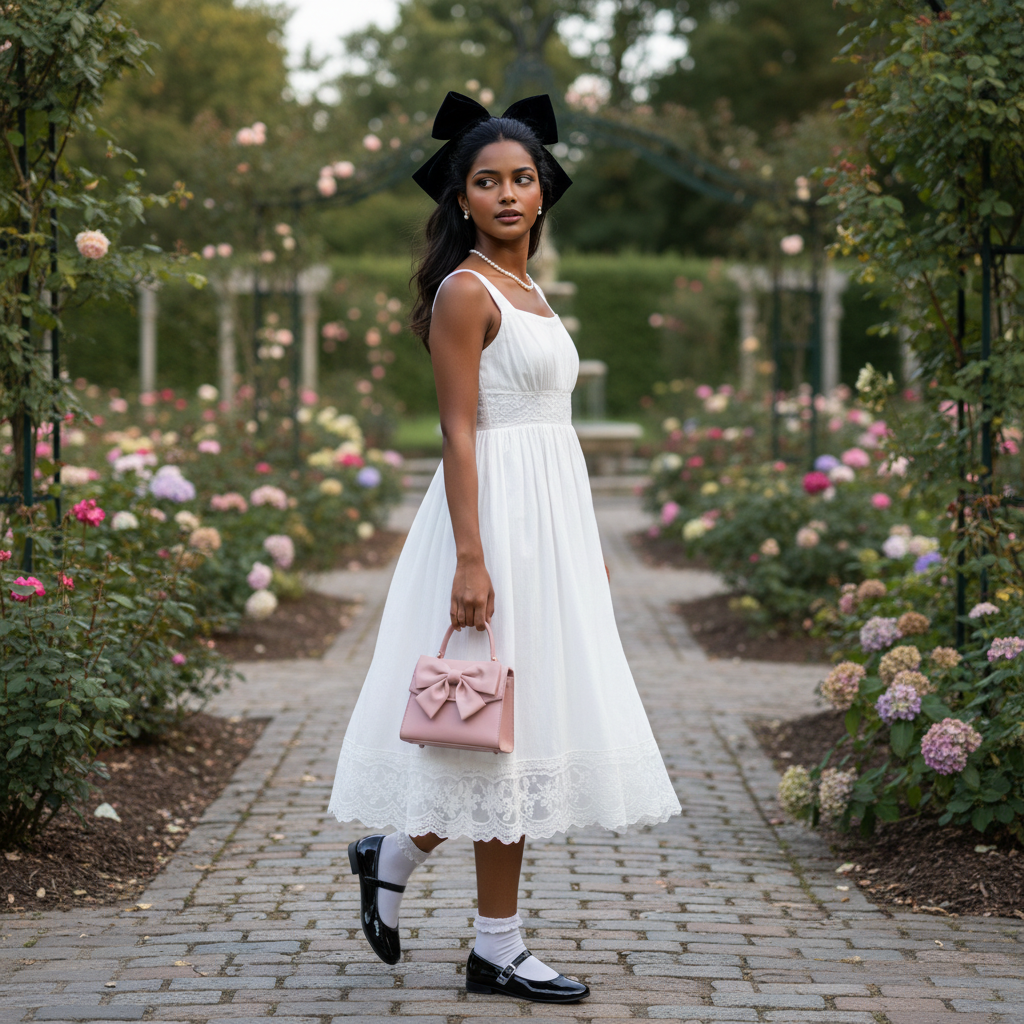
Silhouettes: babydoll dresses, A-line midis, slip dresses, lace-trimmed everything
Shoes: Mary Janes, ballet flats, kitten heels
Jewelry: pearls, lockets, delicate gold chains
Beauty: heavy blush, glossy lips, doe eyes, dewy skin
Hair: loose waves, half-up with ribbon, soft, low buns or braids
It’s very pretty…and complicated.
Lana Del Rey, Lolita Aesthetics, and the Controversy
You can’t talk coquette without acknowledging the cultural references—especially Lana Del Rey. Her early work established the template coquette draws from.
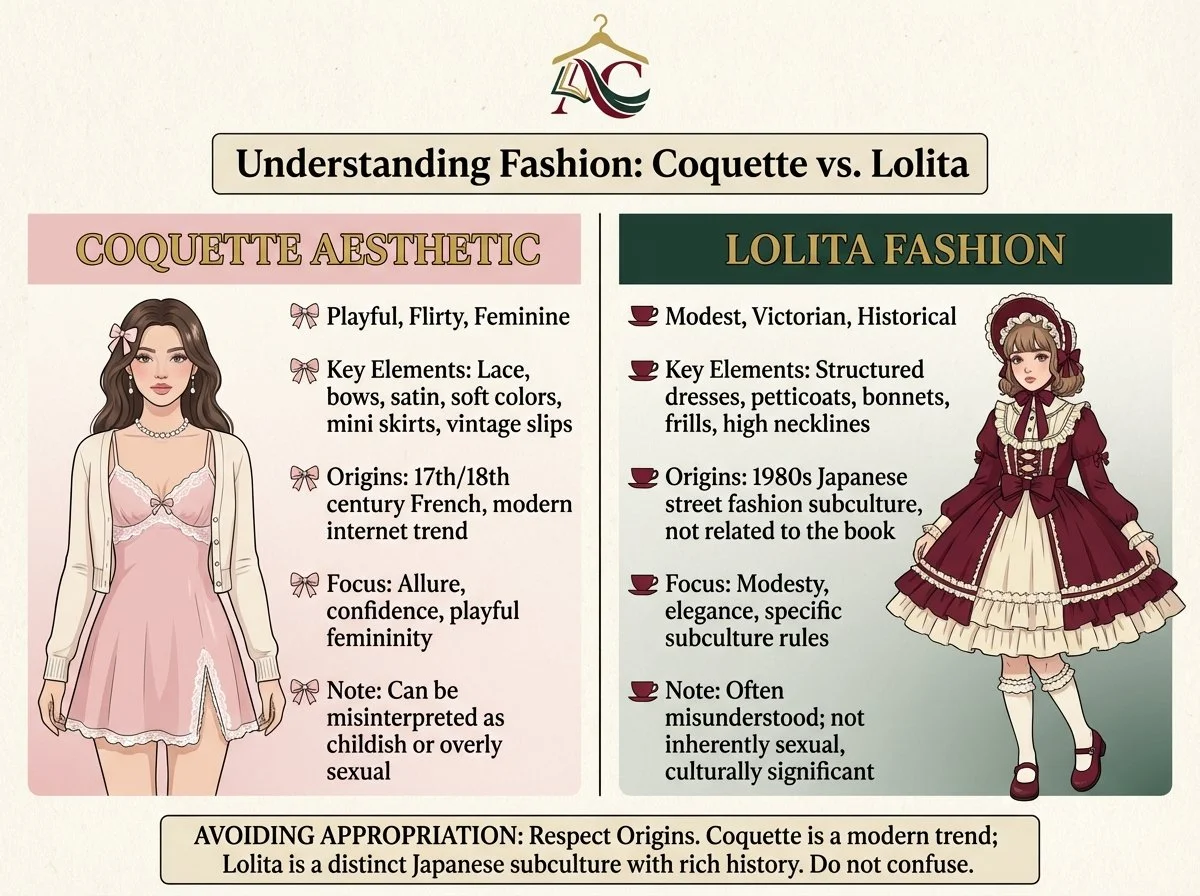
A more uncomfortable reference point is the Lolita aesthetic—specifically, Japanese Lolita fashion versus the Western internet's misappropriation of the term "Lolita," which conflates the fashion subculture with the disturbing subject matter of Nabokov's novel. (You can’t even Google the term without drifting into questionable territory)
Some corners of coquette content slide into romanticizing power imbalances and infantilized femininity in a way that’s… not subtle.
So yes:
Coquette can reclaim girlhood.
Coquette can be an aesthetic play.
Coquette can also veer into “why are we romanticizing this?” territory.
All of this can be true at once. Welcome to the internet.
How to Do Coquette Without Getting Weird About It
You can absolutely wear Coquette without the questionable narratives.
Here’s the cheat code:
Dress like an adult who likes pretty things. Not like you’re auditioning for “Victorian Doll: The Movie.”
Keep the references fashion-based, not literature-based. Vintage fashion, French New Wave films, Japanese Lolita fashion, cottagecore crossover—fine.
Curate your feed. If your algorithm is serving you “innocence + older men + power imbalance” content, that’s a sign to start blocking like it’s cardio.
Styling Formula + 3 Outfit Examples
The Coquette Formula
Soft pale colors + a bow + something delicate (lace/eyelet/satin) + Mary Janes or ballet flats + pearls + rosy, doe-eyed makeup + romantic hair.
Outfit 1: Classic Coquette (Full Commitment)
White/blush babydoll or lace-trim midi dress
Big satin/velvet hair bow
Mary Jane flats (black or blush) + optional sheer socks
Pearls (necklace or studs)
Small structured bag (bonus points if it has a bow)
Beauty: heavy blush, gloss, mascara, dewy skin
Vibe: Lana-adjacent garden-party doll
Wear it: brunch, weekend plans, anywhere whimsical enough to justify the bow
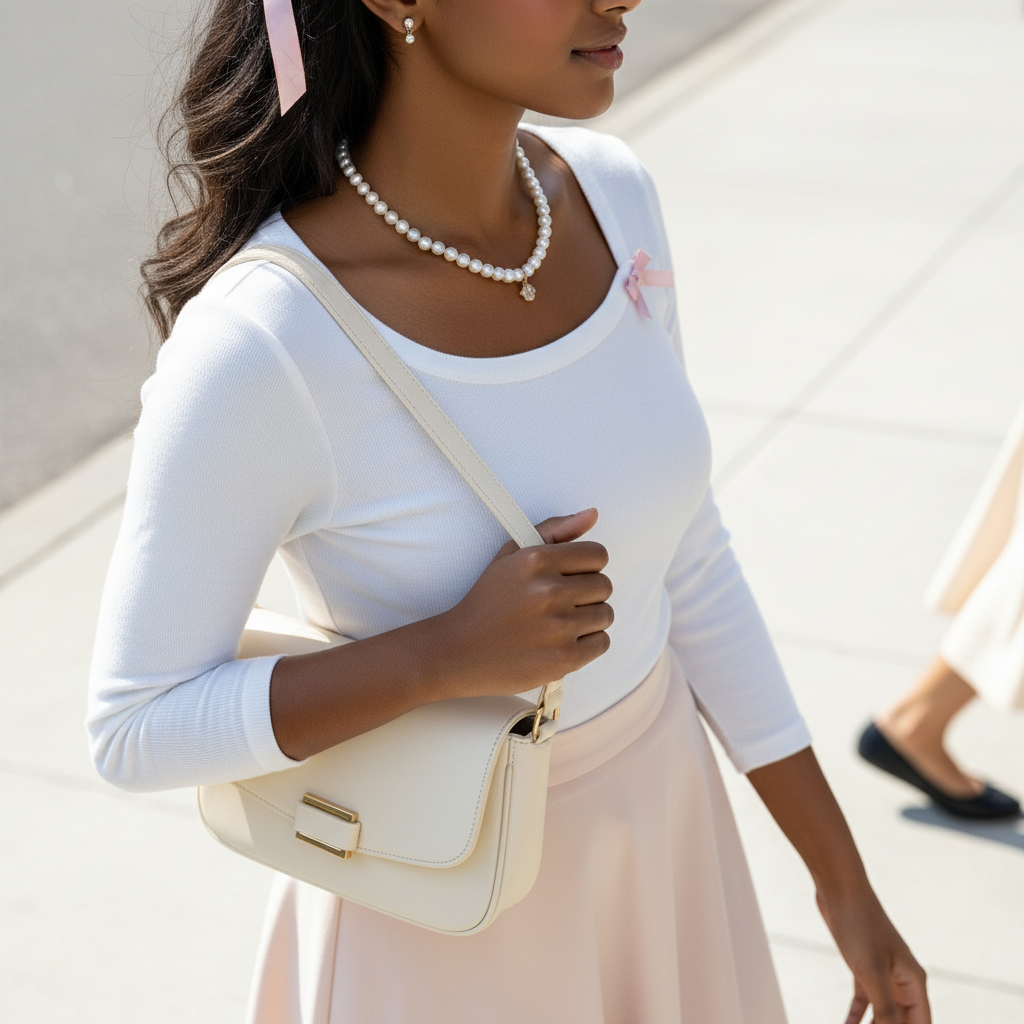
Outfit 2: Everyday Coquette (But Make It Real Life)
Cream/blush A-line midi skirt
White fitted top (tiny bow detail if possible)
Small ribbon in hair (no need to go full pageant)
Black ballet flats
Simple pearls + crossbody bag
Beauty: light blush, tinted gloss, mascara
Vibe: “Yes, I have errands. Yes, I’m still wearing a ribbon.”
Wear it: errands, casual hangs, work (if your office won’t act brand-new about it)
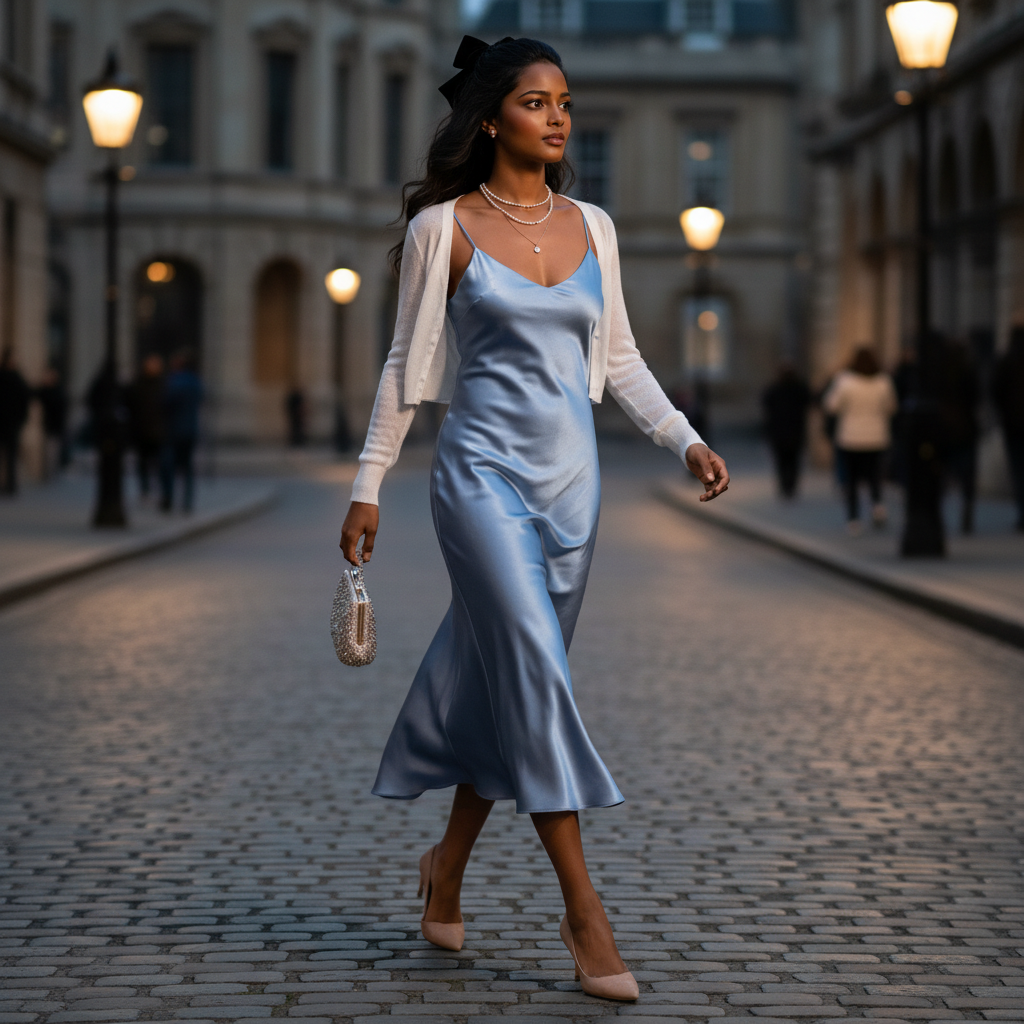
Outfit 3: Coquette Evening (Soft, Satin, Slightly Dramatic)
Satin slip dress (champagne/blush/powder blue)
Velvet bow or ribbon headband
Pointed-toe heels (kitten heel if you want maximum coquette energy)
Layered delicate necklaces (pearl + gold)
Small evening bag + optional sheer cardigan
Beauty: heavier blush, glossy pink/red lip, mascara, slightly “glassy” eye
Vibe: dreamy, romantic, a little melancholy on purpose
Wear it: dates, dinners, evening events where you want to look ethereal (and mildly unapproachable)
Cottagecore
Pastoral Fantasies and Laura Ashley Nostalgia
Cottagecore convinced millions of people that they want to live in a cottage, bake bread, and harvest herbs.
At its core, cottagecore is pastoral escapism: a romantic rural fantasy where domestic labor is charming instead of exhausting, and the biggest problem is whether your roses are thriving.
Laura Ashley deserves credit as the original cottagecore prophet. In the 1970s and 1980s, Ashley built an empire on sprigged floral prints, Victorian-inspired prairie dresses, and puffed sleeves. Her stores sold not just clothes but a lifestyle fantasy. Sound familiar?
The brand collapsed in the 1990s when minimalism and power dressing took over, but the aesthetic never died. It just waited for the internet to give it a new name.
What makes cottagecore distinct is the completeness of the fantasy. Natural light, wildflowers, herb gardens. It's domesticity repackaged as romance.
Key Elements
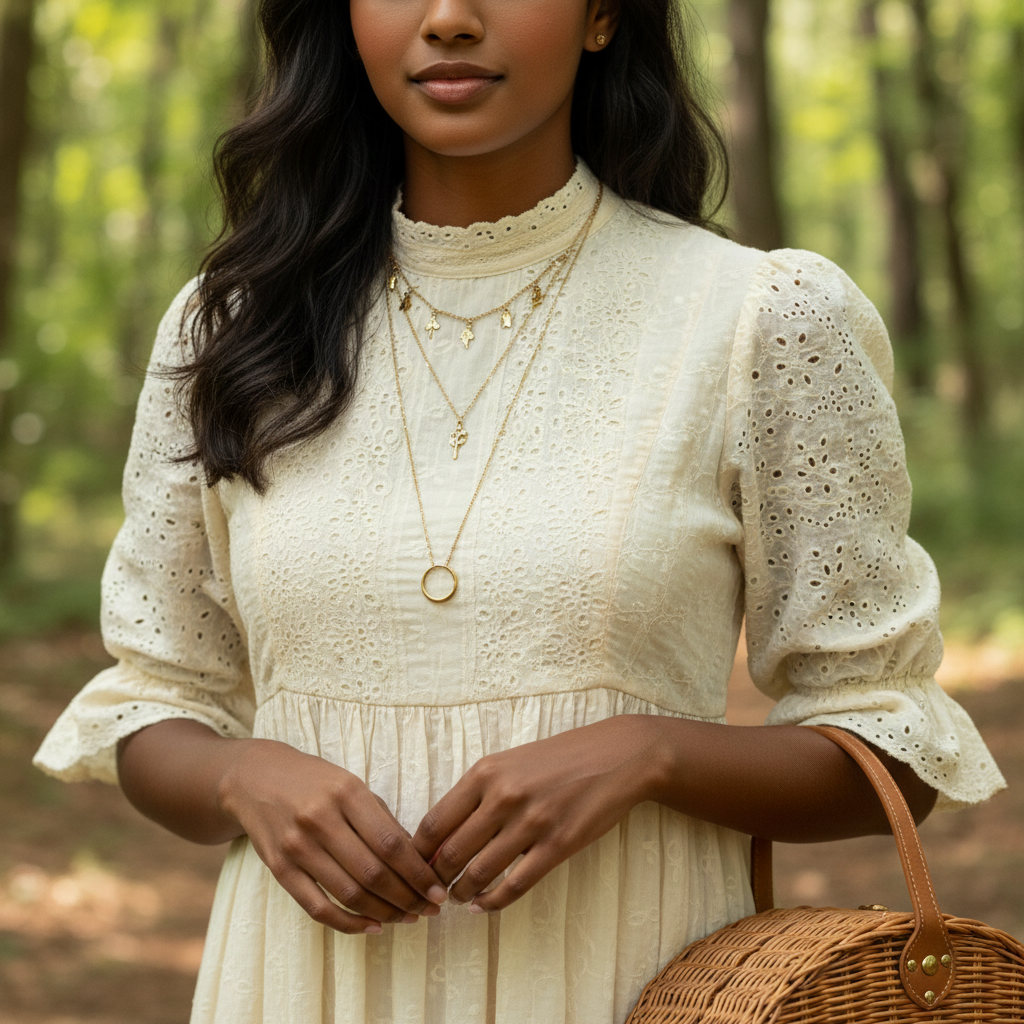
Prairie dresses: midi or maxi, puff sleeves, fitted bodice + full skirt
Ditsy florals: small, scattered vintage-style prints
Natural fibers: cotton, linen, wool (ideally not polyester pretending)
Aprons/pinafores: layering as lifestyle signal
Cardigans: chunky, hand-knit, “found in a trunk” energy
Shoes: lace-up boots, Mary Janes, clogs, Birks
Accessories: wicker baskets (non-negotiable), straw hats, vintage brooches
Hair: braids, loose waves, effortless natural texture
Sustainability Angle (When It’s Real)
The aesthetic can align with sustainability—but it’s not automatic.
Cottagecore can easily become “fast fashion prairie dress shipped overnight.” The aesthetic is wholesome. The supply chain often isn’t.
Natural fibers over synthetics: Cotton, linen, and wool are more biodegradable than polyester.
Vintage and secondhand shopping: Extend the life of existing garments instead of creating demand for new production.
Visible mending and repair: Sewing patches, darning, mending rather than discarding.
Making your own: If you're knitting, sewing, or embroidering your clothes, you understand the labor that goes into garments in a way that fast fashion shoppers don't.
Buying less, choosing better: The cottagecore philosophy of slow consumption is more sustainable than trend-chasing.
The less sustainable reality:
Cottagecore fast fashion: When brands like Shein and Fashion Nova started making $15 prairie dresses in polyester, the aesthetic separated from its sustainability philosophy.
"Natural fiber" greenwashing: Conventionally grown cotton is extremely pesticide and water-intensive.
Thrift store overcrowding: Interest in vintage cottagecore pieces drove up secondhand prices and reduced availability for people who shop vintage out of necessity.
The aesthetic of sustainability vs. the practice: You can curate a cottagecore Instagram that looks sustainable without making any sustainable choices. A posed photo with a wicker basket and a vintage dress doesn't tell us anything about actual consumption.
Sustainable cottagecore is possible. Performative cottagecore is just another fast fashion trend.
Styling Formula + 3 Outfit Examples
The Cottagecore Formula:
Natural fiber garment + romantic detail + practical footwear + handcrafted accessory + natural hair.
Outfit 1: Full Cottagecore
White prairie dress
Wicker basket
Brown lace-up boots
Milkmaid braids
Minimal makeup
Vibe: foraging but make it chic
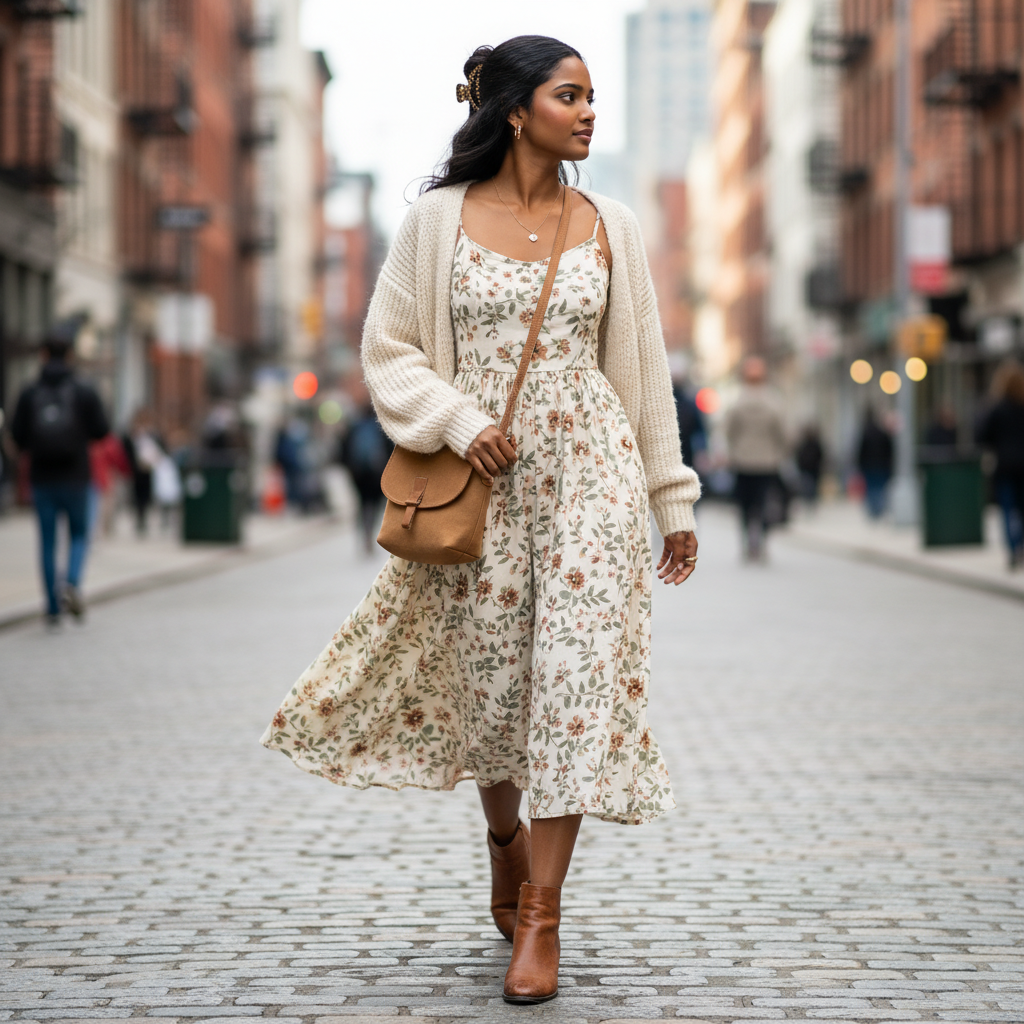
Outfit 2: Urban Cottagecore
Ditsy floral midi dress
Cream cardigan
Ankle boots
Simple vintage jewelry
Half-up hair
Vibe: city girl with countryside delusions (respectfully)
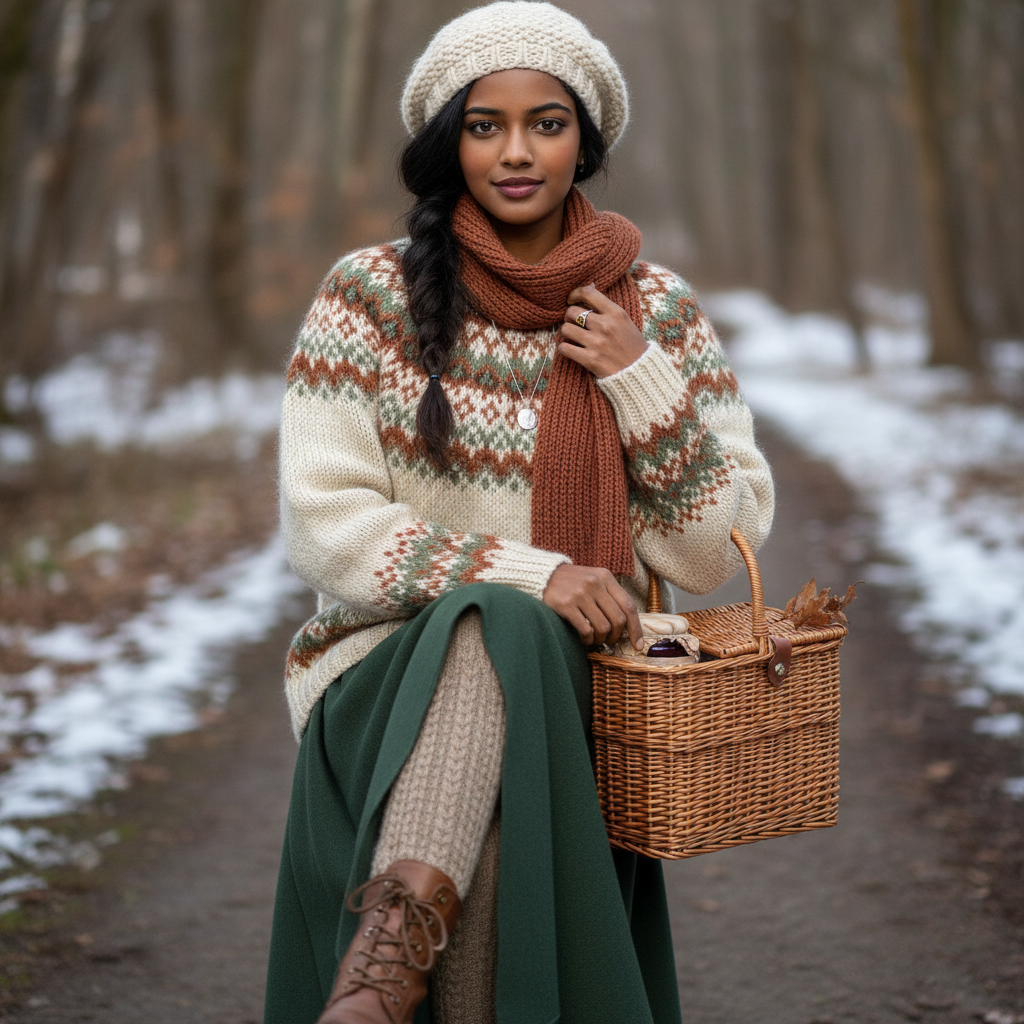
Outfit 3: Cottagecore Winter
Chunky knit sweater
Long wool skirt
Tights + boots
Wool coat or cape
Braid + berry lip
Vibe: writing letters by candlelight
Rococo / Marie Antoinette
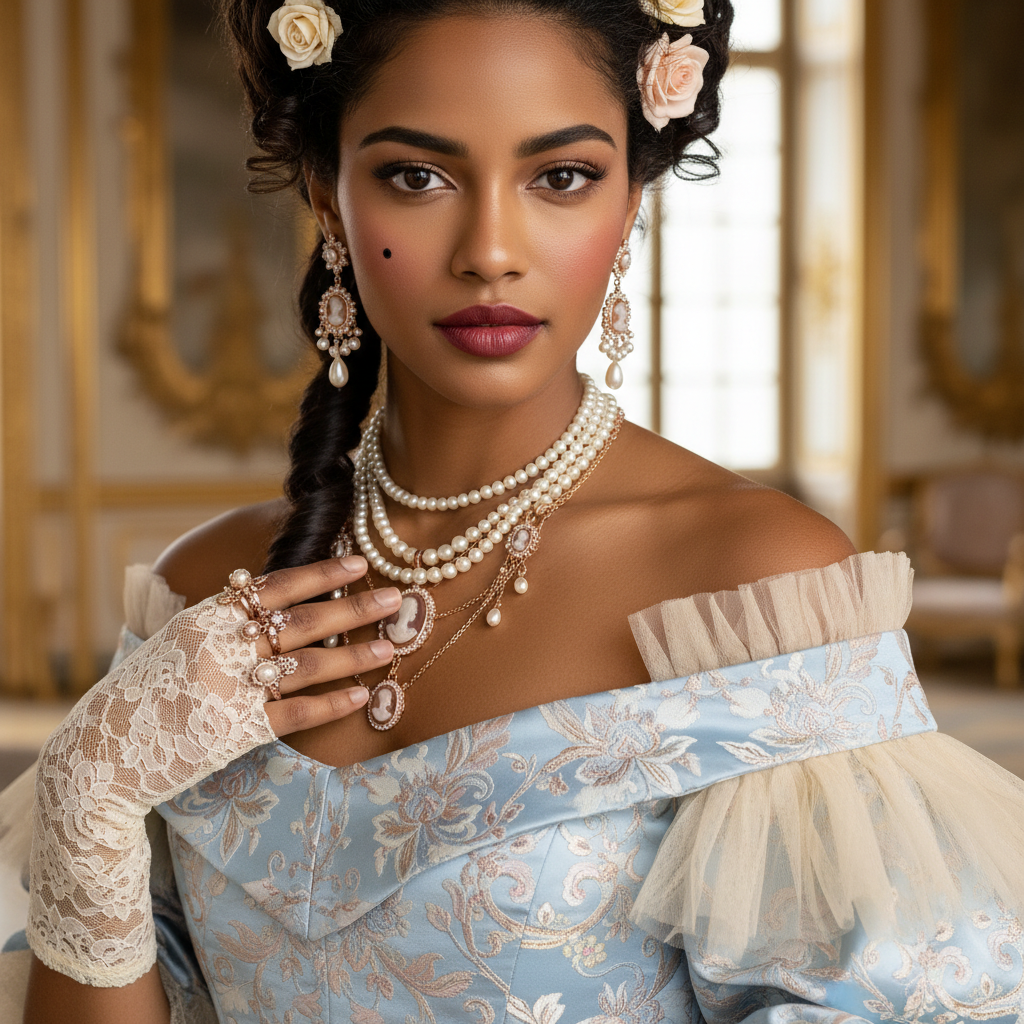
Let Them Wear Pink: Historical Opulence
Rococo is for people who look at coquette and think, needs more drama.
Of all the aesthetics in this guide, Rococo is the one requiring the most historical knowledge and commitment.
The Rococo period (roughly 1715-1789, before the Revolution literally ended the party) was characterized by the philosophy of more is more. A court dress at Versailles could weigh forty pounds, require a team of dressmakers to construct, and cost the equivalent of a small house. It was fashion as power, as wealth display, as political theater.
Marie Antoinette, specifically, has become the patron saint of this aesthetic. She didn't actually say "let them eat cake" but did commission hats shaped like warships and spend France's treasury on her wardrobe, which history has judged both harshly and, aesthetically, reasonably.
Important note: full Rococo is basically a costume. And that’s fine. Not every aesthetic needs to be wearable to Trader Joe’s.
Key Elements
Pastels: powder pink, baby blue, mint, pale yellow
Ornate fabrics: brocade, jacquard, embroidery
Puff sleeves: dramatic, exaggerated
Ribbons + roses: everywhere
Jewelry: pearls, cameos, gold accents
Hair: elaborate updos, soft height, decorative elements
Wearable Rococo rule: pick 1–2 Rococo elements and let them do the work.
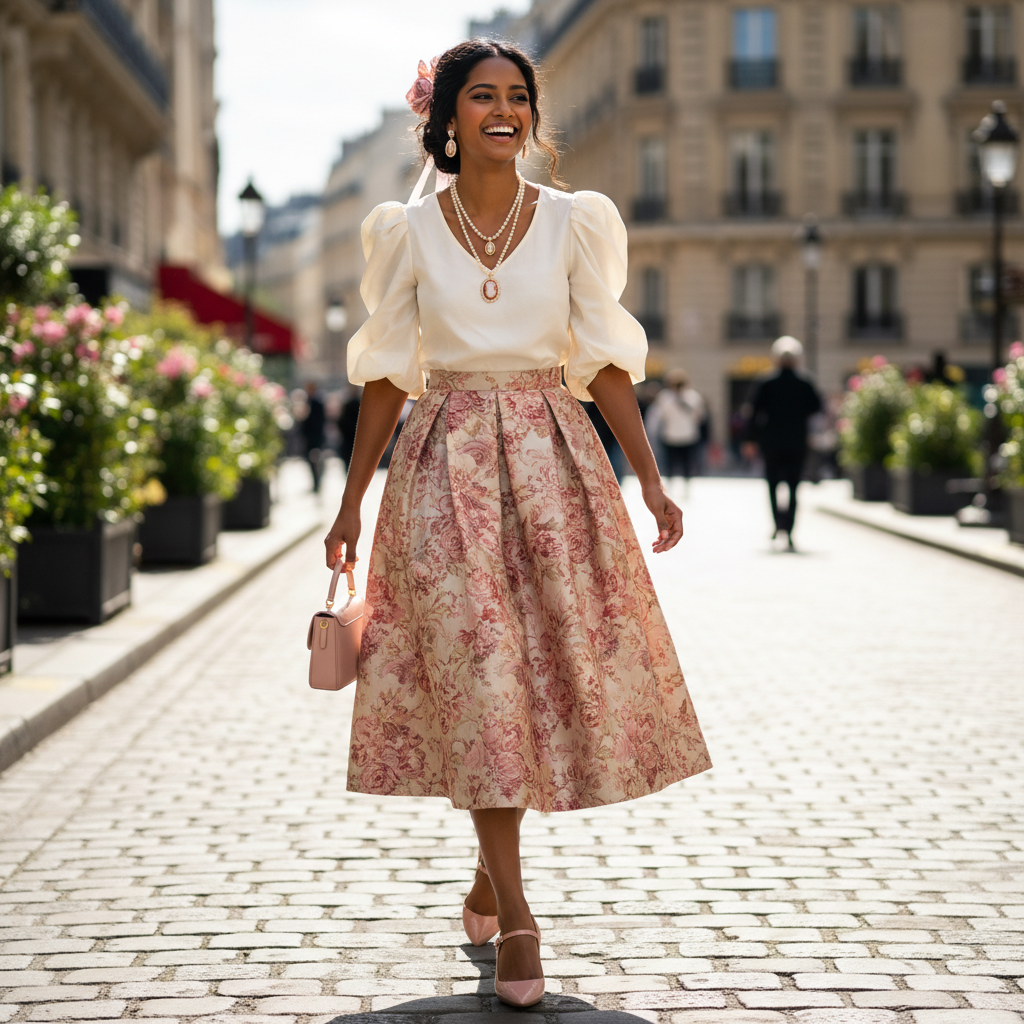
Example: puff-sleeve blouse + jeans. Brocade skirt + simple top. A ridiculous hair accessory + otherwise normal outfit.
Full Rococo is for photoshoots, themed events, and your personal “I’m the main character of Versailles” moment.
Styling Formula + 3 Outfit Examples
The Rococo Formula:
Soft pastel + ornate fabric + dramatic silhouette detail + pearls/gold + theatrical confidence.
Outfit 1: Full Rococo Fantasy
Pink brocade gown or full midi skirt
Puff sleeves
Pearls layered
Silk roses in hair
Vibe: Versailles, but self-aware
Outfit 2: Wearable Rococo
Blush brocade skirt
Cream puff-sleeve blouse
Mary Janes or kitten heels
Cameo earrings
Vibe: garden party in Paris
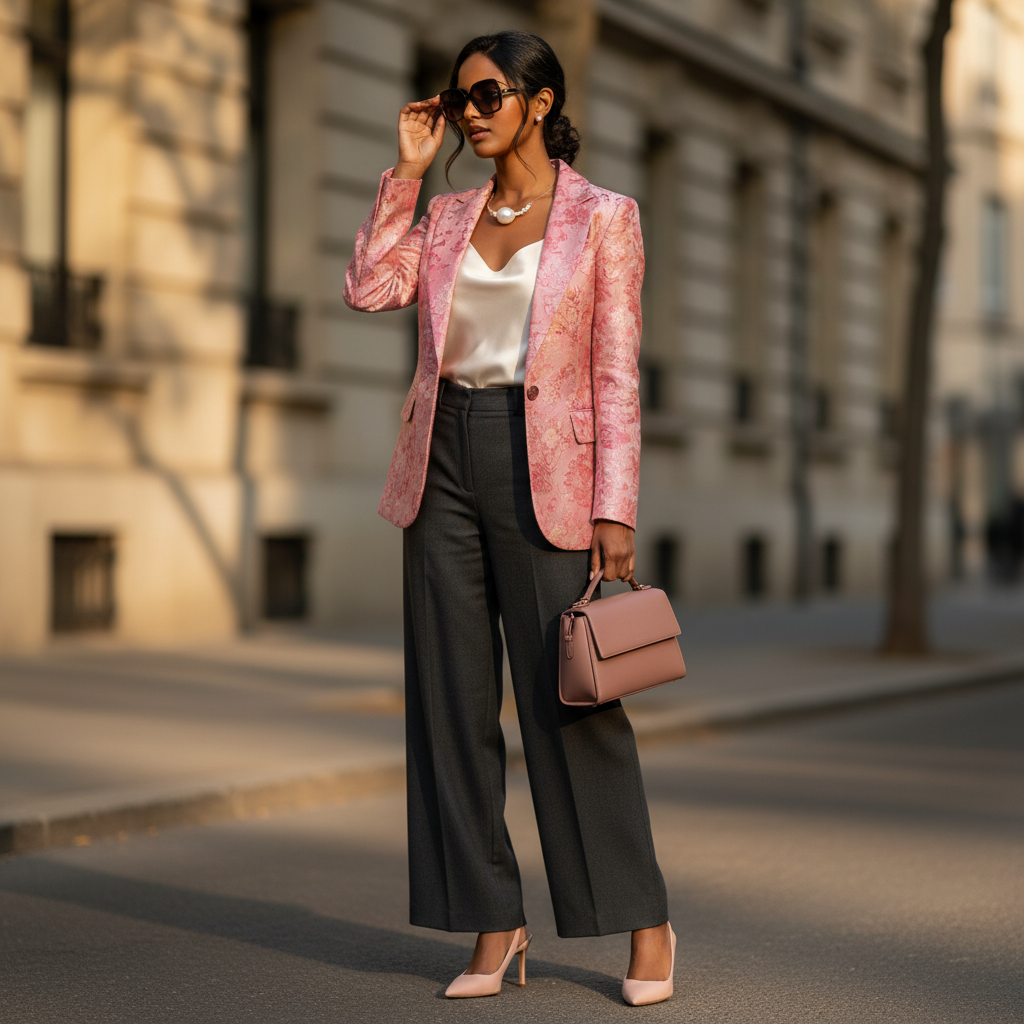
Outfit 3: Subtle Rococo
Wide-leg trousers
Floral brocade blazer
Silk cami
Pearl studs
Vibe: “I own one very dramatic jacket.”
Contemporary Hyperfeminine Movements
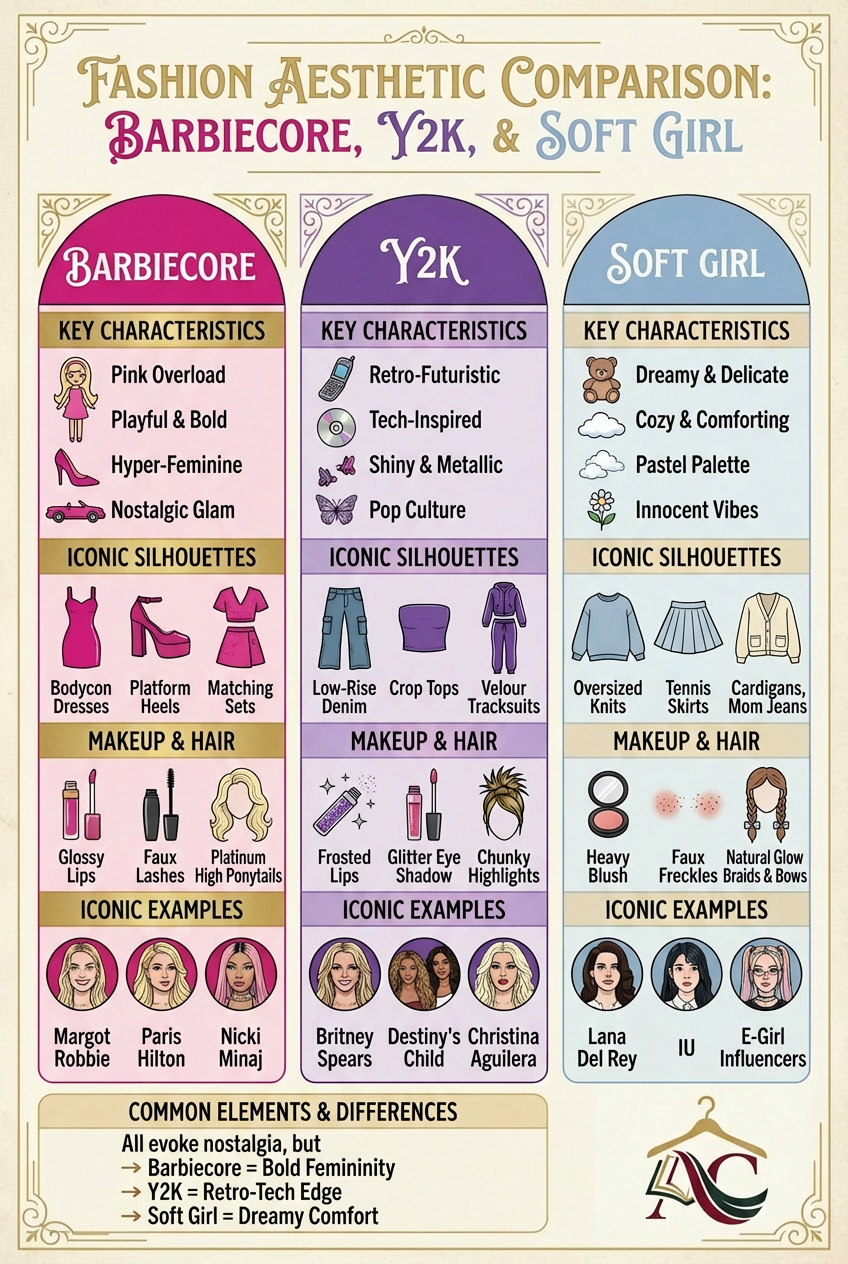
Contemporary Hyperfeminine movements are complicated: simultaneously celebrating and critiquing hyperfemininity.
These aesthetics are influenced by digital culture in a way that the previous categories aren't. You can do Old Hollywood without TikTok. You cannot do Barbiecore without understanding the cultural movement.
Also, they're all extremely pink. Aggressive, synthetic, unapologetic pink.
Barbiecore
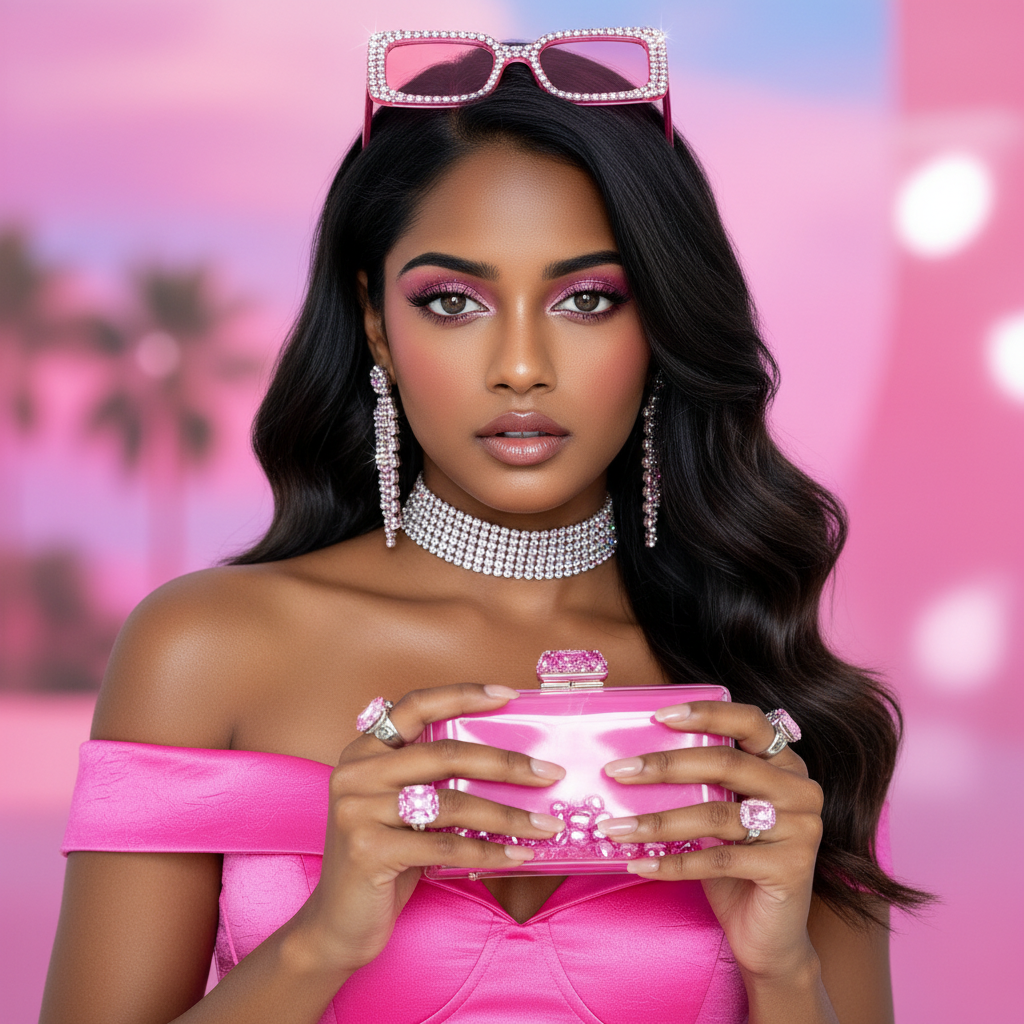
Let's start with the elephant in the room—or rather, the Barbie Dreamhouse in the room: Barbiecore peaked in summer 2023 with Greta Gerwig’s Barbie movie. It made hyperfemininity legitimate in a way it hasn’t been since the 1950s.
For about four months in 2023, pink was everywhere. Not soft pink. Hot pink. Fuchsia. Magenta.
It was exhausting, and, for a brief moment, exhilarating to watch women decide that being "too much" was celebratory.
Key Elements
Color: hot pink, fuchsia, magenta (painfully saturated)
Materials: glossy, synthetic, “plastic fantastic” textures
Mood: playful, confident, self-aware
Silhouettes: anything feminine works—bodycon, power suit, fit-and-flare
Accessories: oversized sunglasses, platforms, statement bags, extra everything
Hot Pink Maximalism and Plastic Fantastic
The visual language of Barbiecore is recognizable:
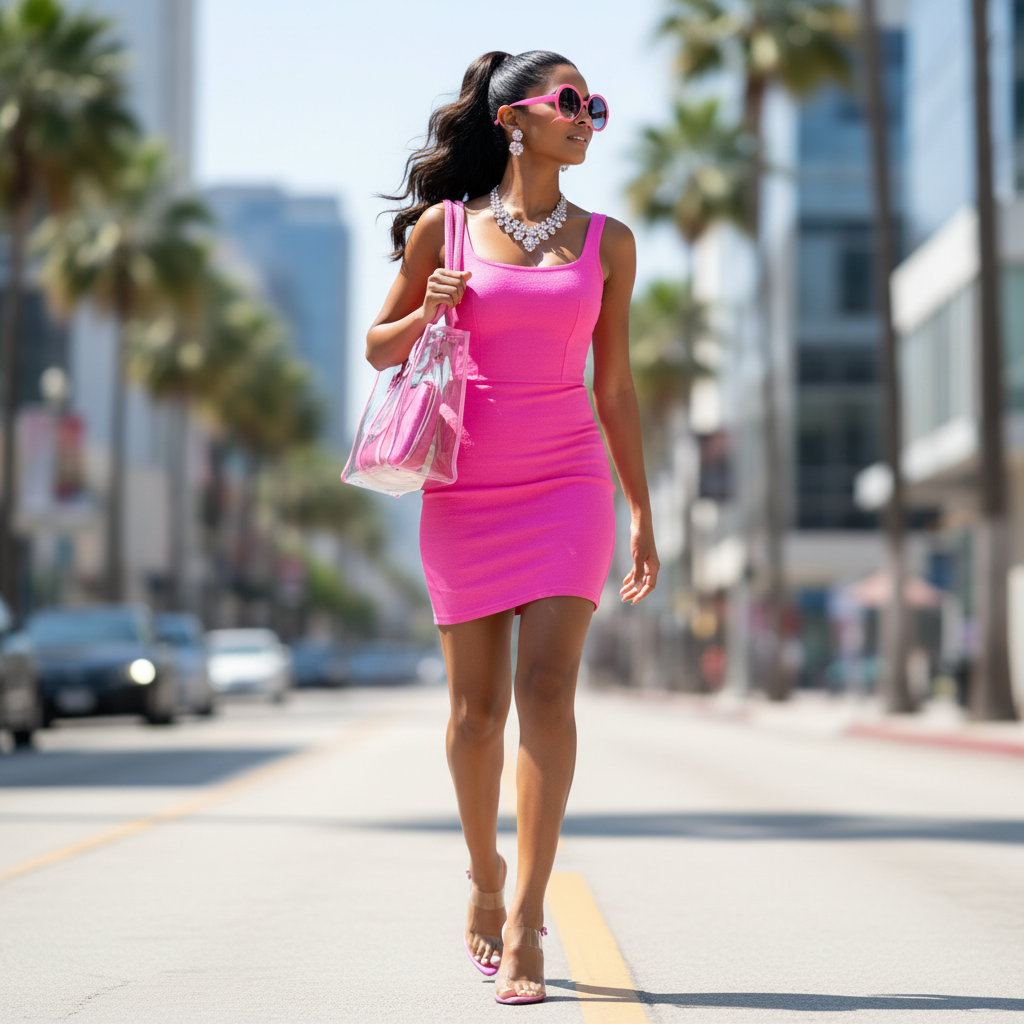
The color, obviously: Hot pink, fuchsia, magenta, occasionally softened with blush or brightened with neon. The official Pantone color used for the movie merchandise was "Barbie Pink" (Pantone 219C), and it’s the reference for the entire aesthetic.
Synthetic is the point: Unlike cottagecore's natural fibers or Old Hollywood's silk, Barbiecore embraced synthetic materials. Barbie is literally plastic, and the aesthetic leans into that.
Maximalism without apology: Not one pink item, but every possible pink item. Pink dress, pink shoes, pink bag, pink sunglasses, pink phone case, pink nails…
How to Wear Pink Without Looking in Costume
The challenge with Barbiecore post-2023 is that the full commitment version can read as costume. But you can reasonably incorporate it into modern dressing.
Use pink as an accent, not a total look:
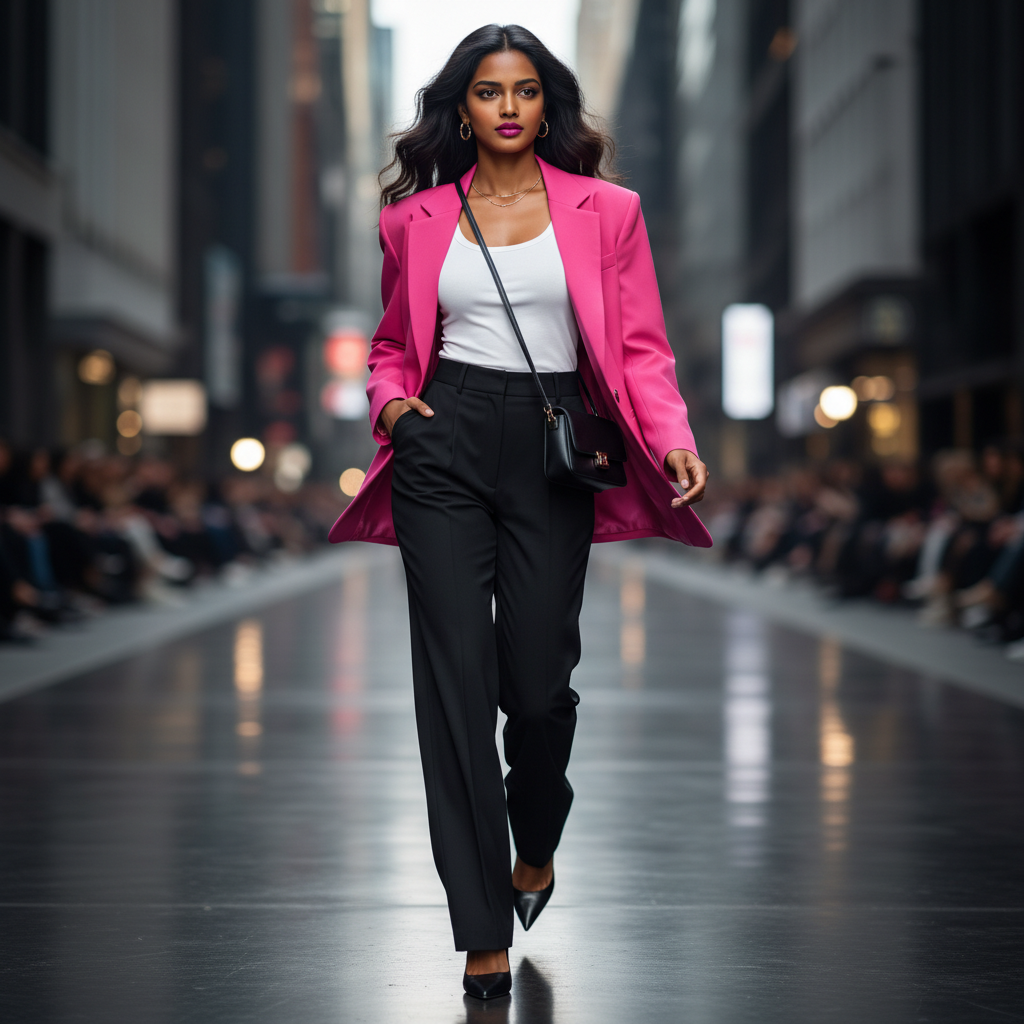
A pink blazer over neutral trousers and a white tee
Pink shoes or bag with neutrals
One pink statement piece (skirt, coat, dress) with neutrals
Avoid the full costume elements:
Heart-shaped sunglasses (too much)
Head-to-toe pink (reads as Halloween)
Barbie logo clothing or merch dated the second the movie moment passed
Use pink in unexpected combinations:
Pink with brown (sophisticated)
Pink with black (classic, never dated)
Pink with navy (nautical, preppy, polished)
Pink with gray (soft, professional)
Pink with olive or forest green (unexpected, editorial)
Styling Formula + 3 Outfit Examples
Peak Barbiecore (2023):
Hot pink head-to-toe + shiny/synthetic textures + playful accessories = full Barbie.
Wearable Barbiecore (2026):
One bold pink piece + neutrals + confidence = pink-positive, not costume.
Outfit 1: Peak Barbiecore (Full 2023 Energy)
Hot pink dress (bodycon or fit-and-flare)
Pink heels (or clear pink heels)
Pink bag (or clear/vinyl bag)
Oversized pink sunglasses
Rhinestone jewelry
Pink-forward makeup (blush + lip, extra glow)
Vibe: You’re Barbie, and proud of it.
Wear it: Themed parties, content days, Halloween, “I’m doing a bit” occasions.
Outfit 2: Wearable Barbiecore (2026 Translation)
Hot pink blazer
White tee or tank
Black trousers or dark denim
Black/nude shoes (loafers or pumps)
Simple bag + minimal jewelry
Neutral makeup with one pink moment (lip or blush)
Vibe: “I take pink seriously.”
Wear it: Work, meetings, events where you want to stand out without looking themed.
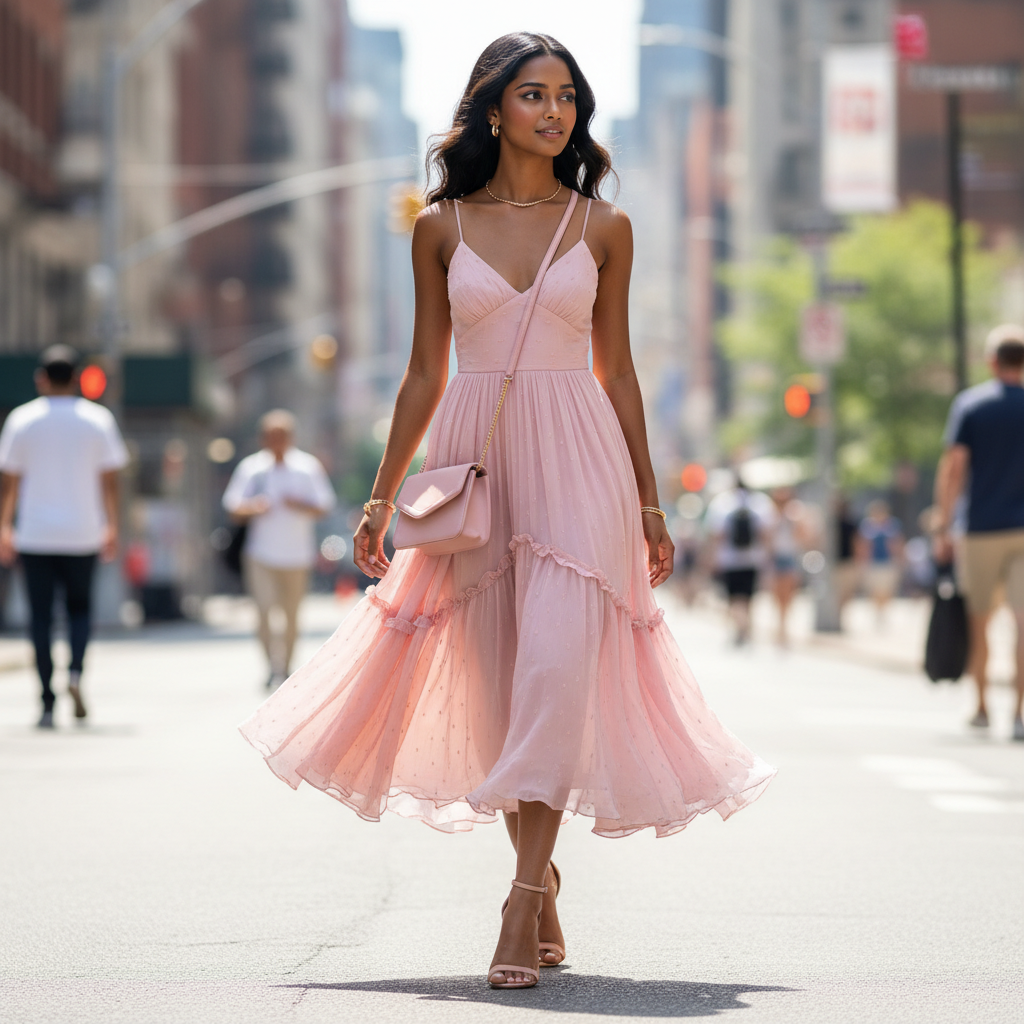
Outfit 3: Soft Barbiecore (Romantic/Grown-Up Pink)
Blush or dusty-rose midi dress
Nude/blush sandals
Simple bag
Delicate jewelry
Soft waves + soft pink makeup
Vibe: Barbiecore, but you have plans that don’t involve a Dreamhouse.
Wear it: Weddings, garden parties, summer events, date nights.
Bimbocore / Y2K Feminine
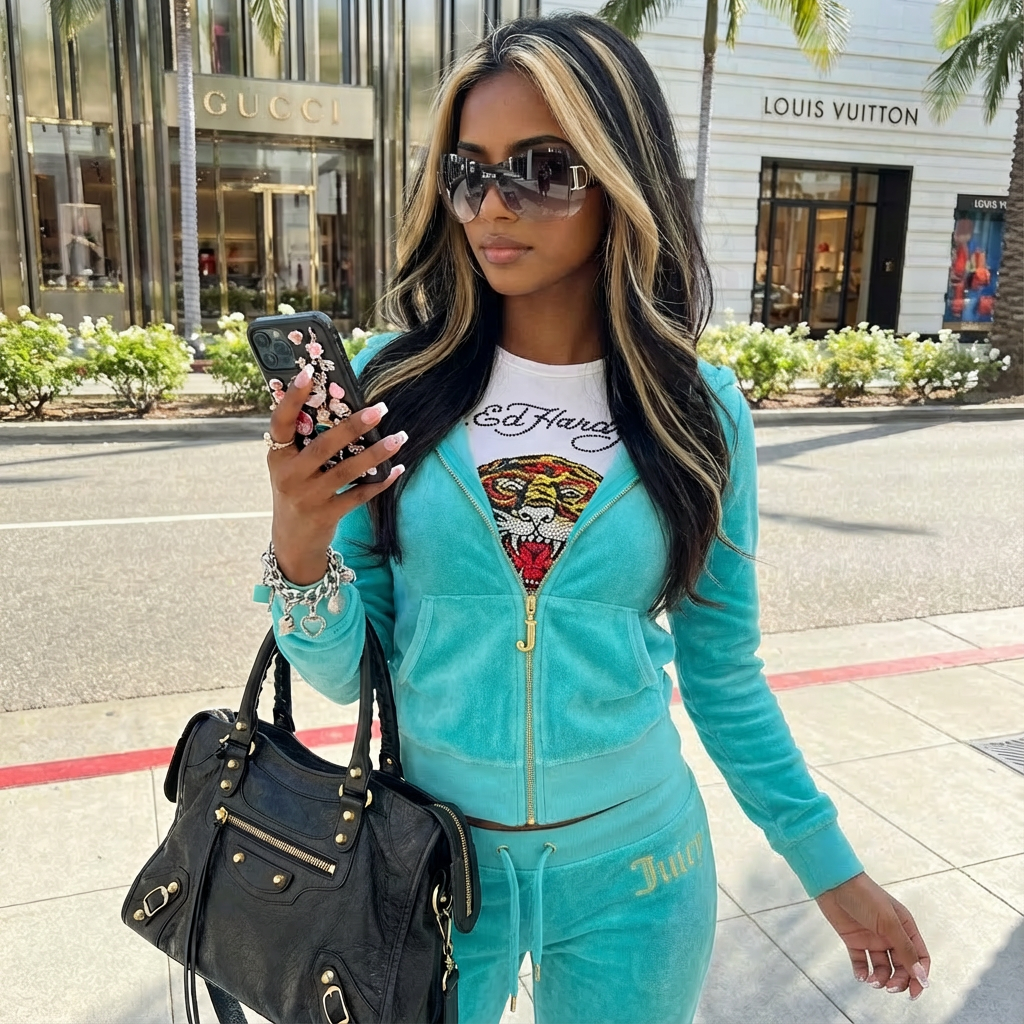
Bimbocore is even more complicated and more radical: taking an insult and turning it into an identity.
The word "bimbo" historically means an attractive but unintelligent woman. The insult punishes feminine women while also implying that femininity and intelligence are mutually exclusive.
By choosing to be the bimbo, you're refusing to play the game. You're saying: I'm doing the thing you mock anyway, so I might as well do it on my own terms.
Key Elements
Y2K glamour: baby tees, minis, velour tracksuits, rhinestones
Beauty: gloss, tan, big lashes, long nails, blown-out hair
Status cues: visible branding or “luxury cosplay” accessories
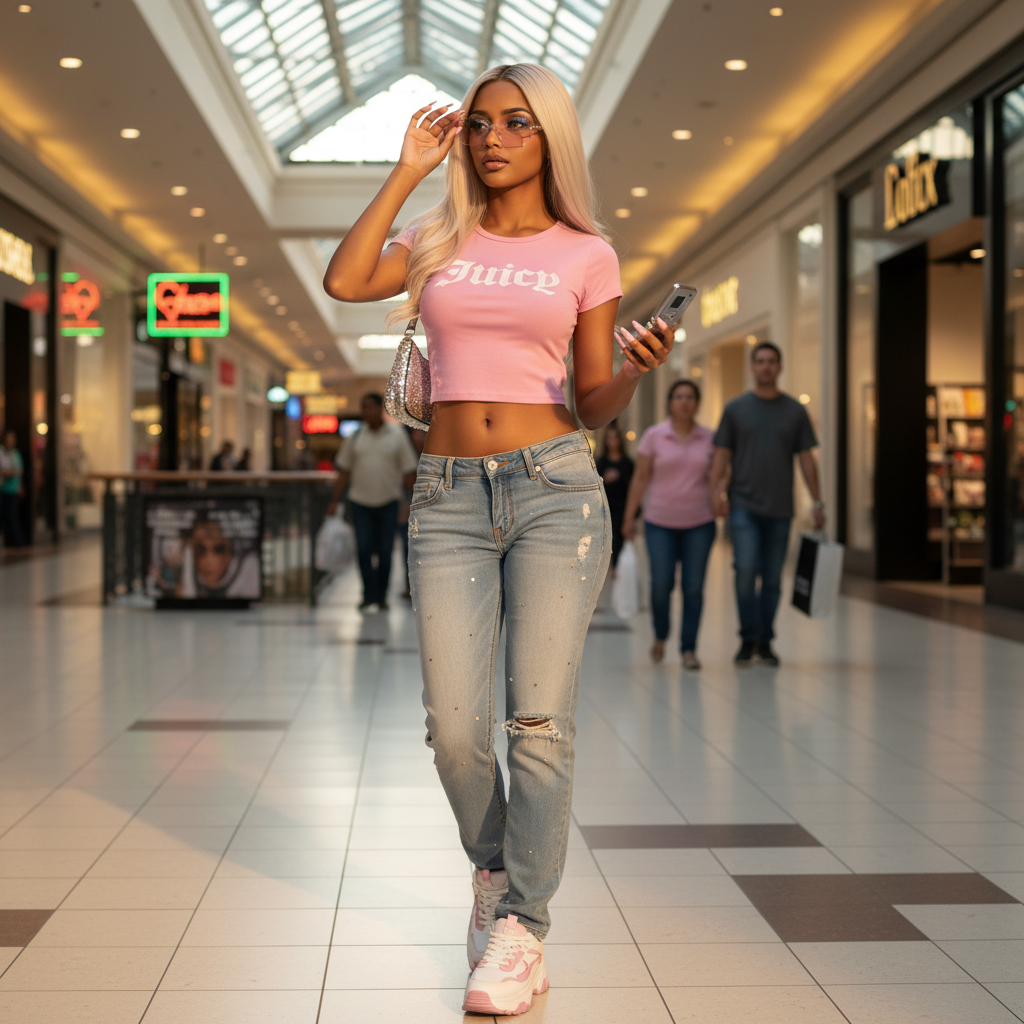
Y2K/bimbocore celebrates:
The optimism and playfulness of late 90s/early 2000s teen culture
A hyperfemininity that’s both celebrated and mocked
Early-internet culture (pre-smartphone, pre-Instagram, digital cameras with 2 megapixels, and that was enough)
What it conveniently forgets:
The insane body standards
The unflattering fashion
The casual sexism
Paris Hilton and the "Dumb Blonde" Subversion
The patron saints of bimbocore represent different versions of what the aesthetic is trying to do:
Paris Hilton is the most cited bimbocore icon. The baby voice, the "that's hot," the pink everything, the chihuahua in a purse—all performance. She built an empire on performing the "dumb blonde" while actually being an extremely savvy businesswoman
Jessica Simpson and the "is she or isn't she?" question represent bimbocore's ambiguity. Simpson played up the ditzy blonde persona (famously asking if Chicken of the Sea was chicken or fish) while building a billion-dollar fashion empire.
Legally Blonde's Elle Woods is the aspirational version—the blonde who proves she can be hyperfeminine and Harvard Law smart. Elle is what bimbocore wants to be: intelligent, feminine, and refusing to compromise.
Styling Formula + 3 Outfit Examples
Bimbocore / Y2K Formula
Low- or mid-rise silhouette + cropped/tight fit + sparkle or velour + blonde/highlighted hair + glossy glam makeup + visible logo energy + confident attitude = Bimbocore/Y2K feminine.
Outfit 1: Classic Y2K Bimbo (Full 2000s Mode)
Low-rise light-wash jeans (rhinestones optional, chaos optional)
Tight baby tee (pink/white, graphic or logo)
Platform heels or chunky sneakers
Tiny logo purse
Long acrylic nails
Beauty: Platinum or heavily highlighted hair, frosted shadow, glossy lips, bronzed skin.
Vibe: Mall in 2002. You have a flip phone and opinions.
Wear it: Themed parties, nostalgia nights, content creation.
2026 reality: Costume unless you’re deep in Y2K subculture.
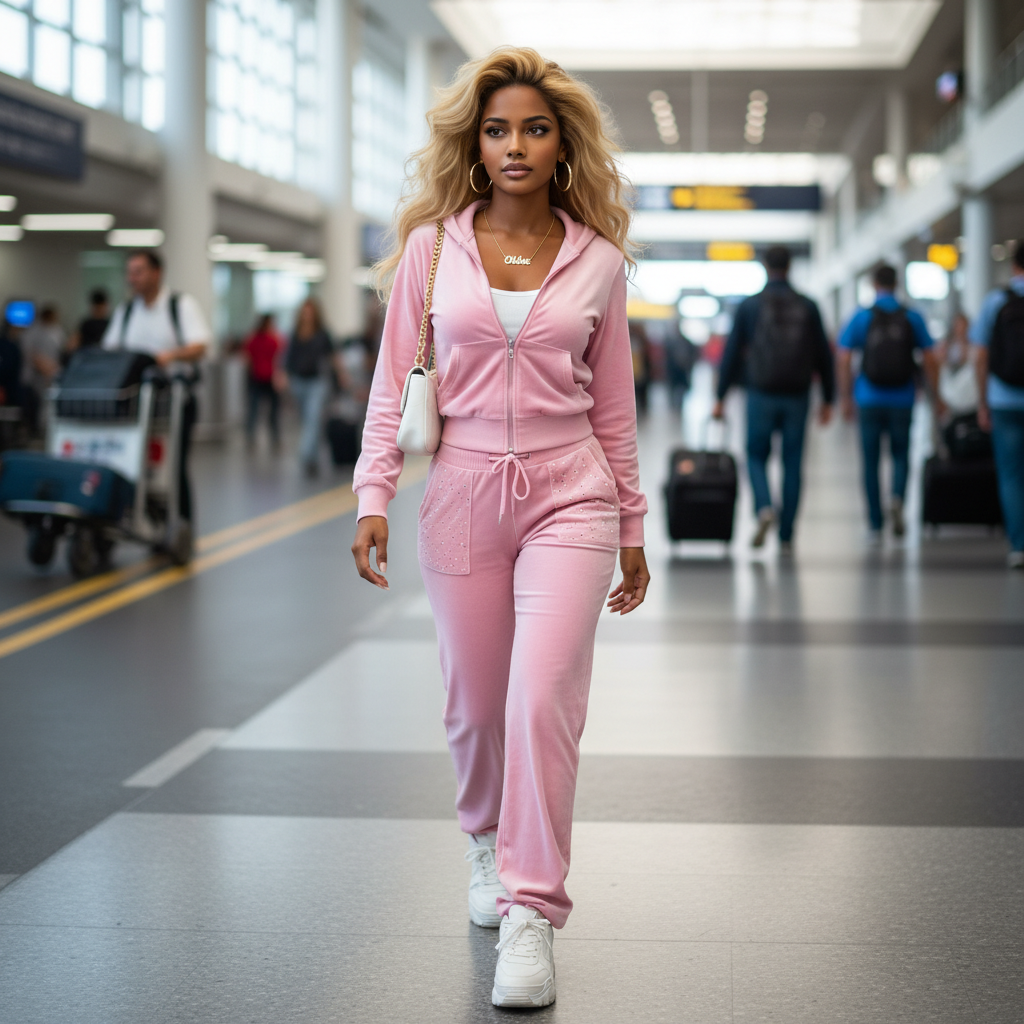
Outfit 2: Luxury Bimbocore (Tracksuit Era)
Velour tracksuit (pink, baby blue, or white)
White tank or baby tee
Chunky sneakers or Uggs
Small designer-style bag
Hoops + nameplate necklace
Beauty: Blonde blowout, bronzed glow, glossy lips.
Vibe: 2005 airport. Comfortable, rich, unbothered.
Wear it: Travel, weekends, casual flex moments.
2026 reality: Surprisingly wearable—tracksuits are back.
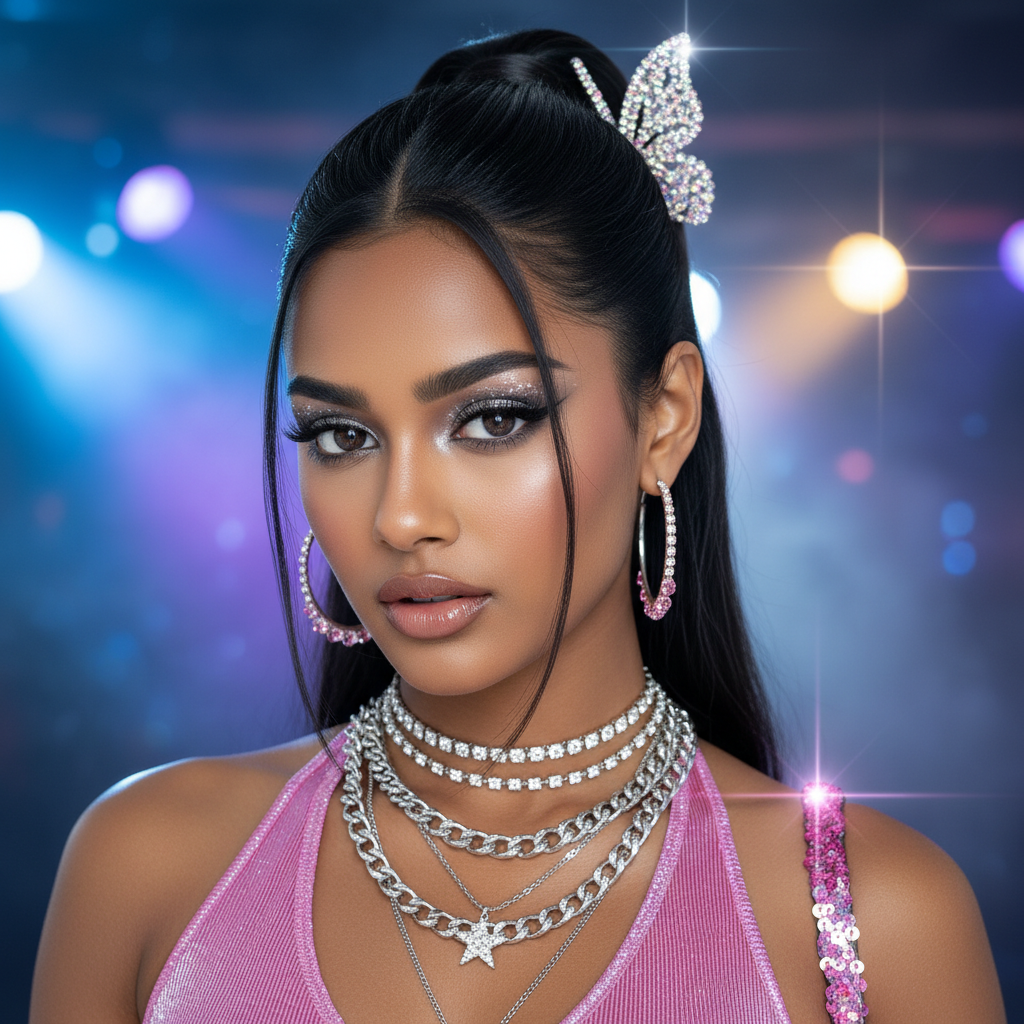
Outfit 3: Party Y2K (Going-Out Energy)
Denim or plaid mini skirt
Fitted tank or halter (metallic, pink, or black)
Platform or chunky heels
Tiny sparkly purse
Statement earrings + layered necklaces
Beauty: Sleek straight hair or half-up clip, full glam, shimmer + gloss.
Vibe: It’s 2003, and you’re meeting your friends at the club.
Wear it: Parties, Vegas, bachelorette weekends.
2026 reality: The outfit works. The attitude makes it Y2K.
Soft Girl
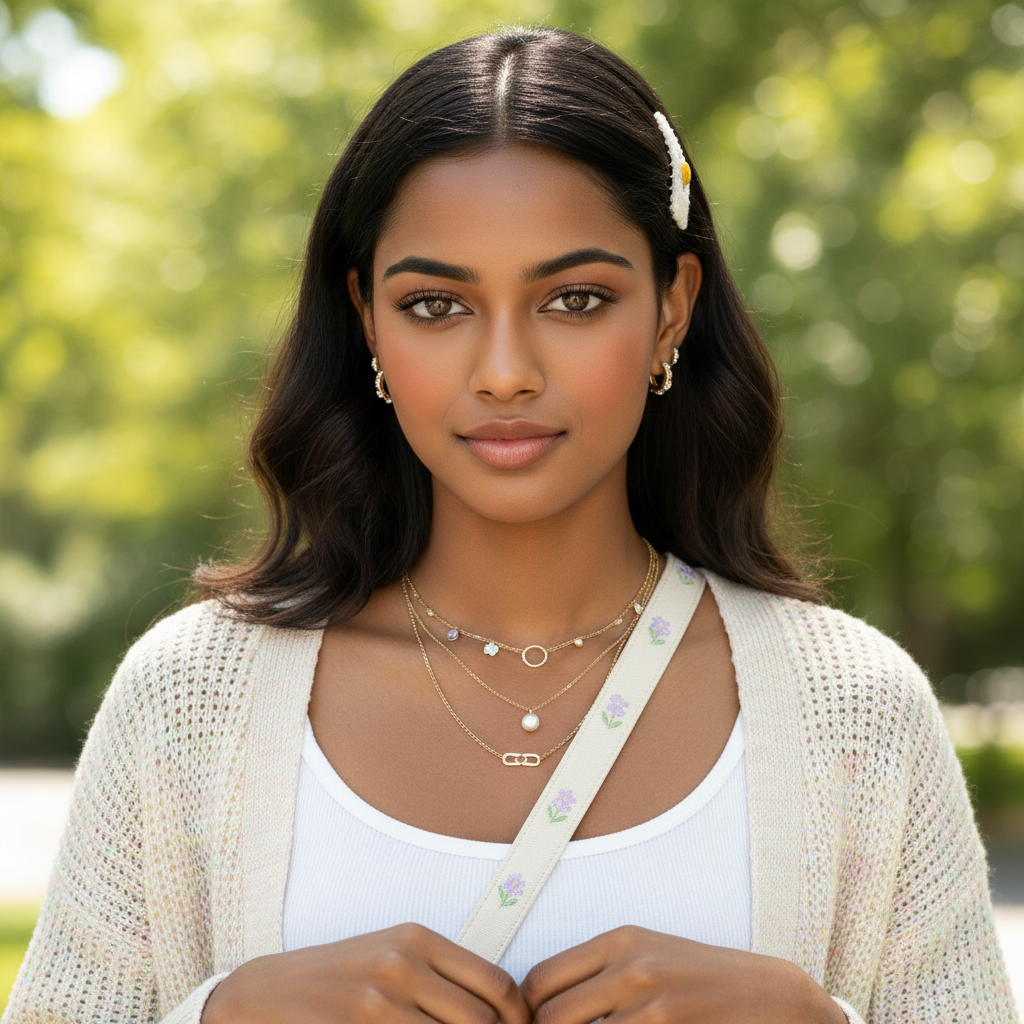
East Asian Kawaii Culture Meets Western Adaptation
Soft girl aesthetic is a direct descendant of Japanese and broader East Asian kawaii ("cute") culture.
The lineage looks something like:
Japanese kawaii culture (1970s-present): Cute aesthetics, childlike presentation, pastel colors, character goods, the celebration of "cute" as a legitimate aesthetic category
Korean beauty trends (2000s-present): Glass skin, gradient lips, puppy eyes, youthful appearance.
Asian social media aesthetics (2010s): Chinese and Korean social media platforms developing specific soft, cute aesthetic trends
Western adoption (late 2010s): Western influencers adopting and presenting these aesthetics as new discoveries, often without crediting Asian origins
"Soft girl" naming (2019-2020): TikTok codifying this as "soft girl aesthetic" and treating it as a Western internet invention
The question of whether this is cultural appreciation or appropriation depends largely on the practice.
Pastels, Blush, Plushies, and Gentle Femininity
Colors: Lavender, mint green, peach, baby pink, baby blue, butter yellow, cream. All pastels, all the time.
The makeup:
Blush across the nose bridge and cheeks
Gradient lips in pink or coral
Minimal eye makeup except mascara
Aegyo-sal (artificial under-eye puffiness)
Glossy, dewy skin
Occasional kawaii details like heart-shaped under-eye blush or stars drawn on cheeks
The clothes:
Oversized pastel hoodies or sweatshirts
Baggy or wide-leg jeans (often in light wash or white)
Knit cardigans in pastel colors
Cute graphic tees with kawaii characters or gentle slogans
The accessories:
Plushies (carried, photographed with, displayed)
Character goods (especially Sanrio: Hello Kitty, My Melody, Cinnamoroll)
Cute backpacks or bags with character details
The hair: Natural, often dyed in pastel tones (lavender, pink, blonde) or left natural but styled simply (loose waves, half-up styles, space buns).
Styling Formula + 3 Outfit Examples
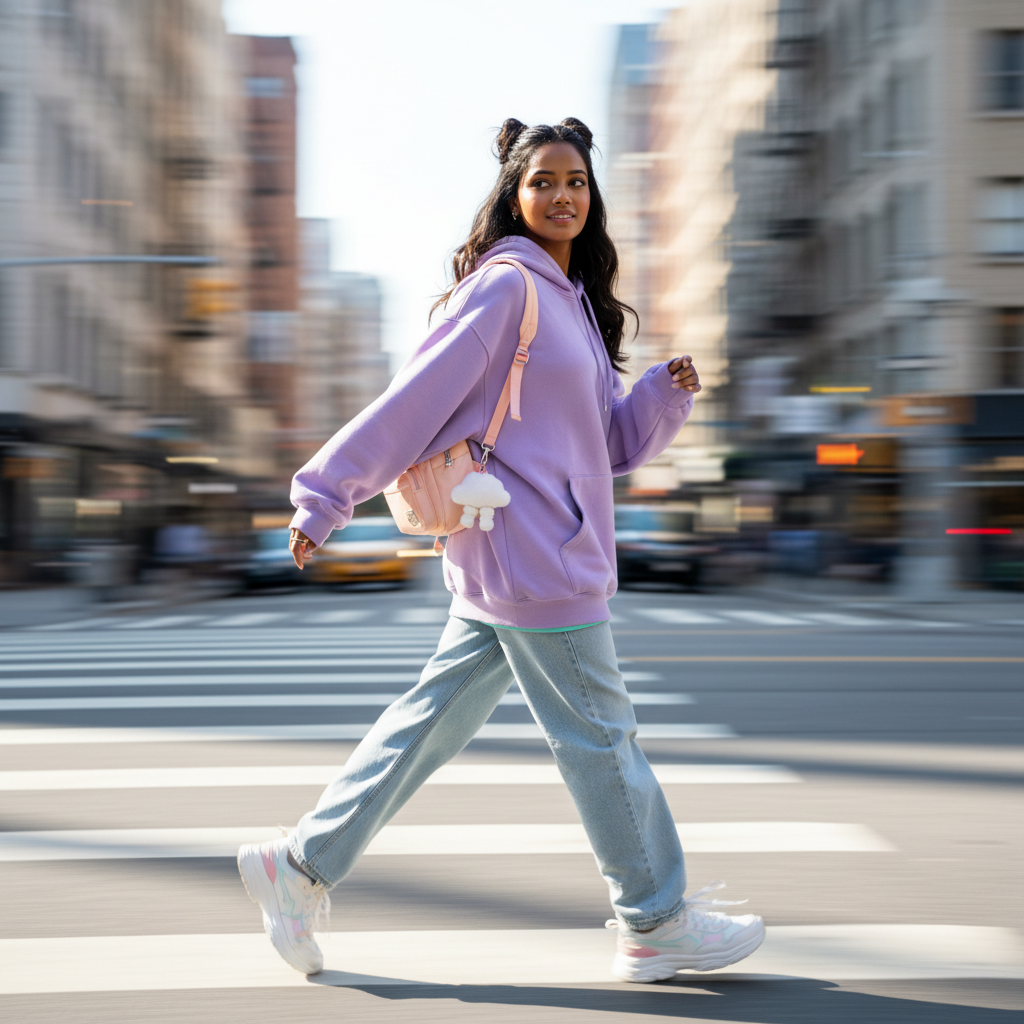
The Soft Girl Formula: Pastel color palette + oversized comfortable silhouette + cute/kawaii detail (plushie, character, or accessory) + gentle makeup (heavy blush, glossy) + soft approachable energy = Soft Girl Aesthetic
Outfit 1: Classic Soft Girl
Oversized pastel hoodie (lavender, mint, peach)
Light-wash baggy jeans or white wide-leg jeans
White or pastel sneakers
Pastel backpack or shoulder bag
Plushie or cute bag charm
Beauty: Blush across nose and cheeks, glossy pink lip, dewy skin, minimal eyes.
Hair: Simple—space buns, half-up, loose waves, or pastel tint.
Vibe: Cozy, sweet, unapologetically cute.
Wear it: School, errands, casual weekends.
Outfit 2: Soft Girl Summer
Pastel cardigan (cream, lavender, mint)
Simple white or cream cami/tee
Light denim or white shorts
Sneakers or Mary Janes
Small cute crossbody bag
Beauty: Fresh, peachy gloss, blush-forward.
Hair: Loose waves or soft clip style.
Vibe: Soft, but warm-weather practical.
Wear it: Park days, casual dates, summer outings.
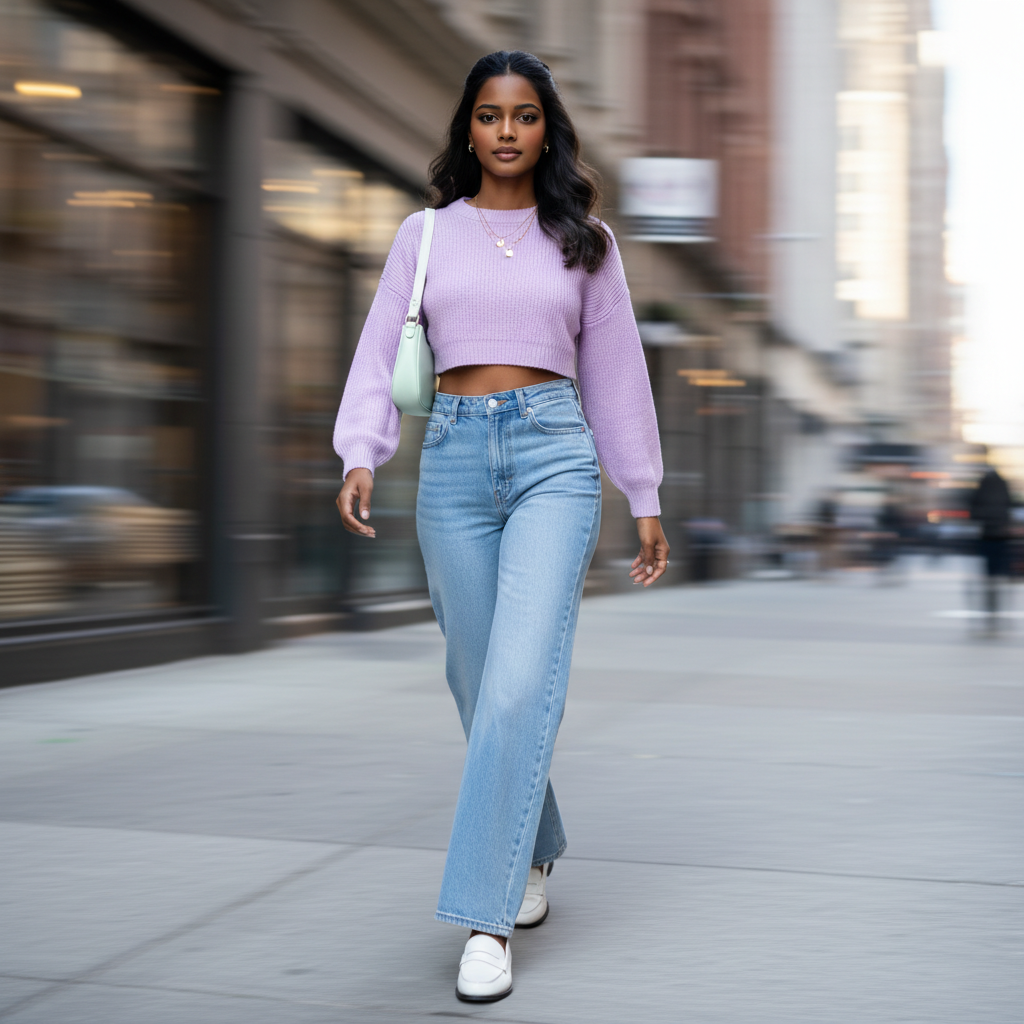
Outfit 3: Soft Girl Elevated
Pastel knit set or sweater (lavender, peach, mint)
Light-wash straight or wide-leg jeans
White loafers or Mary Janes
Structured pastel or white bag
Minimal charm jewelry
Beauty: Same blushy softness, just more polished.
Hair: Loose curls or simple half-up.
Vibe: Grown-up soft girl.
Wear it: Casual office, brunch, daytime events where you want gentle energy—but still taken seriously.
Specialized Niches
These specialized niches are for people who want to get very specific about their hyperfeminine presentation. They have smaller but more dedicated communities.
Balletcore
Leg Warmers to Luxury: Dance-Inspired Fashion
Balletcore translates ballet into everyday fashion. It's softer and more structured than coquette, more athletic than cottagecore, and more minimal than Rococo, though it shares DNA with all three.
The aesthetic emerged from the athleisure boom and nostalgia.
The key distinction from coquette (since they're often confused): Balletcore is about discipline and craft, while coquette is about innocence and romance. Balletcore's reference is the dancer's bun and rehearsal studio, while coquette's reference is the doll and the ribbon.
The Athleisure Overlap
Balletcore has more flexibility and wearability than some other hyperfeminine aesthetics.
The luxury fashion industry has leaned into this with "ballet-inspired" collections that execute the dance studio in cashmere, silk, and other luxury materials.
Styling Formula + Outfit Examples
The Balletcore Formula: Dance-inspired silhouette (wrap, leotard, tulle) + soft neutral or blush palette + ballet flats or wrap shoes + sleek bun or elegant updo + minimal makeup + graceful posture = Balletcore
Outfit 1: Classic Balletcore
Black or pink leotard or bodysuit
Soft pink or cream wrap skirt (knee-length, tulle or chiffon)
Matching ribbon-tie ballet flats
Wrap cardigan if it's cold
Hair in tight, centered bun with ribbon
Minimal makeup: light blush, soft pink lip
The vibe: You're a dancer between rehearsals, effortlessly graceful, disciplined elegance
When to wear it: Casual outings, brunch, anywhere to look elegant but comfortable
Outfit 2: Wearable Balletcore
High-waisted black leggings or ballet tights
Cropped wrap sweater or cardigan in blush, cream, or oatmeal
Classic ballet flats
Small crossbody bag
Hair in low bun or sleek ponytail
Minimal makeup
The vibe: Ballet-inspired athleisure, polished and put-together.
When to wear it: Daily errands, work (if very casual), travel, comfortable daily wear
Outfit 3: Evening Balletcore
Black bodysuit or fitted long-sleeve top
Longer tulle skirt in black, blush, or cream (midi or maxi)
Black ballet flats or low kitten heels
Delicate jewelry (small earrings, thin necklace)
Hair in elegant updo or low chignon with ribbon detail
Slightly more polished makeup: defined eyes, pink lip
The vibe: Ballerina goes to dinner, elegant and romantic
When to wear it: Dinner, evening events, dates, elevated but not formal
Princesscore
Princesscore, Castlecore, and the Rococo Connection
Before we dive into how to actually wear princesscore, we need to untangle three closely related aesthetics that often get confused: princesscore, castlecore, and their historical predecessor, Rococo.
Princesscore is about being a princess—the Disney-fied, fairy tale version of royalty. It's personal fantasy fulfillment, tulle skirts and tiaras, the princess as the main character. It's childlike in its references (Disney princesses, storybook illustrations, dress-up) even when adults do it.
Castlecore is about the setting and aesthetic of royalty rather than the princess. Think: stone castle interiors, tapestries, candlelight. It's more likely to involve actual medieval fashion references—chemises, corsets, heavy fabrics—than princess culture references.
Princesscore says "I am a princess." Castlecore says "I live in a castle."
Rococo: Rococo is the historical predecessor that both of these aesthetics draw from.
Rococo (18th-century French aristocratic fashion) is:
Historically specific (1715-1789)
Extremely ornate and expensive
Marie Antoinette and Versailles, not Disney and storybooks
How to tell them apart in practice:
Rococo: Pastels, 18th-century silhouettes, brocade, volume, Marie Antoinette, French
Princesscore: Disney princess colors, tiaras, tulle (lots of tulle), sparkles, fairy tale rather than historical
Castlecore: Medieval/Renaissance references, heavier fabrics (velvet, brocade, wool), earth tones and jewel tones (less pastel), more "Renaissance fair" than "ball"
For this section, we're focusing on princesscore specifically. But understanding how it relates to both castlecore and Rococo helps clarify what makes princesscore its own thing.
Disney-fied Femininity and Fairy Tale Fashion
The princesscore wardrobe is a maximum fairy tale:
Tulle everything: Tulle skirts, tulle overlays, tulle as texture and volume. Colors are soft pastels or white, though some versions use jewel tones.
Ball gown silhouettes: Princesscore favors silhouettes that suggest ball gowns. Fitted bodices, full skirts, off-shoulder or sweetheart necklines.
Tiaras and crowns: From subtle headbands to full rhinestone tiaras. This is the signature princesscore accessory.
Adult Princess Culture Without Looking Juvenile
How do you do princesscore without looking like you're wearing a child's dress-up clothes?
What works:
Princesscore elements rather than full princess costume (a tulle skirt with a simple top, not a full ball gown)
Sophisticated fabrics (silk and satin rather than cheap synthetic)
Elevated accessories
Color palettes referencing princesses without being literal
What reads as juvenile:
Full Disney princess replica costumes in everyday wear
Plastic tiaras from the children's section
Expecting others to participate in your princess fantasy
Styling Formula + 3 Outfit Examples
The Princesscore Formula: Fairy tale silhouette (tulle, ball gown-inspired, full skirt) + sparkle or shine element + soft romantic colors + princess-specific details + tiara or crown + fantasy commitment = Princesscore
Outfit 1: Full Princesscore Fantasy
Ball gown or tulle overlay dress in pastel (pink, blue, lavender) or jewel tone
Long gloves (optional but very princess)
Tiara or ornate headband
Sparkly or rhinestone jewelry
Heels (preferably in matching color or metallic)
Hair: curled, possibly half-up with tiara placement
Makeup: soft and romantic with some sparkle
The vibe: You're attending a ball, you're a literal princess, you're committed to the fantasy
When to wear it: Disney parks, princess-themed events, costume parties, formal events where you want maximum drama, photo shoots
Reality check: This is costume territory for regular daily life
Outfit 2: Wearable Princesscore
Tulle midi skirt in blush, lavender, or champagne
Simple fitted top or sweater in coordinating color
Ballet flats or low heels
Delicate tiara-inspired headband or sparkly hair clips
Subtle jewelry (maybe a locket or small pendant)
Hair: soft waves or elegant updo
Makeup: romantic and soft
The vibe: Princess aesthetic for real life, fantasy-inspired but functional
When to wear it: Brunch, shopping, casual events, anywhere you want to feel princess-y without full costume
Outfit 3: Subtle Princess Reference
Midi or maxi dress in a princess-specific color (Belle yellow, Aurora pink, Ariel purple)
Cardigan or jacket if needed
Simple flats or low heels
Minimal jewelry (maybe a rose or glass slipper reference piece)
Small crown pin or subtle tiara-inspired accessory
Hair: polished and pretty but not costume-styled
Makeup: clean and natural with a pop of color
The vibe: "If you know, you know" princess reference
When to wear it: Disney bounding (wearing princess-inspired clothes without costume), daily wear for committed fans, subtle reference
Dark Feminine / Vamp Romantic
Gothic Glamour Meets Femme Fatale
If all the previous hyperfeminine aesthetics have been some variation on soft, light, innocent, or playful, dark feminine is the counter-movement. This is hyperfemininity with an edge.
Dark feminine (also called vamp romantic or dark feminine energy) is having a significant moment in 2026. After years of coquette bows and Barbiecore pink, there's a cultural appetite for femininity that feels less innocent.
Morticia Addams Energy for the Modern Age
The cultural references are specific: Morticia Addams, femme fatales from film noir, gothic heroines, Wednesday Addams grown up, Angelina Jolie's entire vibe circa 2000-2010, Monica Bellucci, "beautiful and possibly dangerous."
This aesthetic also has crossover with dark academia and romantic goth.
Styling Formula + 3 Outfit Examples
The Dark Feminine Formula: Black or deep jewel tone + dramatic silhouette (corset, flowing skirt, structured shoulders) + lace or luxury texture + statement jewelry + red lip or dramatic makeup + confident energy = Dark Feminine
Outfit 1: Full Dark Feminine
Black lace midi or maxi dress with dramatic sleeves or neckline
Black corset belt at waist
Black heeled boots or heels
Statement silver jewelry (rings, long pendant necklace)
Black clutch or structured bag
Hair: long and sleek, or dramatic updo
Makeup: red lips, dramatic winged liner, defined brows
The vibe: Morticia Addams, femme fatale, "I'm beautiful and dangerous"
When to wear it: Evening events, dinners, goth-adjacent events, formal occasions
Outfit 2: Wearable Dark Feminine
Black high-waisted wide-leg trousers or midi skirt
Black lace or silk blouse with dramatic detail (bow neck, bishop sleeves)
Black heeled ankle boots or pumps
Silver jewelry (moderate, not overwhelming)
Structured black bag
Hair: sleek ponytail or simple updo
Makeup: red or burgundy lip, subtle liner
The vibe: Dark, feminine for real life, powerful and elegant
When to wear it: Work (if your office allows), dinners
Outfit 3: Romantic Dark Feminine
Burgundy or deep purple velvet or silk midi dress
Black lace tights
Black heeled boots
Delicate but dramatic jewelry (long pendant, stacked rings)
Small black or burgundy bag
Hair: romantic waves or half-up with some drama
Makeup: burgundy or plum lip, soft smoky eye
The vibe: Vampire elegance, gothic romance, dark feminine with a softer edge
When to wear it: Dates, dinners, evening events
Building Your Hyperfeminine Wardrobe: The Practical Guide
We've examined the theory, history, and culture of hyperfeminine aesthetics.
Now let's talk about a practical problem: you know what you like, and you're now in front of your closet, wondering where to start.
Identifying Which Aesthetic(s) Resonate With Your Lifestyle
Before you buy anything, answer some honest questions about your actual life, not the aspirational version.
The Lifestyle Audit:
What does your week look like?
How many days do you work, and what's your dress code?
Do you have young children? Pets? Do you take public transit?
What's your climate? (Cottagecore prairie dresses hit different in Arizona in July)
Do you have hobbies or activities that require specific clothing (gym, hiking, sports)?
What's your actual budget? Not the budget you wish you had. The budget you actually have right now for clothes, per month or per year. Be realistic because aesthetic dressing can get expensive fast.
What aesthetic elements actually excite you vs. what looks good in photos? You might love coquette aesthetics on Pinterest but hate bows on yourself. Pay attention to the difference between what you admire and what you feel good wearing.
The Capsule Approach to Aesthetic Dressing
Capsule wardrobes are perfect for aesthetic dressing, with one modification: instead of one neutral capsule, you build aesthetic-specific capsules with shared foundational pieces.
The Three-Tier Wardrobe Strategy:
Tier 1: Foundation Neutrals (30-40% of wardrobe):
High-quality jeans in dark wash and black
Basic tees and tanks in white, black, cream
Trousers in black and neutral
Neutral outerwear (black blazer, camel coat, denim jacket)
Comfortable shoes (white sneakers, black boots, nude flats)
Black and tan bags
Tier 2: Aesthetic Anchors (40-50% of wardrobe):
Signature dresses or skirts in your aesthetic
Statement tops
Aesthetic-specific shoes (Mary Janes, heeled mules, ballet flats)
Key accessories
Aestheic outerwear
Tier 3: Full Commitment Pieces (10-20% of wardrobe):
Aesthetic statement dresses
Costume-adjacent pieces
Aesthetic shoes
Special occasion accessories
The Capsule Building Process:
Step 1: Start with one aesthetic anchor piece Not ten. ONE. A dress, a skirt, a pair of shoes, a blazer—one piece that clearly signals your chosen aesthetic. Wear it multiple ways before buying more.
Step 2: Add accessories before buying more clothes A $30 hair bow or belt can transform outfits you already own. Accessories are the most cost-effective way to test an aesthetic.
Step 3: Fill gaps. After wearing your anchor piece several times, identify what's missing. Maybe a specific top, shoes, or a bag that matches the vibe.
Step 4: Repeat with a second aesthetic if desired. Once you have a functional capsule for one aesthetic (5-10 pieces plus accessories), you can build a second for flexibility.
The One In, One Out Rule: For every new aesthetic piece you buy, remove one piece from your wardrobe (donate, sell, or store). This prevents hoarding.
Budget Tiers: Target to Vintage Luxury
Most aesthetic guides pretend everyone has unlimited budgets, so let’s talk about money.
Budget Tier: $500-1,500/year clothing budget
Strategy: Mix clearance/sale items with thrifted pieces, focus on accessories
Where to shop:
Mass market: Target, H&M, ASOS, Shein (with caveats about quality and ethics), Old Navy
Thrift/Secondhand: Local thrift stores, Goodwill, online thrift (ThredUp, Poshmark)
Accessories: Amazon, Etsy
What to prioritize:
Accessories first
One or two anchor pieces per aesthetic
Basics in good condition (thrift or sale)
What to skip:
Expensive natural fibers (look for sales or discount stores)
Designer or luxury items
Overly trendy pieces
Realistic outcome: You can build a functional aesthetic wardrobe on this budget. Luxury is not always necessary.
Mid-Range Tier: $1,500-5,000/year clothing budget
Strategy: Mix quality basics with select aesthetic pieces, invest in key items.
Where to shop:
Contemporary brands: & Other Stories, COS, Everlane, Reformation, Ganni, Mango
Aesthetic-specific brands: Selkie, LoveShackFancy (on sale), Christy Dawn, specialty vintage
Vintage/Resale: TheRealReal, Vestiaire Collective, Rebag, designer resale
Mid-tier department stores: Nordstrom, Anthropologie, Free People
What to prioritize:
Quality basics in natural fibers
2-3 statement aesthetic pieces per season
One investment piece per year (coat, bag, shoes)
Elevating accessories
What to balance:
Some investment pieces for longevity
Mix of new and secondhand
Realistic outcome: You can build a good aesthetic wardrobe with real quality at this level. Natural fibers are more accessible; you can invest in pieces that last, and you have the flexibility to experiment.
Investment Tier: $5,000+ year clothing budget
Strategy: Build a quality, cohesive aesthetic wardrobe, custom tailoring, and designer items
Where to shop:
Designer contemporary: The Row, Khaite, Toteme, Simone Rocha, Molly Goddard, Batsheva
Luxury vintage: High-end vintage dealers, auction houses for historical pieces
Custom/Bespoke: Custom dressmakers, bespoke tailoring, made-to-measure services
Luxury department stores: Bergdorf Goodman, Neiman Marcus, luxury boutiques
What to prioritize:
Investment pieces in each aesthetic category
Custom tailoring
Designer shoes and bags (they last and elevate everything)
Vintage for historical aesthetics
What becomes easier:
Real silk, cashmere, and luxury natural fibers
Historical accuracy for Rococo/vintage aesthetics
Fitted custom pieces
Building a lasting wardrobe
Realistic outcome: You can build a museum-quality aesthetic wardrobe at this level. You're not compromising on vision due to budget.
The Budget Reality Check:
Regardless of tier, you need to:
Calculate cost per wear: A $200 dress you wear 50 times is cheaper than a $30 dress you wear twice
Account for alterations: Budget 10-20% extra for tailoring
Factor in maintenance: Dry cleaning, repairs, storage for delicate items
The Practical Truth About Aesthetic Wardrobes
Here's what nobody tells you in the pretty aesthetic TikToks:
Building an aesthetic wardrobe takes time. A year minimum for something functional. Two to three years to really get there. Don't try to buy everything at once.
Most people end up with a hybrid aesthetic. Pure adherence is rare. You'll probably end up being "mostly coquette with some cottagecore and a dark feminine edge" or something entirely different.
You don't have to commit to one aesthetic forever. Your coquette pieces don't disappear if you want to try dark feminine for a while. Keep what you love, sell or donate what you don't.
The goal isn't to create the perfect aesthetic wardrobe. As long as you can pay your bills and your clothes are appropriate, wear what makes you happy.
Even if it's a tiara. Especially if it's a tiara.

