
What is Old Money Fashion? Master Quiet Luxury & Timeless Style
Table of Contents
What Is Old Money Aesthetic?
What makes the old money aesthetic so timeless? It’s not just about fashion. It’s a whole attitude rooted in generational wealth and subtlety. Forget flashy logos and fast-fashion fads; old money style is all about whispering sophistication.
Origins: Where Old Money Style Began
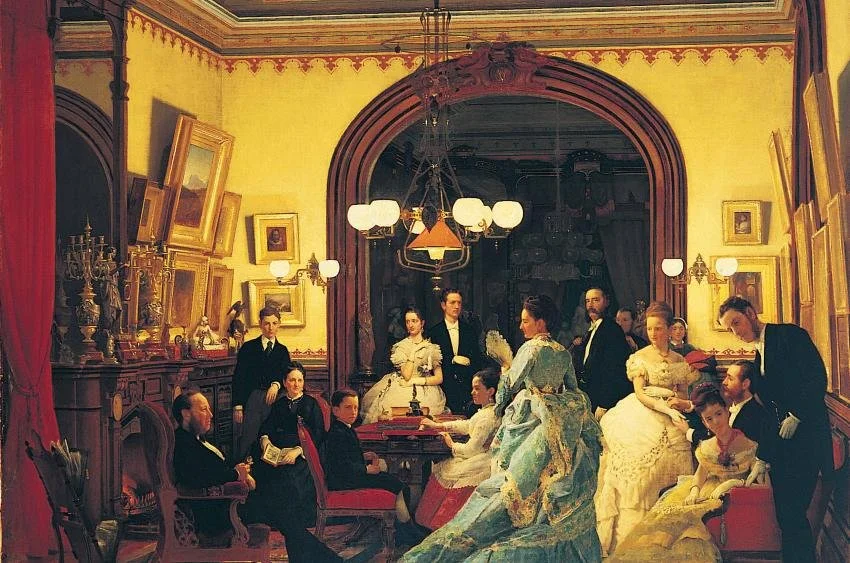
"Going to the Opera" (1874), a painting by Seymour Guy, shows the members of the wealthy Vanderbilt waiting for the carriage to go to the opera.
Old money fashion draws inspiration from American East Coast prep culture (think Ivy League campuses, Newport mansions, the Vanderbilts and Rockefellers) and European aristocracy.
Across the Atlantic, British landed gentry and European nobility perfected the art of dressing for longevity, with wardrobes built around heritage fabrics, classic tailoring, and pieces lasting decades rather than seasons.
The real secret? Dressing in a way that suggests you don’t have to prove anything to anyone.
The Modern Resurgence: Quiet Luxury Takes Center Stage
Thanks to shows like HBO's Succession, quiet luxury has taken center stage in mainstream media. Suddenly, Loro Piana’s baseball caps and Brunello Cucinelli’s knitwear are the new status symbols. In a world of logo-heavy clothing and flashy influencer culture, “stealth wealth” is a breath of fresh air.
On social media, especially TikTok and Pinterest, hashtags like #oldmoney and #quietluxury generate billions of views. While trends come and go, this aesthetic is all about building a wardrobe that stands the test of time.
Old Money Style Icons
Jacqueline Kennedy Onassis - The ultimate American old money icon. Pillbox hats, A-line coats, oversized sunglasses.
Carolyn Bessette-Kennedy - 1990s minimalist old money. Slip dresses, perfect tailoring, understated luxury
Grace Kelly - Epitome of American girl turned European royalty elegance
Princess Diana (early years) - Young Sloane Ranger aesthetic before her style evolved
Audrey Hepburn - While an actress, her personal style was pure old money elegance
Alexis Garrett Stodghill - The Incognegro founder, documents Black old money aesthetic
The Old Money Color Palette
Neutrals Are Your Backbone
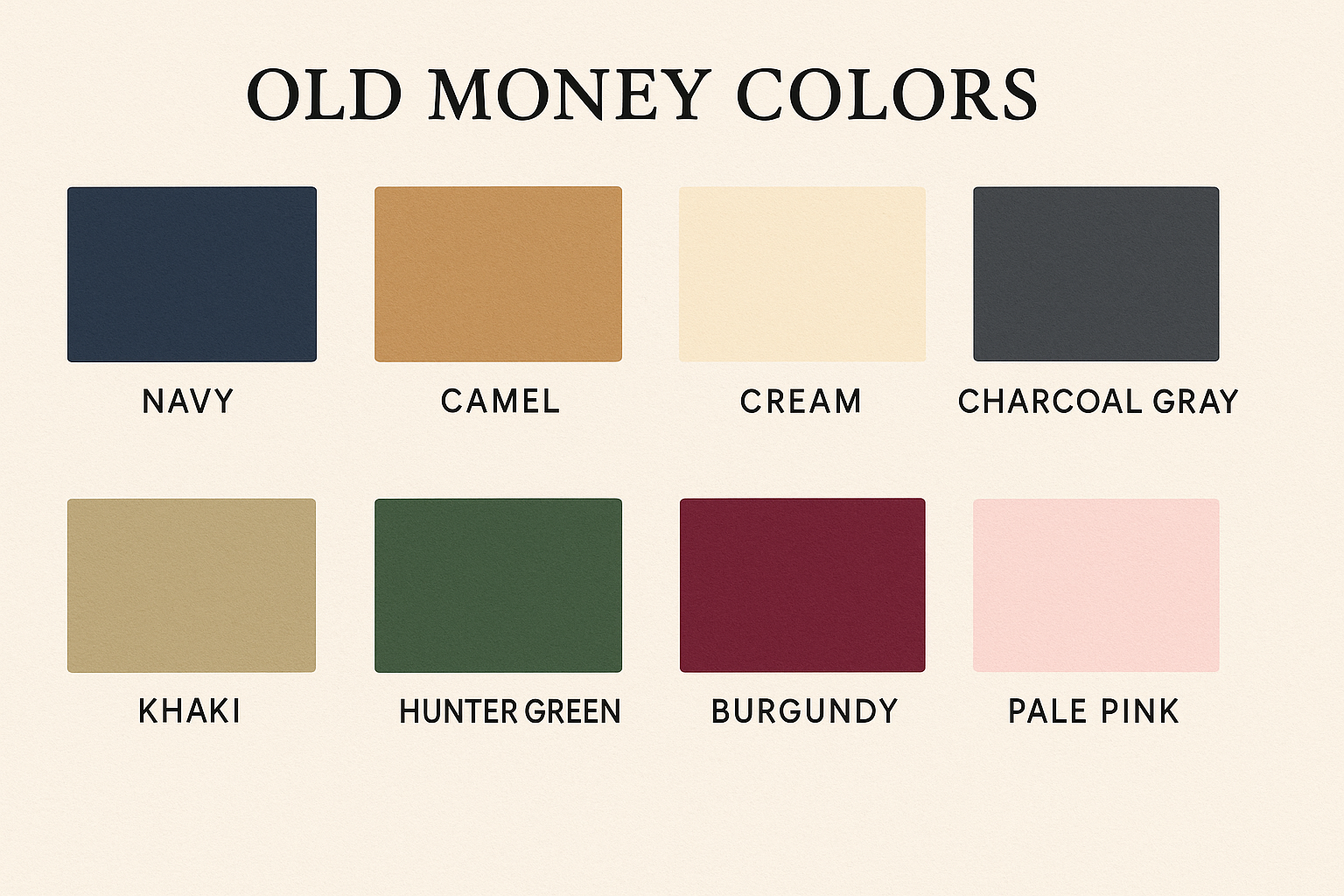
Navy Blue (
#1e3a5f) - Forget black, navy is much more sophisticated. Make it your go-to for trousers, blazers, and coats. It’s timeless and pairs with anything.Camel/Tan (
#c19a6b) - Camel coats and khaki pants scream understated luxury. They channel both British country vibes and classic American prep.Cream/Ivory (
#f5f5dc) - Softer than white, cream is perfect for sweaters, summer pants, and blouses. It doesn’t look too “new” and ages beautifully.Charcoal Gray (
#36454f) - Urban but elegant, charcoal works for both work and play—think tailored jackets and wool trousers.Khaki (
#c3b091) - Chinos, field jackets, and anything outdoorsy. Khaki is classic, connecting you to sailing, equestrian traditions, and more.
Accent Colors: Strategic Pops of Sophistication
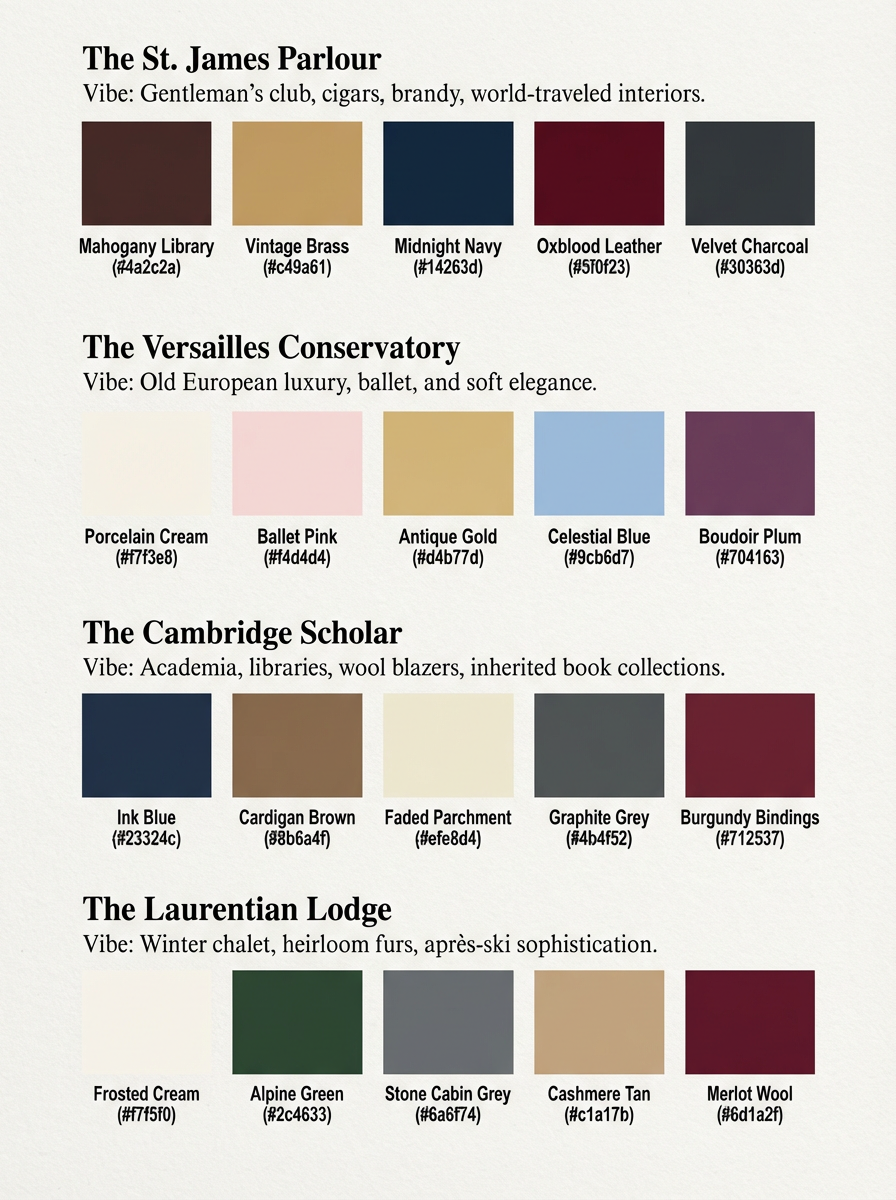
Accent colors in old money dressing are never loud, but they're far from boring.
Hunter Green (#355e3b) - Straight out of the English countryside or Ivy League campus. Ideal for sweaters and accessories—pairs beautifully with neutrals.
Burgundy/Wine (#800020) - Deep, rich, and elegant. Great for leather goods, scarves, or statement coats.
Pale Pink (#fadadd) - Soft and grown-up, never loud. Think cashmere or silk, for blouses and subtle stripes.
Sky Blue (#87ceeb) - Fresh and crisp—perfect for Oxford shirts and summer dresses. Nautical without being costume-y.
How To Switch It Up Seasonally
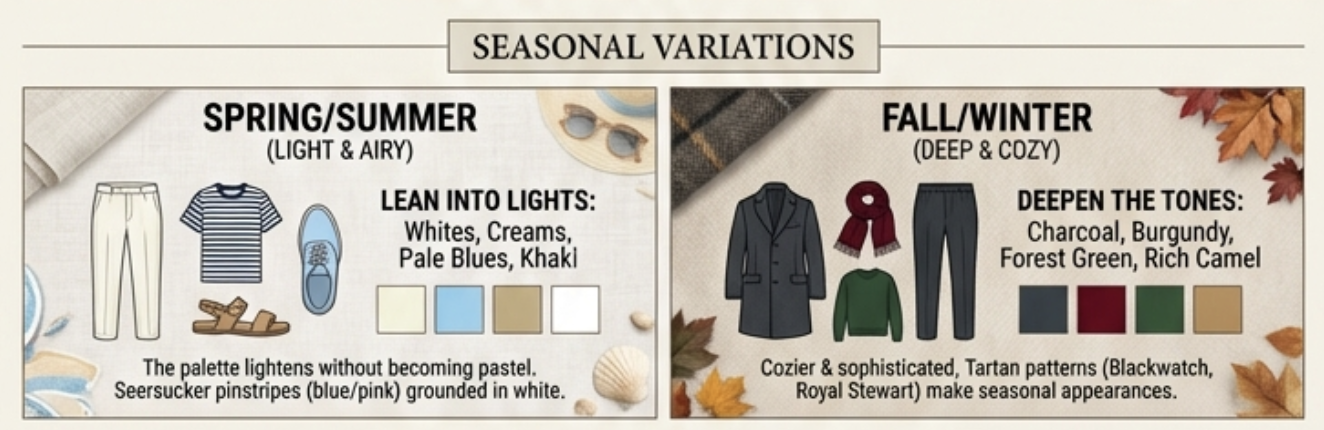
Spring and summer: Reach for creams, whites, pale blues, and khaki—think linen, stripes, and light leather.
Fall and winter: Cozy up with charcoal, burgundy, hunter green, and rich camel. Patterns like tartan get their moment, but always in classic colors.
Mixing Colors Like A Pro
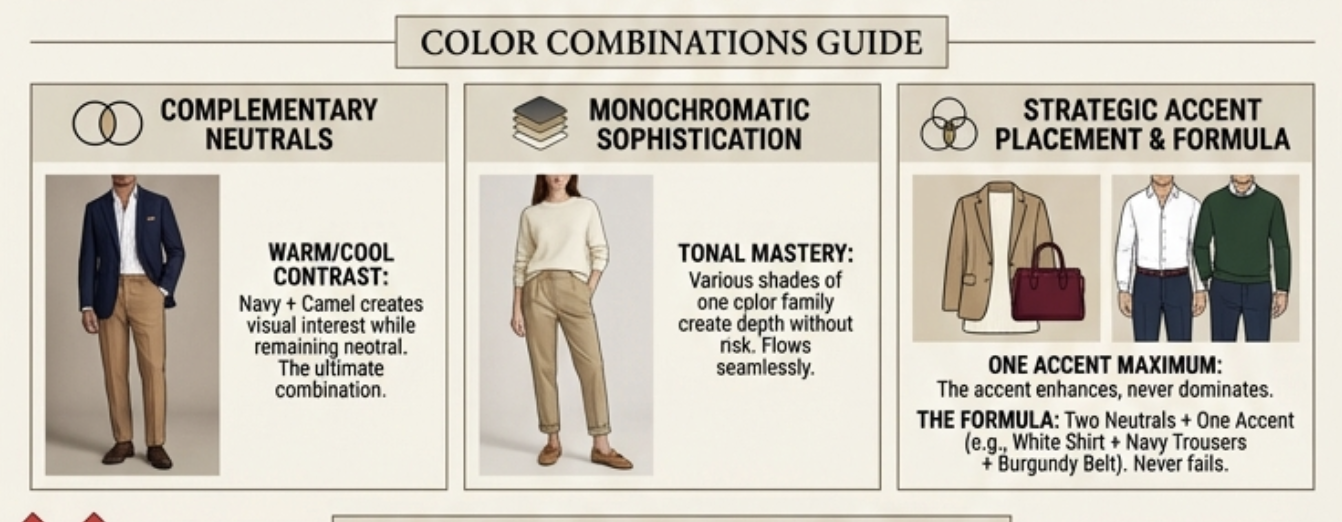
Go Neutral: Pair navy and camel for instant old money vibes—classic and cool.
Monochrome Layers: Stack shades from the same family—like cream, khaki, and tan—for an easy, elegant look.
One Accent, Max: Keep it simple. A burgundy bag with a neutral outfit or a green sweater paired with navy and cream should be your style staples.
Formula to Live By: Two neutrals plus one accent—think white shirt, navy pants, and a burgundy belt. Easy, reliable, always smart.
What To Skip
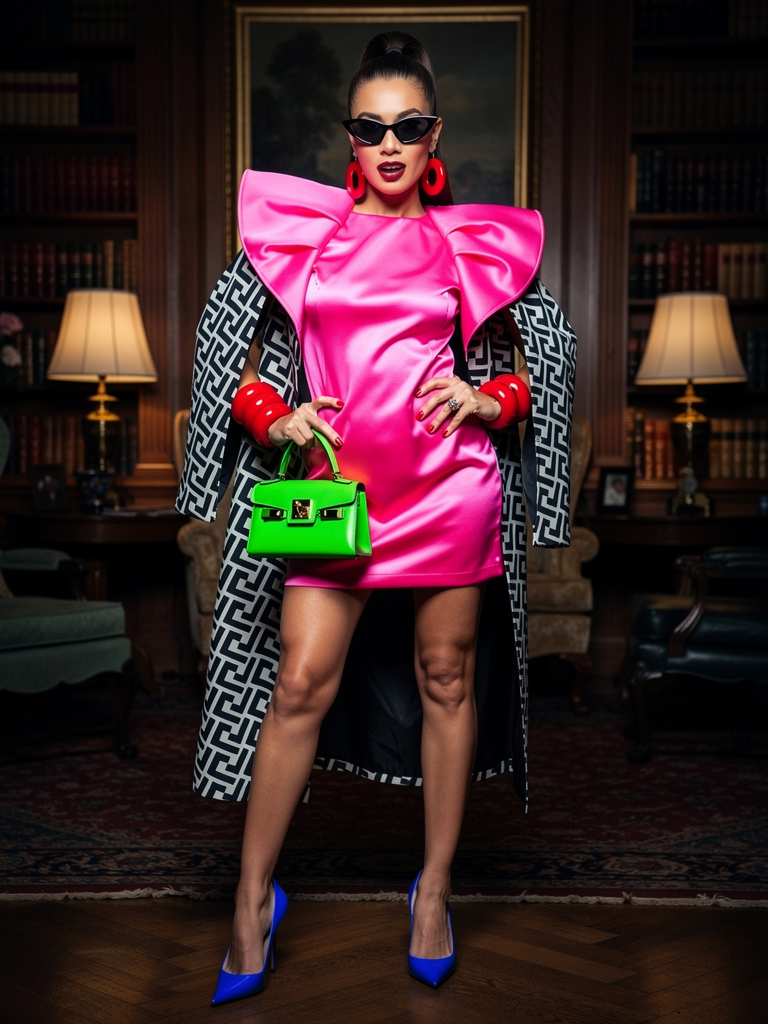
The right way to make a wrong first impression in the old money world. Avoid flashy logos too—they’ll quickly out you as “new money”.
Neons and fluorescents—if it glows, it goes.
Overly trendy shades (like millennial pink or Gen Z yellow)—these date your look fast.
Loud patterns—high-contrast prints and florals are out. Stick to subtle stripes or classic plaids.
Cheap brights—quality shows in color. Opt for rich, natural fibers over synthetic brights.
The old money palette isn’t about limiting yourself—it’s about building a wardrobe that’s polished, easy, and always in style.
Essential Wardrobe Pieces: Building Your Old Money Foundation
Forget closets overflowing with fast fashion—true old money style is all about a curated lineup of forever pieces that mix, match, and never go out of style. Here’s your capsule guide to getting it right:
Tops: The Upper Wardrobe Essentials
Crisp White Button-Down Shirt A must have. Go for real cotton (oxford for casual, poplin for dressier vibes), sturdy collar, and mother-of-pearl buttons—no logos, ever. Works tucked into tailored pants or half-tucked with jeans.
Cashmere Crewneck Sweater in Navy or Camel Cashmere is the old money fiber—soft, refined, and layers over anything. Invest in quality. Cheap cashmere pills and loses its shape.
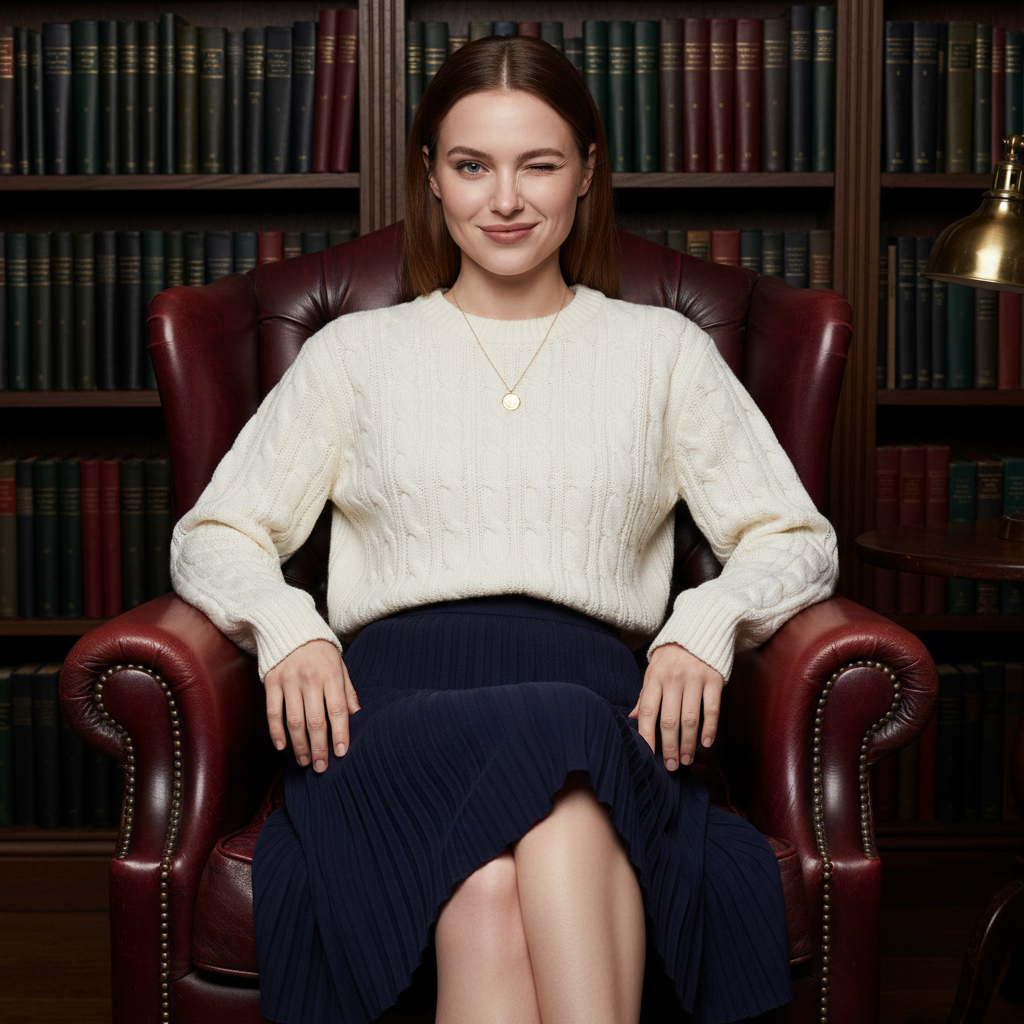
Cable Knit Sweater (Ivory or Cream) Cozy, classic, and channeling East Coast prep. Wear it over shirts or solo for weekend polish.
Silk or Cotton Blouse (Neutral Tones, Classic Cuts) For a feminine edge. Think cream, blush, or sky blue—timeless cuts only, please. The goal: drape, not drama.
Bottoms: The Foundation Below
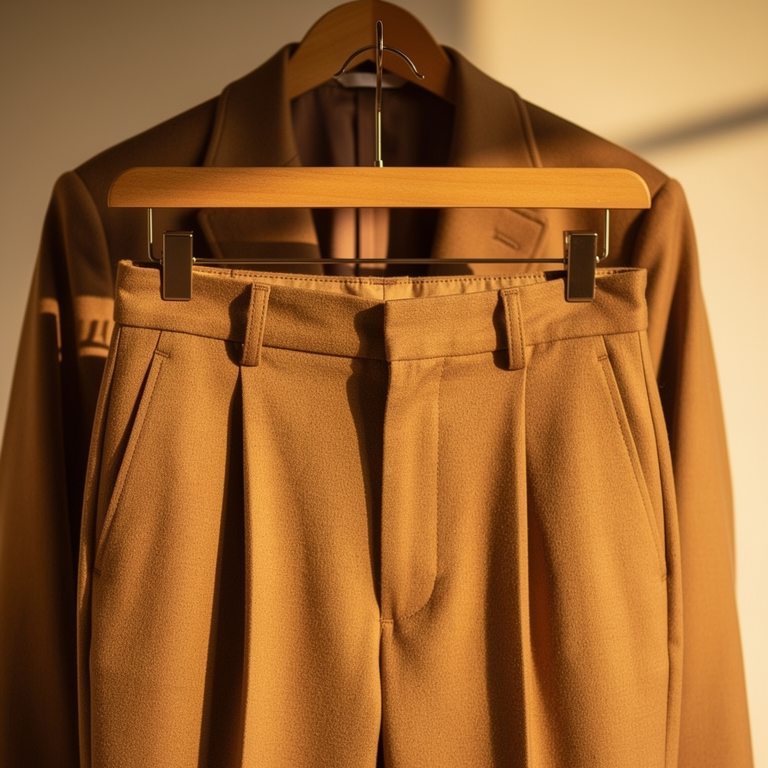
Tailored Trousers: Wool for fall, cotton for summer. Clean lines, great fit, and classic shades like navy, charcoal, or camel. A little tailoring goes a long way.
Dark Wash Straight-Leg or Wide-Leg Jeans: Denim is in—just keep it dark, simple, and fuss-free. No rips or wild washes
Pleated Midi Skirt (Navy, Camel, or Plaid): Navy, camel, or understated plaid. Moves gracefully from office to brunch. Pair with loafers or ballet flats.
Tailored Linen or Cotton Shorts: For summer. Think Bermuda length, structured, and in neutrals—never denim cut-offs.
Outerwear: Investment Layers
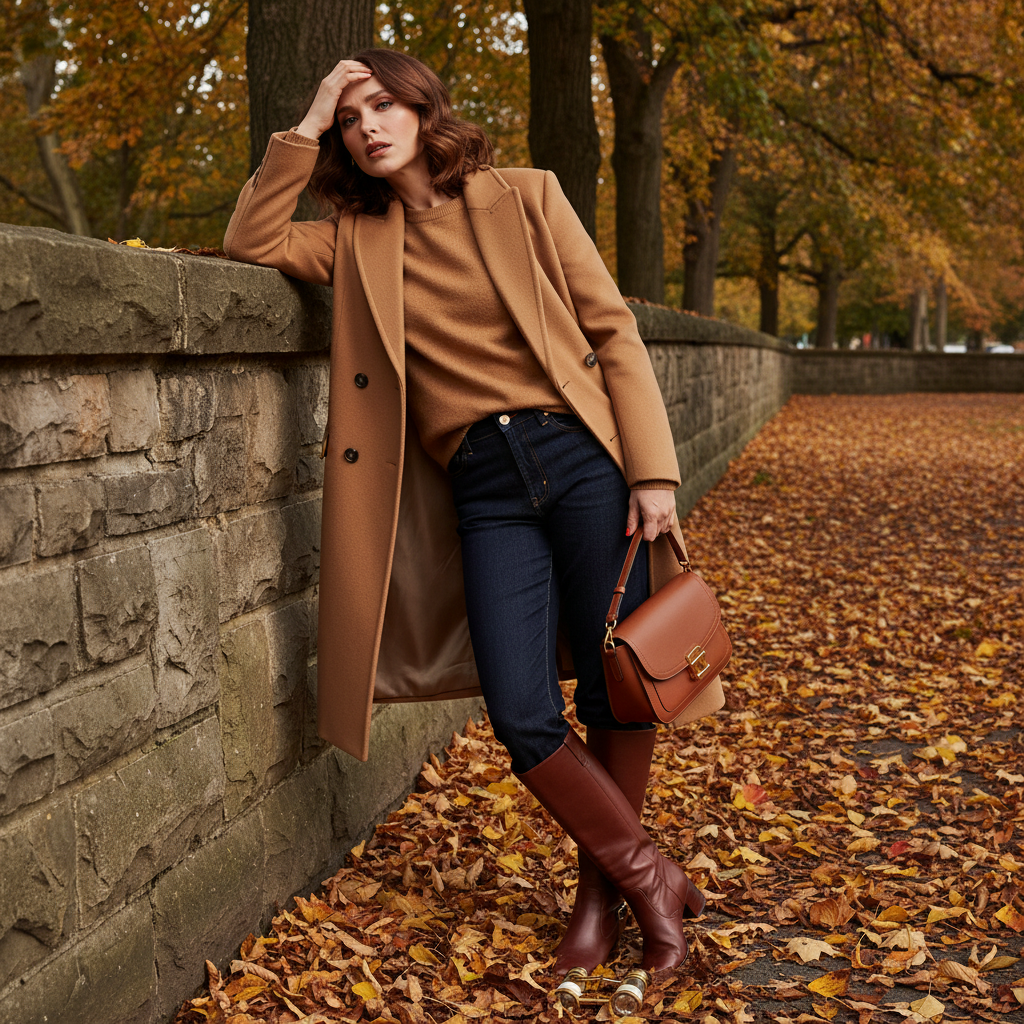
Trench Coat (Burberry-Style, Beige or Navy): The ultimate classic. Beige or navy, double-breasted, belted—channel your inner icon.
Wool Peacoat or Blazer (Navy Essential): Sharp, versatile, and works everywhere. Tailor for a perfect shoulder fit.
Camel Coat (Investment Piece): The elegant finishing touch for winter. Go long, go luxe.
Quilted Jacket (Barbour-Style) Weekend-ready, especially in olive or navy. Practical, but never sloppy.
Shoes: From Ground Up
Leather Loafers (Penny or Horsebit): Solid leather, clean lines. Heritage brands if you can—Gucci, Bass, or Tod’s.
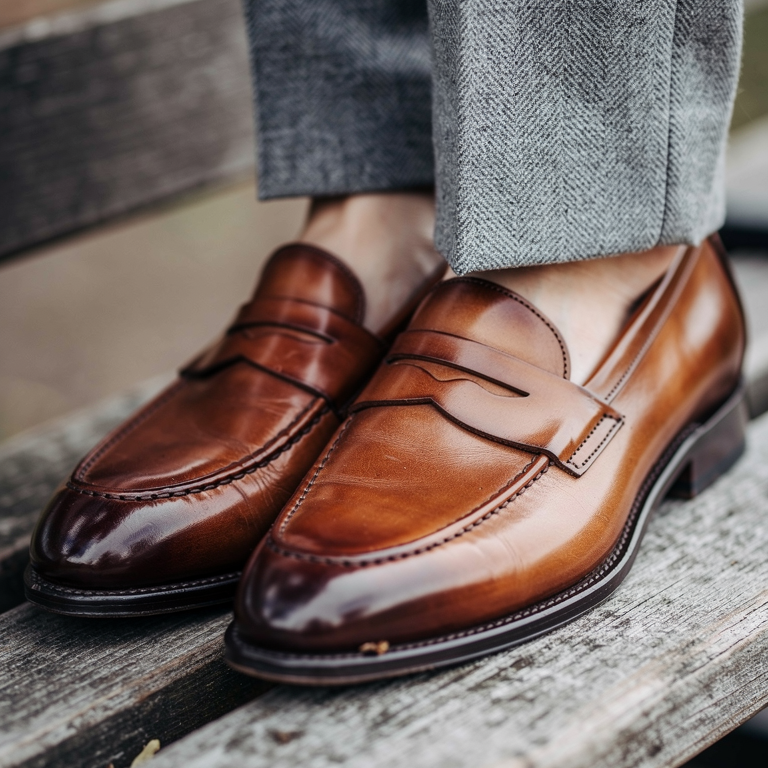
Ballet Flats (Neutral Leather): Simple, neutral leather. A tiny heel keeps them chic.
Riding Boots: Brown leather, knee-high. Instantly elevates jeans or skirts.
White Leather Sneakers: Think Common Projects or Stan Smiths—sleek, low-key, and always fresh.
Boat Shoes or Driving Moccasins Summer essentials, best in leather. Sperry or Tod’s for authentic vibes.
Accessories: The Finishing Details
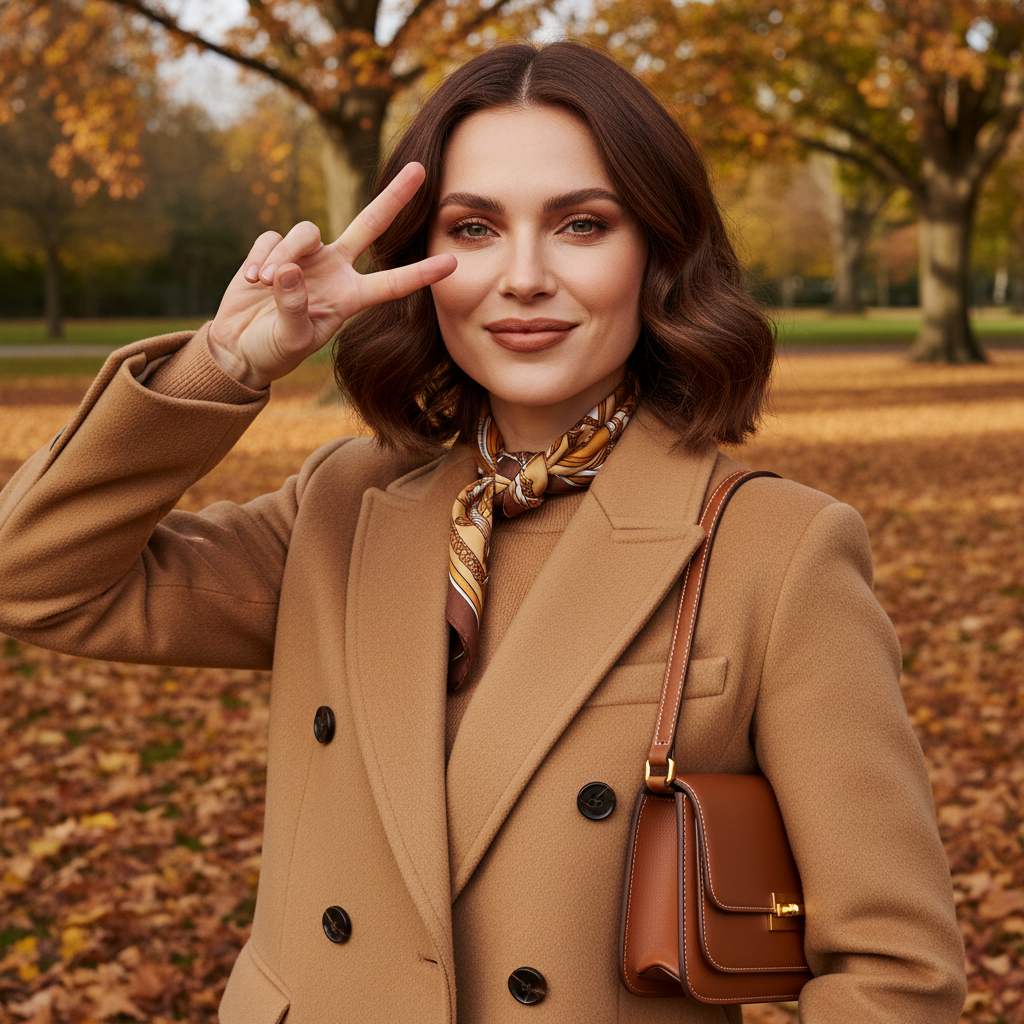
Leather Belt: Classic buckle, no logos. Match your shoes.
Silk Scarf: Think Hermès prints or vintage finds—wear on your neck, bag, or as a headband.
Structured Leather Handbag (Tan, Navy, or Black) Shape matters—no floppy totes.
Pearl Studs or Simple Gold Jewelry: Subtle wins. Pearls, slim hoops, delicate chains—nothing flashy.
Leather Watch with Simple Face: Understated, slim, and classic. Less is more.
The Old Money Styling Formula: Effortlessly Chic Made Simple
Old money style is all about mixing timeless pieces with classic styling rules. Think understated elegance—pulled together but never fussy. Here are four go-to outfit formulas that always nail that “polished, but didn’t try too hard” vibe:
The Weekend Formula: Casual Sophistication
The Outfit: Cable knit sweater (cream or ivory) + straight-leg dark wash jeans + leather loafers (brown or burgundy) + structured leather tote (tan or navy) + minimal gold jewelry
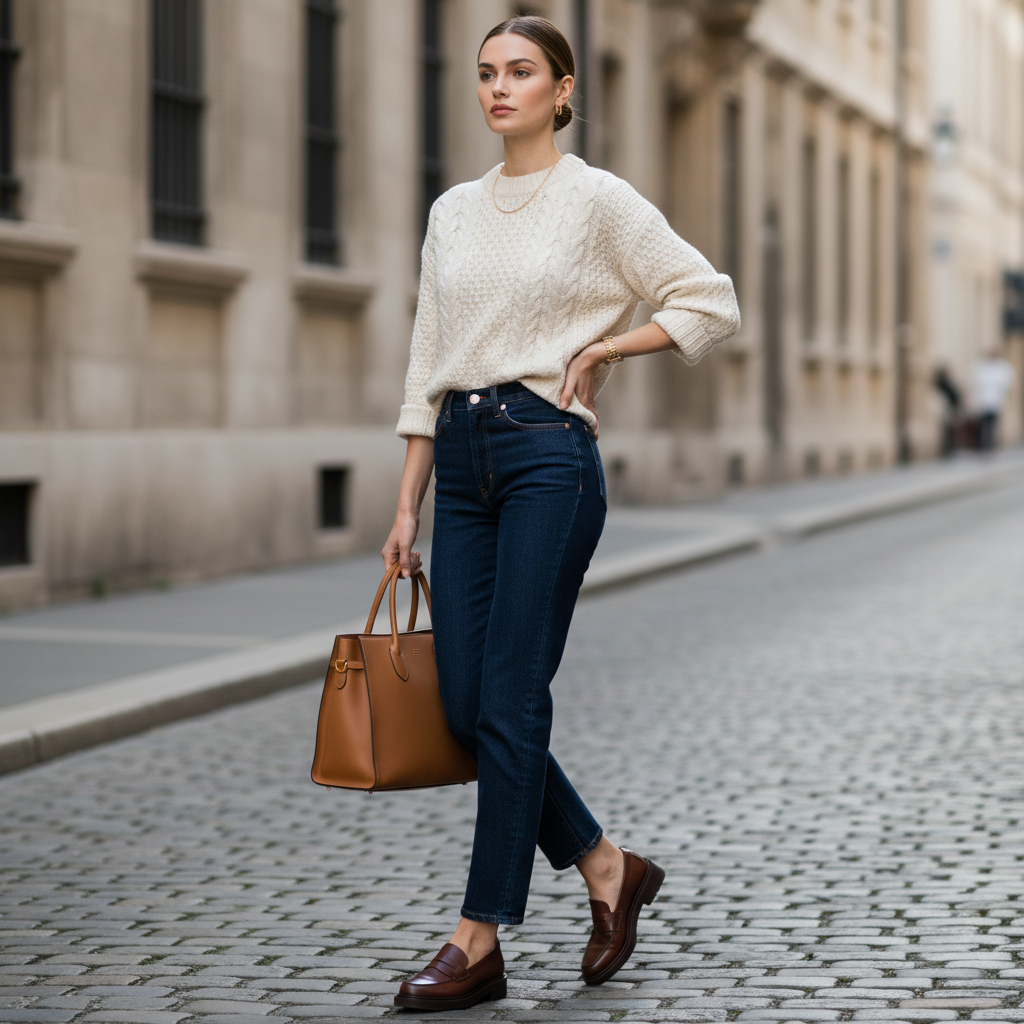
Why It Works: The cable knit provides texture. Dark wash jeans ground in contemporary casual. Loafers instead of sneakers elevate. The structured tote (never a canvas bag or backpack) maintains polish, while minimal jewelry keeps the focus on quality pieces rather than accessory overload.
Styling Note: Roll the sweater sleeves once to show the watch and any delicate bracelets. If wearing a collared shirt underneath, let just the collar peek out—this layering adds depth without bulk.
The Office Formula: Timeless Professional

The Outfit: Crisp white button-down (tucked) + tailored wool trousers (navy or charcoal) + navy blazer + leather pumps or loafers + structured leather handbag + pearl studs + simple watch
Why It Works: The white oxford shirt provides crisp contrast against darker trousers and blazer. By choosing quality over trend, you signal competence and seriousness. Pearl studs are elegant enough for important meetings, understated enough for daily wear.
Styling Note: The secret? Perfect fit and premium fabrics. Top it off with a loosely tied silk scarf for a hint of flair.
The Summer Garden Party: Feminine Without Fuss
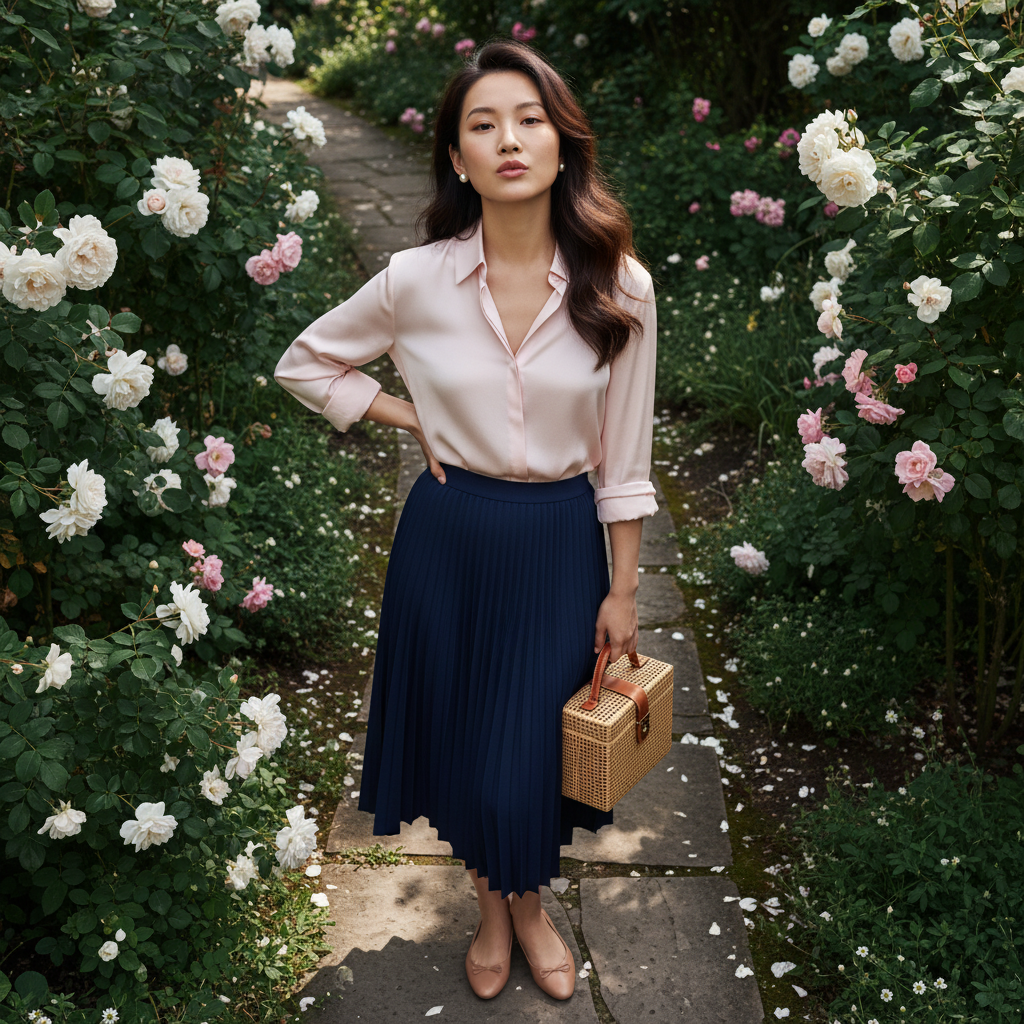
The Outfit: Silk or cotton blouse (pale pink or sky blue) + pleated midi skirt (navy or camel) + ballet flats (nude or navy leather) + pearl studs + woven or structured bag (natural or tan) + delicate gold necklace
Why It Works: The silk blouse offers luxurious drape. The pleated midi skirt provides femininity with appropriate coverage (old money errs conservative). Ballet flats are elegant but practical for garden parties, outdoor events, or anywhere heels would sink into grass. The woven bag (think structured straw or rattan) nods to summer without looking beachy or casual. As always, pearls are always appropriate—the jewelry equivalent of a navy blazer.
Styling Note: Tuck the blouse loosely into the skirt waistband, allowing slight blousing. If temperatures rise, a linen or cotton cardigan in cream draped over shoulders maintains polish.
The Fall Countryside: Layered Textures
The Outfit: Turtleneck (cream, navy, or camel) + wool trousers (charcoal or khaki) + trench coat or camel coat + leather loafers or riding boots + silk scarf + leather crossbody or tote + simple watch
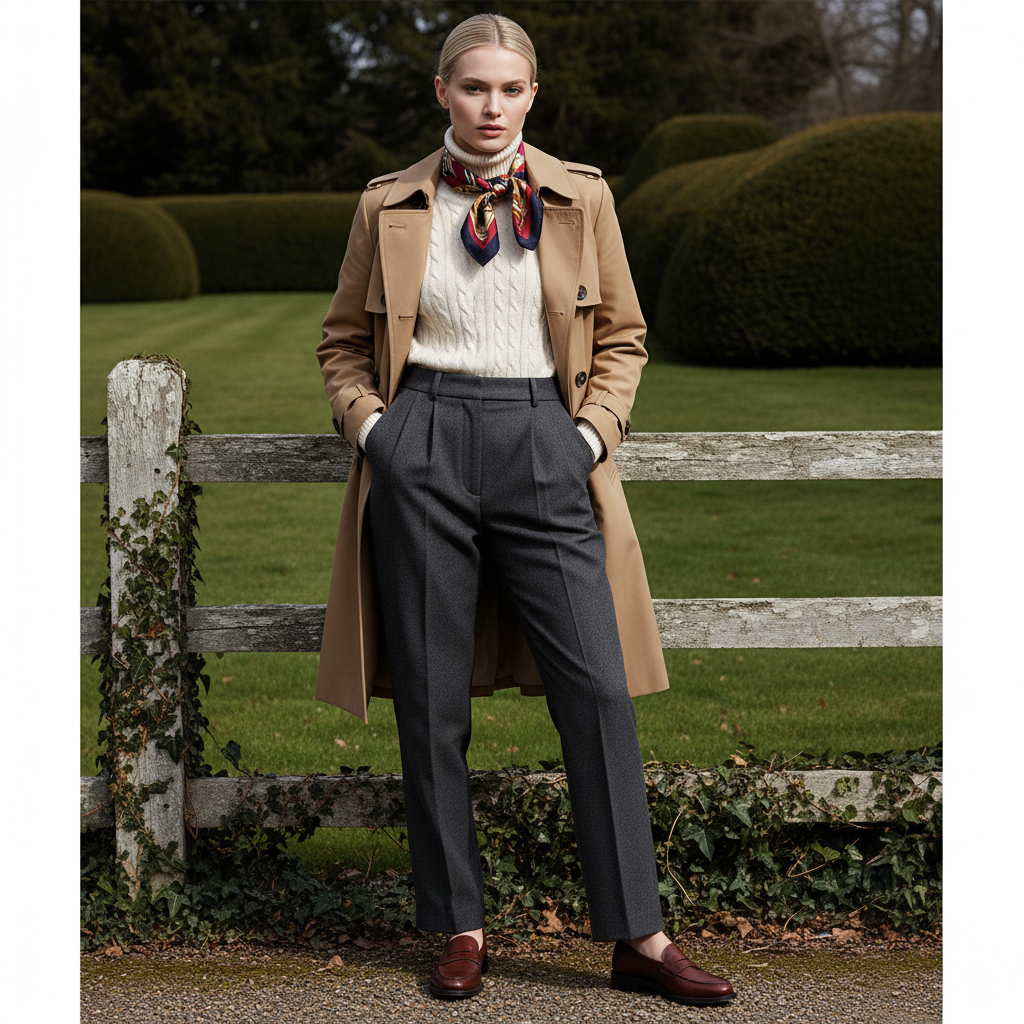
Why It Works: The turtleneck provides a clean, sophisticated base layer/ Wool trousers offer warmth and structure while maintaining clean lines. The coat is the statement piece here—a classic trench or camel coat instantly communicates investment dressing and timeless taste. Riding boots connect to equestrian heritage. The silk scarf adds a pop of pattern or color.
Styling Note: Try tying the scarf in different ways—classic loop, loose drape, or even tucked into the coat for just a hint of pattern at the neckline. Let the coat remain unbuttoned for a more relaxed silhouette, or belted for definition.
Universal Styling Principles: The Rules That Always Apply
Rule of Thirds = Perfect Proportion Old money style is about balance. Pair longer tops—like tunic sweaters or oversized blazers—with slimmer bottoms. Wide-leg pants? Go for a fitted top. Aim for tops that hit about one-third down your body, with bottoms making up the other two-thirds. That’s the secret to a flattering silhouette.
One Statement Piece Max Keep it simple: let one item steal the show. If you’re rocking a camel coat or bold scarf, keep everything else neutral and understated. Old money never competes for attention; there’s always just one clear focal point.
Accessories Whisper, Not Shout Think delicate jewelry, classic sunglasses, and structured bags—no chunky or logo-heavy pieces here. Accessories finish your look, but you could take them off and still look pulled together.
Fabric Quality Over Trend Quality trumps everything. A basic cashmere sweater will always look richer than the latest trendy acrylic. Natural fibers—wool, cotton, silk, linen, cashmere—are your best friends.
Fit Is Everything Tailoring is non-negotiable. Proper fit elevates even budget pieces to old money status. Hem your pants, adjust sleeves, make sure shoulders fit—then you’re golden.
Effortless Overstudied The goal: look like you just threw it on (even if you didn’t). A loosely-tied scarf, casually rolled sleeves, a low ponytail—these little touches keep your style relaxed, never overdone.
Fabrics & Quality Markers: Spotting True Luxury, Made Easy
What really sets old money style apart? It’s not just the price tag—it’s the quiet confidence of well-made clothes. Here’s how to shop smart, so you get real value (not just a famous label).
Natural Fibers: Always in Style
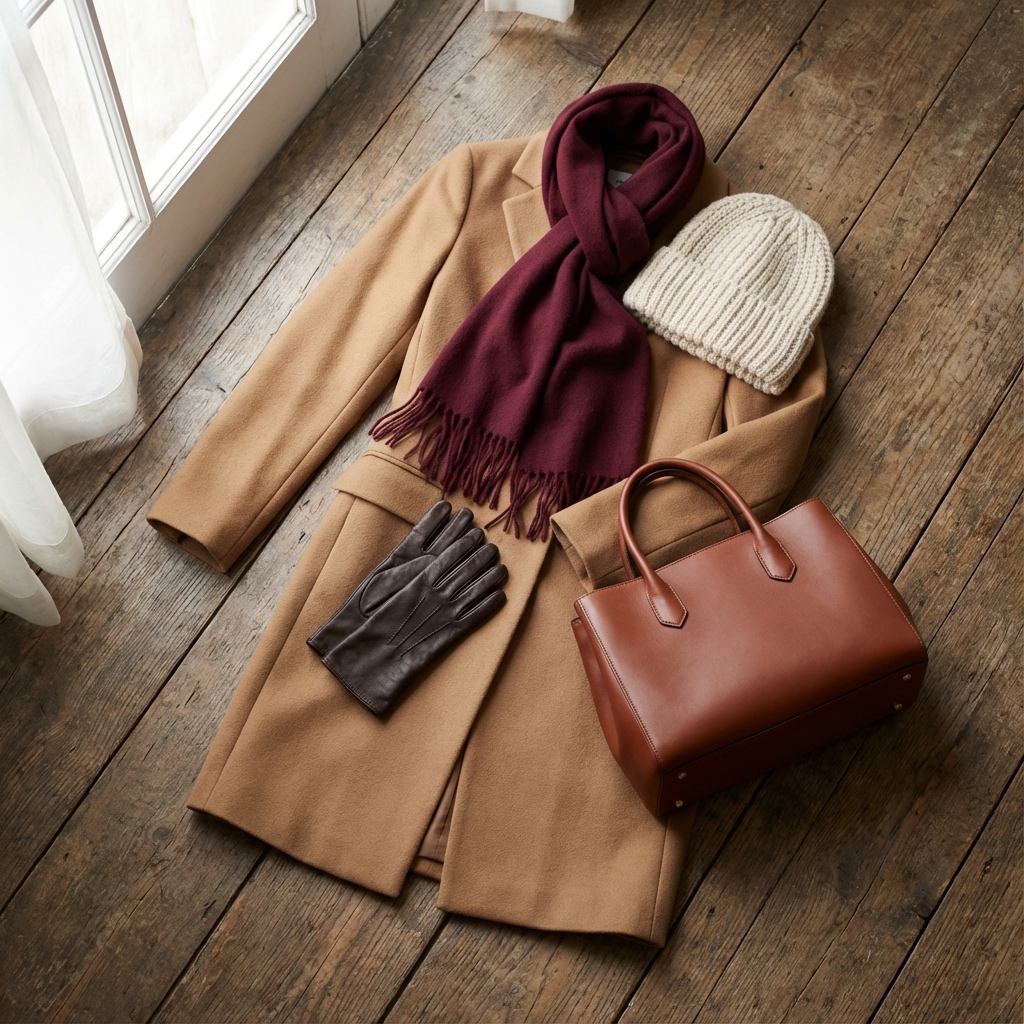
Cotton: Go for high thread counts and a soft, sturdy feel. Egyptian or Pima cotton is top-notch.
Wool: A must for outerwear. Look for smooth, springy wool—Super 100-120 is a sweet spot for everyday wear. Merino is extra soft.
Cashmere: The gold standard. It should feel lusciously soft and have a bit of weight. Two-ply is better.
Silk: Real silk is cool to the touch, drapes beautifully, and has a gentle sheen.
Linen: Look for tightly woven, slightly textured linen (Irish or Belgian is premium). Good linen wrinkles, but doesn’t look messy.
These fabrics breathe, regulate temperature, and age gracefully—unlike synthetics, which look tired fast.
Construction: Details Matter
French Seams: Check inside—neatly tucked seams mean quality.
Lined Pieces: A proper lining feels smooth and helps clothes last. Sloppy linings are a red flag.
Pattern Matching: Stripes and plaids should line up at the seams. If not, it’s a shortcut.
Buttonholes: Hand-stitched or dense, neat machine buttonholes signal care. Loose threads? Not good.
Mother-of-Pearl Buttons: They’re cool to the touch and slightly varied. Plastic is always uniform and feels cheap.
Interfacing: A great blazer or coat uses canvas for shape, not glued-in cardboard. Press on the lapel—it should bounce back, not crunch.
Hardware: The Little Things
Brass & Steel: Quality bags and belts use solid metal that ages well. Zippers should say YKK or a premium brand—these won’t jam.
Real Leather Accents: Full-grain or top-grain leather feels and smells real; avoid anything “bonded” or overly perfect.
Functionality: Zippers, snaps, and buckles should work smoothly. If they don’t, walk away.
Labels: Subtlety Wins
Low-Key Logos: The best brands barely show their name. Think tiny details, like a discreet pattern or emblem, not giant logos.
Heritage Touches: Unique buttons, special linings, or signature stitching are insider signals of quality.
Quality First: A gorgeous no-name sweater beats a flashy designer logo on cheap fabric, every time.
Invest vs. Save: Spend Wisely
Splurge On: Classic outerwear, shoes, bags, and perfect-fit blazers or wool trousers. These get lots of wear and last for years.
Save On: Basics like tees and layering pieces, or anything super trendy. Even affordable brands can do these well.
Final test: Ask yourself, “Will I love this in five years?” If yes—and the quality checks out—it’s worth it. If not, keep your money for something that is.
Where to Shop by Budget: Building Your Old Money Wardrobe
You can emulate the old money aesthetic at multiple price points, just understand where to allocate your budget for maximum impact. Here's your shopping guide, organized by investment level, with specific brand recommendations.
Investment/Heritage Brands: Pieces That Last Decades
The brands old money families have patronized for generations. The price tags are substantial, but so is the longevity and quality.
Loro Piana - Known for exceptional cashmere, their Storm System fabric is weather-resistant luxury. Expect to invest $2,000-6,000+ for coats and knitwear. Best for: Cashmere sweaters, camel coats, luxury basics that you'll wear until you physically can't anymore.
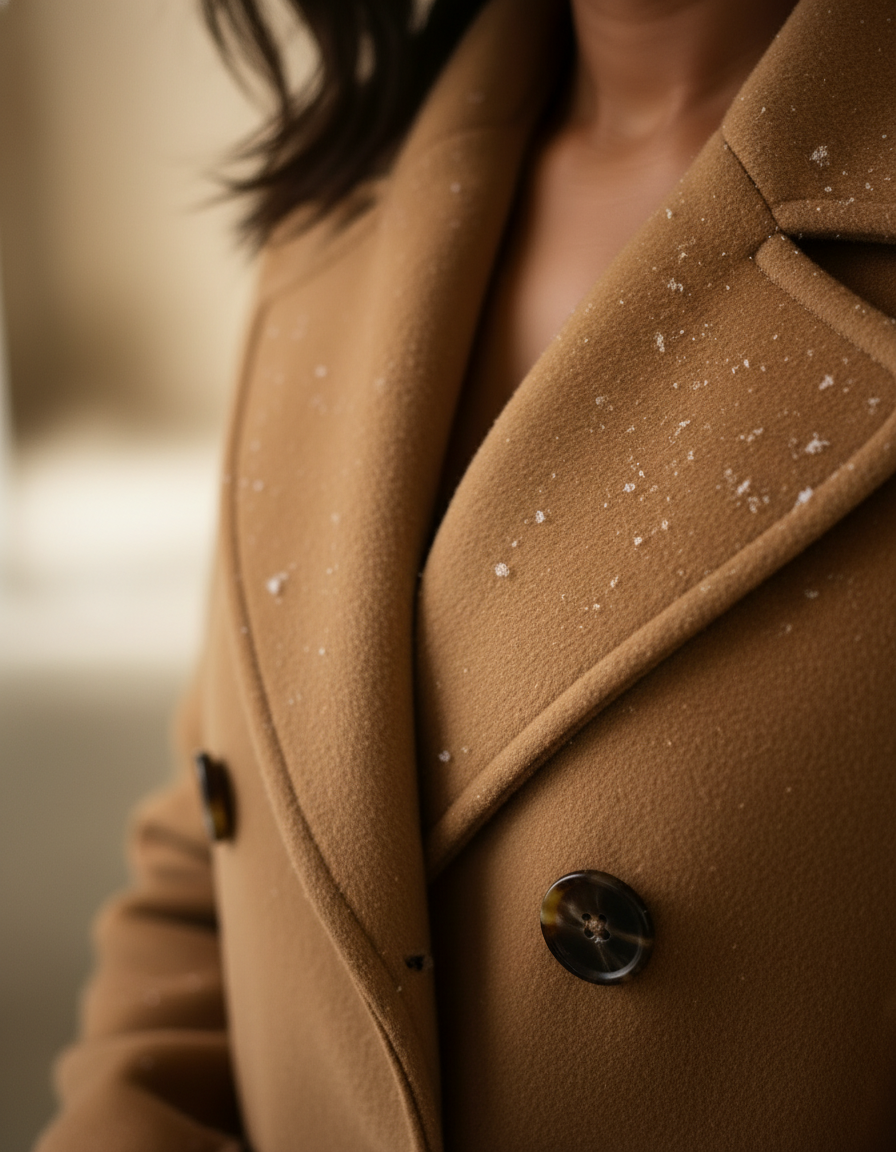
Brunello Cucinelli - Italian excellence in neutral-toned luxury. Impossibly soft cashmere and impeccable tailoring. Price range: $1,000-$5,000+ per piece. Best for: Investment knitwear, tailored trousers, blazers that become family heirlooms.
Max Mara - Famous for the 101801 camel coat, a piece so iconic it's in museum collections. Italian craftsmanship, timeless cuts, exceptional fabrics. $1,000-$3,000+ for coats. Best for: THE camel coat, wool coats, tailored pieces that define Italian elegance.
Hermès - Beyond the Birkin bags, Hermès offers extraordinary silk scarves ($425-$550), cashmere, and leather goods lasting lifetimes. Best for: Silk scarves, leather belts, small leather goods, and if your budget allows, handbags that appreciate in value.
Burberry - The trench coat originated here, and their heritage pieces (not the logo-heavy fashion line) remain investment-worthy. $1,500-$3,000 for iconic trenches. Best for: The definitive trench coat, classic scarves with subtle check.
When to Consider Investment Brands: Signature pieces you'll wear hundreds of times over decades. A camel coat, a perfect navy blazer, a cashmere sweater in your core color—these justify premium pricing. Calculate cost-per-wear over 10-20 years, and suddenly $2,500 for a coat that lasts two decades becomes $125 per year, $12.50 per season.
Mid-Range Quality: Building Your Foundation
This tier offers excellent quality-to-price ratio—perfect for building your core wardrobe without requiring trust fund budgets.
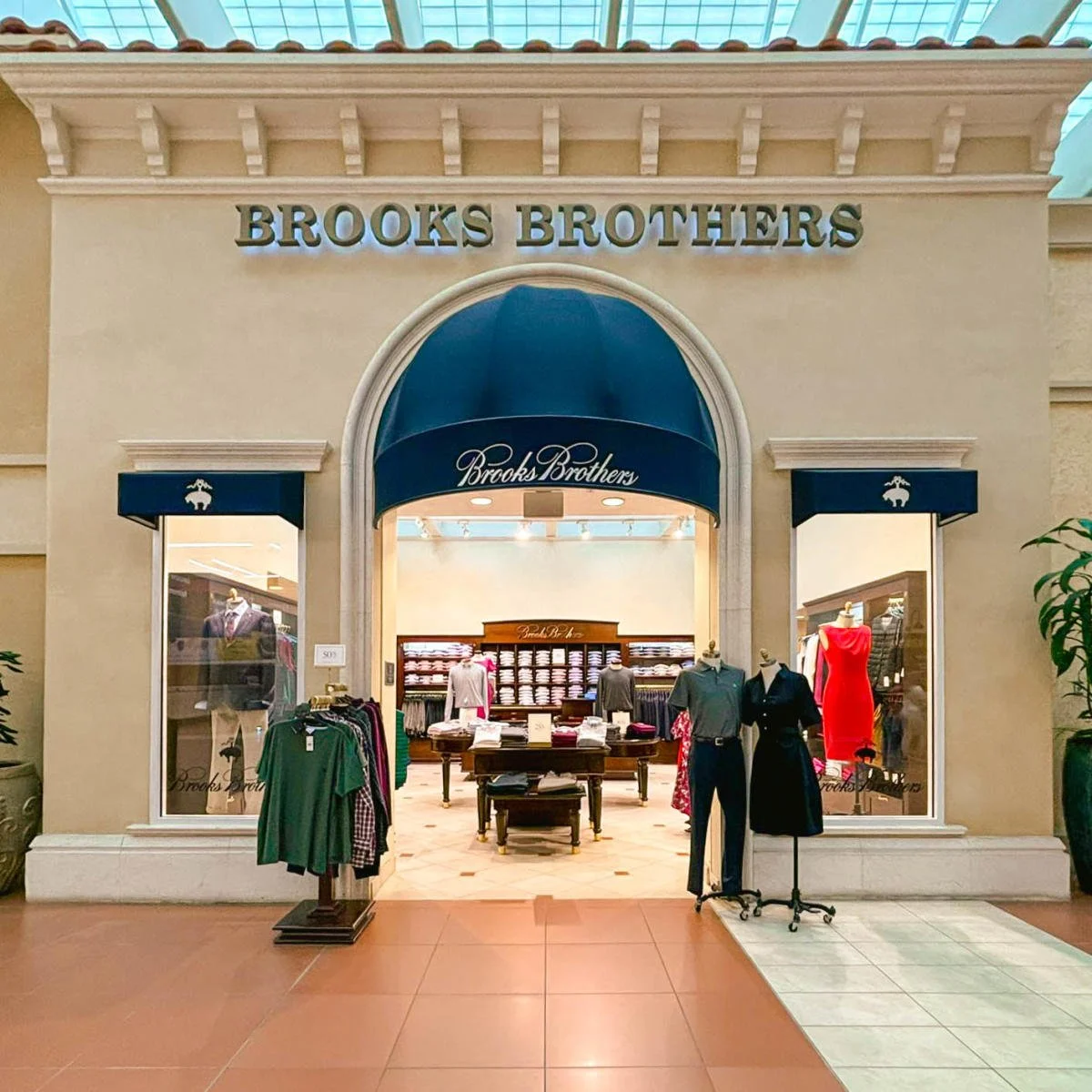
Image Source: Palm Beach International Airport
J.Crew - American prep at accessible prices, especially during sales. Their Ludlow blazers, cashmere (during promotions), and Italian wool trousers offer remarkable value. $100-$450 per piece. Best for: Tailored trousers, blazers, cotton button-downs, summer chinos, and accessible cashmere when on sale.
Brooks Brothers - Heritage American brand (founded 1818) offering classic prep essentials. $125-$600 per piece. Best for: Oxford cloth button-downs, navy blazers, professional suiting, and preppy staples with genuine heritage.
Everlane - Transparent pricing and quality basics. $60-$300 per piece. Best for: Cashmere crews and cardigans, The Day Boot (Chelsea boots), Italian leather bags, and ReNew outerwear.
Massimo Dutti - Zara's sophisticated older sibling, offering better fabrics and construction with European polish. $100-$350 per piece. Best for: Tailored pieces, leather goods, seasonal coats, and polished work wardrobe staples.
When to Shop Mid-Range: Building your foundational wardrobe, professional pieces you'll wear weekly, and items where quality matters but you're not keeping them for decades. This tier offers the best balance for most people.
Accessible Options: Smart Shopping Without Sacrifice
These brands prove you don't need deep pockets to embrace old money aesthetic—you need discernment and strategic shopping.
& Other Stories - H&M's premium line with better construction and more sophisticated aesthetic. $60-$250 per piece. Best for: Silk blouses, knitwear, dresses for special occasions, and feminine pieces with European flair.
Nordstrom (house brands) - Nordstrom Signature and Treasure & Bond offer quality at accessible prices with easy returns. $40-$250 per piece. Best for: Basics, cashmere during Anniversary Sale, work pieces, and building wardrobe with excellent return policy.
Banana Republic - Elevated Gap with more sophisticated cuts and better fabrics. Watch for sales. $60-$250 per piece. Best for: Work trousers, blazers on sale, Italian leather accessories, and polished casual pieces.
L.L.Bean - American heritage brand offering genuine quality, particularly in outerwear and boots. Lifetime guarantee on most items. $75-$300 per piece. Best for: Bean Boots, field jackets, canvas totes, and durable outdoor-meets-prep pieces.
When to Choose Accessible Brands: Trendy pieces you're experimenting with, basics no one sees (undershirts, layering pieces), items you'll replace frequently, or when building your initial wardrobe before upgrading. Quality varies within these brands—read reviews and inspect carefully.
Secondhand/Vintage: The Smart Money Move
The savviest old money shoppers know that secondhand luxury often delivers better value than new mid-range pieces. Bonus: vintage and pre-owned are more sustainable.
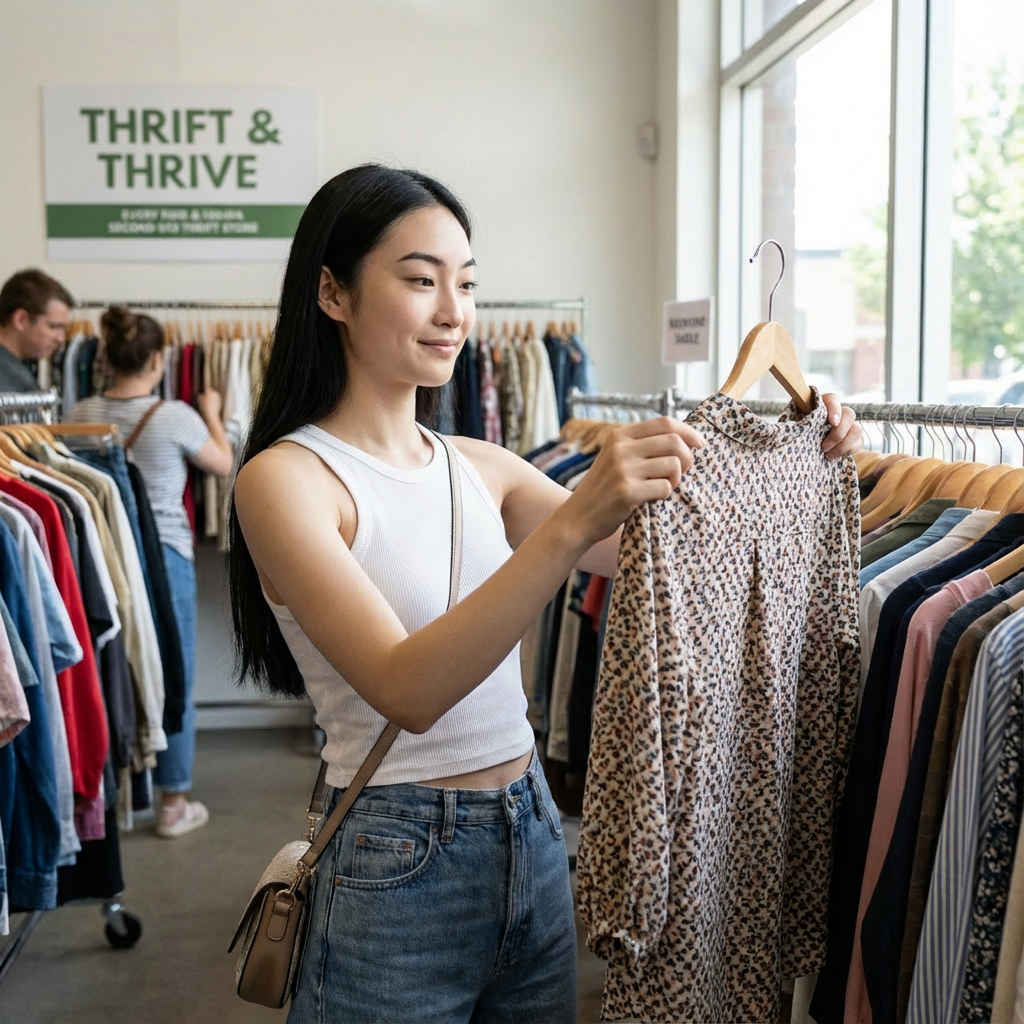
Rebag - Specializes in authenticated designer handbags with transparent pricing. Best for: Luxury bags in excellent condition, particularly classic shapes that never date.
Poshmark - Peer-to-peer resale app with strong US presence. Less curation than luxury sites but great deals. Exercise caution and ask detailed questions. Best for: Contemporary brands at steep discounts, J.Crew and similar pieces, and budget-friendly secondhand shopping.
Local Consignment Shops - Physical stores in affluent areas (think Upper East Side NYC, Beacon Hill Boston, Pacific Heights SF) often carry incredible pieces. Build relationships with owners who'll notify you of new arrivals. Best for: Trying before buying, discovering unexpected gems, and supporting local businesses.
Goodwill/Thrift Stores in Wealthy Areas - Greenwich CT, Wellesley MA, Highland Park IL—shop where old money lives. You'll find Hermès scarves for $25, cashmere for $20, and investment pieces donated when closets are refreshed. Best for: Treasure hunting, bargains, and supporting charitable causes.
Vintage Shopping Tips: Know your measurements. Inspect for moth holes, stains, and unrepairable wear. Vintage sizing runs smaller—a vintage 12 may be a modern 8. Factor in dry cleaning costs. Authentication is crucial.
Beyond Fashion: The Old Money Lifestyle
Old money aesthetic isn’t just about how you dress, it’s a complete way of life. Think tradition, quiet confidence, lifelong learning, and culture. Here’s what sets the old money crowd apart.
Home Aesthetic: Understated Elegance in Every Room
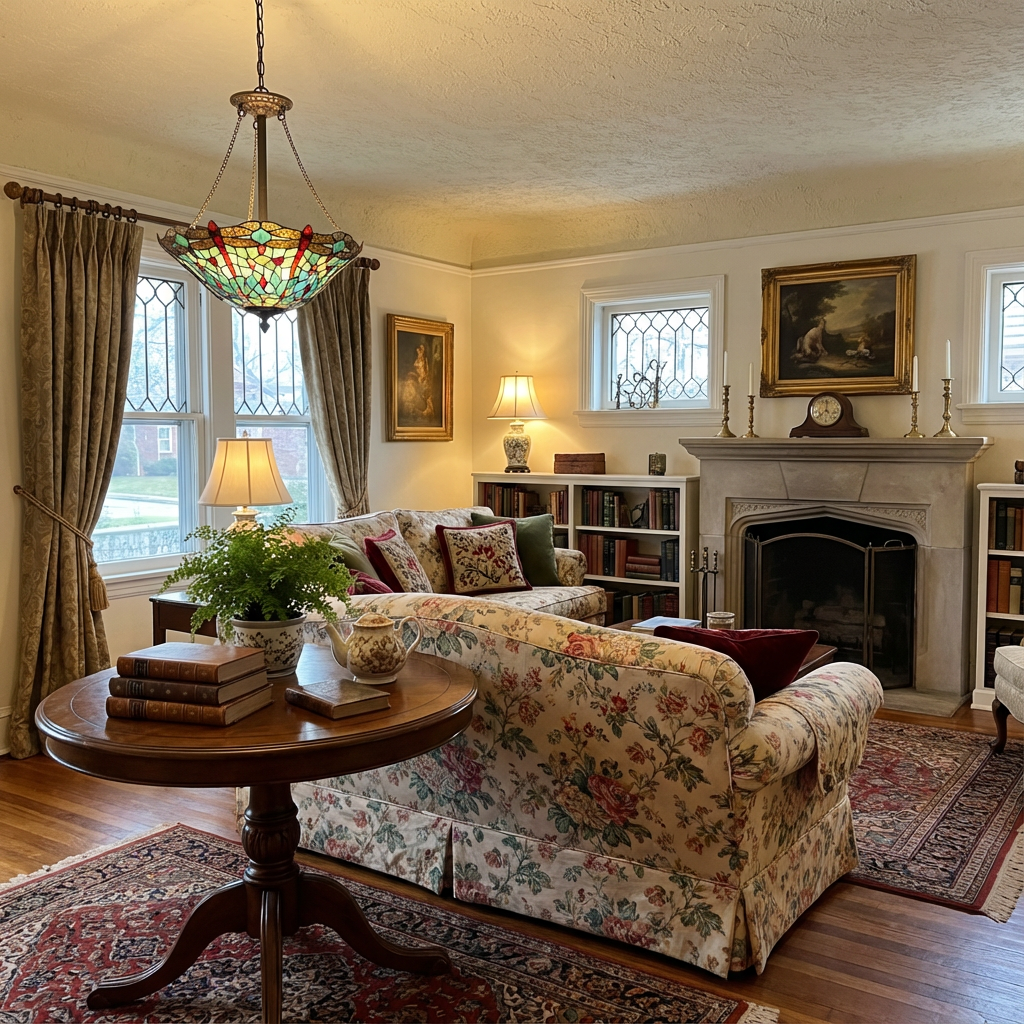
Their homes echo their wardrobes: quality over quantity, classic over trendy. Picture antique furniture (Chippendale chairs, mahogany bookcases), Persian rugs softened with age, and art in gilded frames. Rooms feel collected over generations, not just decorated. Colors? Deep blues, forest greens, burgundies, and warm neutrals—never stark or flashy. Heirlooms tell family stories, from monogrammed linens to inherited silver. Even the details matter: fresh flowers, real candles, and shelves brimming with books read.
Leisure: Honoring Tradition
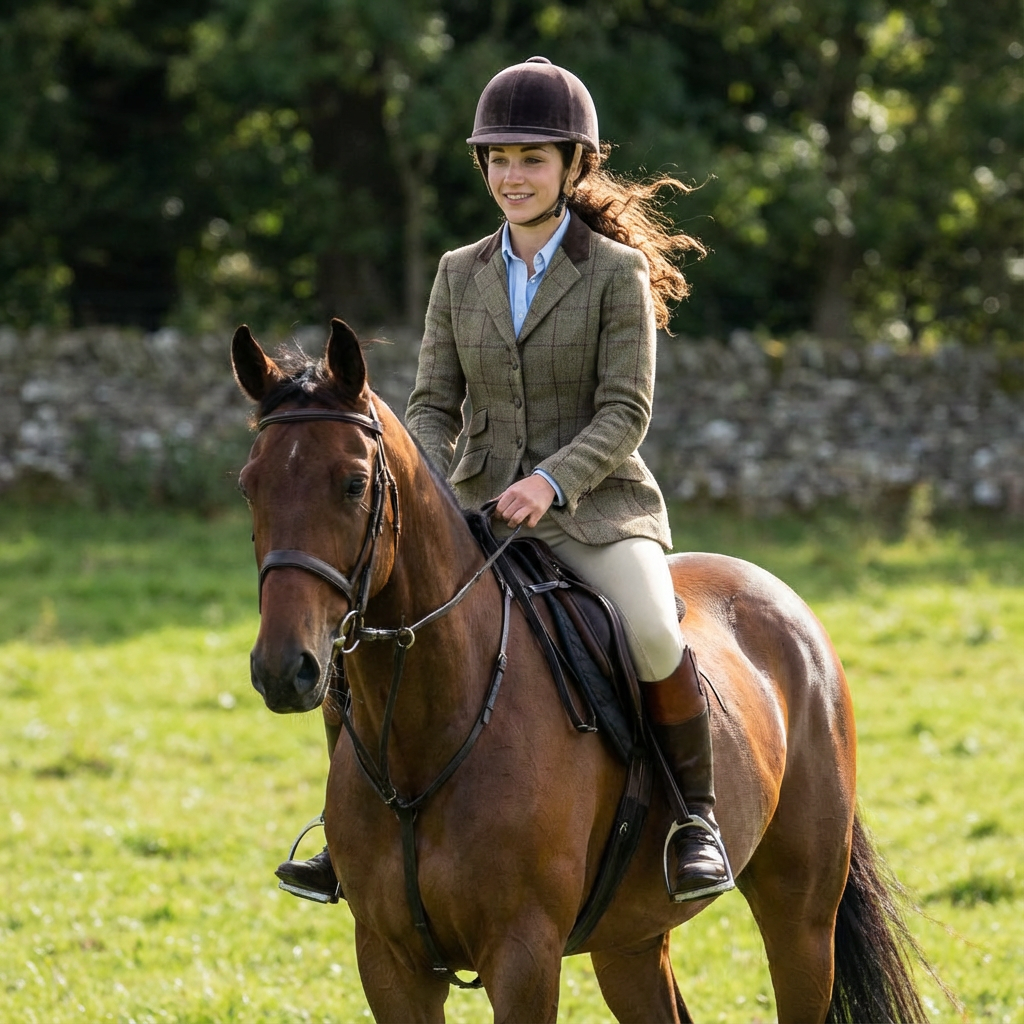
Old money leisure time revolves around specific activities—some practical, some purely social, all deeply traditional.
Tennis: Tennis represents accessible athleticism and social networking. Many old money families have courts at summer homes or belong to clubs with grass or clay courts.
Sailing: Particularly prevalent in New England, the Great Lakes, and coastal enclaves. This isn't flashy yachting—it's practical seamanship, racing small sailboats, understanding tides and winds.
Horseback Riding: Equestrian culture runs deep in old money circles, from English-style riding to fox hunting (where still legal) to polo. It's expensive, requires commitment, and connects to landed gentry traditions.
Golf: The ultimate networking sport. Private clubs with strict dress codes, inherited memberships, and 18 holes that close business deals.
Skiing: Winter migration to established resorts—Aspen, Vail, Sun Valley, European Alps. This isn't après-ski fashion shows but serious skiing, often learned in childhood at family chalets or lodges.
Gardening: Old money gardens feature heirloom roses, cutting gardens for fresh flower arrangements, herb gardens, and perhaps orchards. Gardening represents stewardship, patience, and connection to land. It's acceptable to have dirt under your nails if it's from tending your own garden.
Culture: Lifelong Curiousity
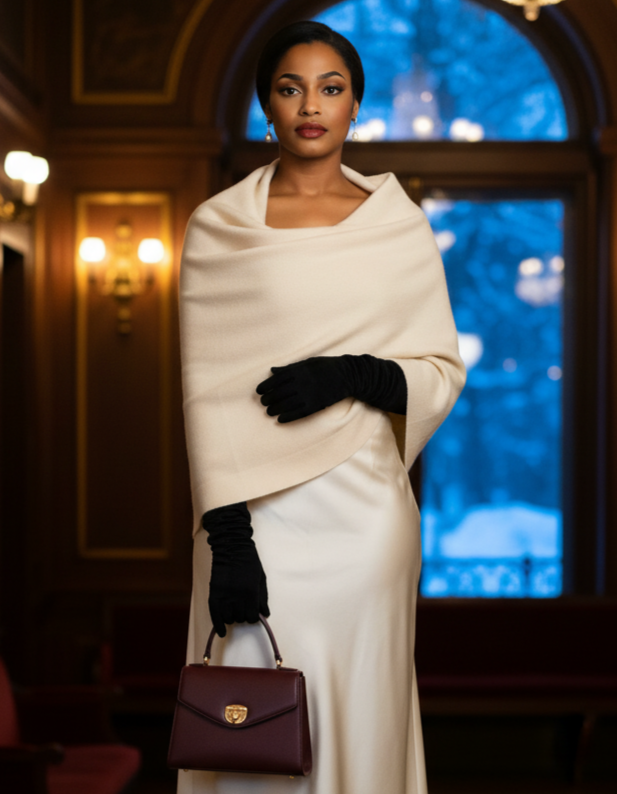
Old money families are all about books, art, and music.
Classic Literature: Shakespeare, Austen, Dickens, Hemingway, Fitzgerald—these aren't just read but discussed, quoted, and referenced in conversation. Book clubs focus on classics and literary fiction, not beach reads.
Opera and Classical Music: Season subscriptions to symphony orchestras and opera companies signal cultural commitment. Knowledge of composers, specific performances, and operatic repertoire is expected.
Museums and Galleries: Old money families support institutions—art museums, natural history museums, historical societies. They attend exhibition openings, know curators personally, and educate children through frequent visits.
Theater: Broadway, West End, regional theaters—legitimate theater matters. Season tickets to respected companies, attendance at openings, and support for the performing arts. This extends to ballet and modern dance companies.
Architecture and Design: Educated appreciation for classical architecture, landscape design, and interior decoration. Conversations casually reference Palladian windows, Federal-style moldings, or capability Brown landscapes.
Travel Style: Discerning and Discreet

Photo by Darren Richardson on Unsplash
Forget flashy chains—think charming hotels with history and private clubs that feel like home. Old money prefers longer stays in the countryside, building relationships with locals and diving deep into culture. They avoid tourist traps, opting for authentic experiences and returning to favorite destinations year after year.
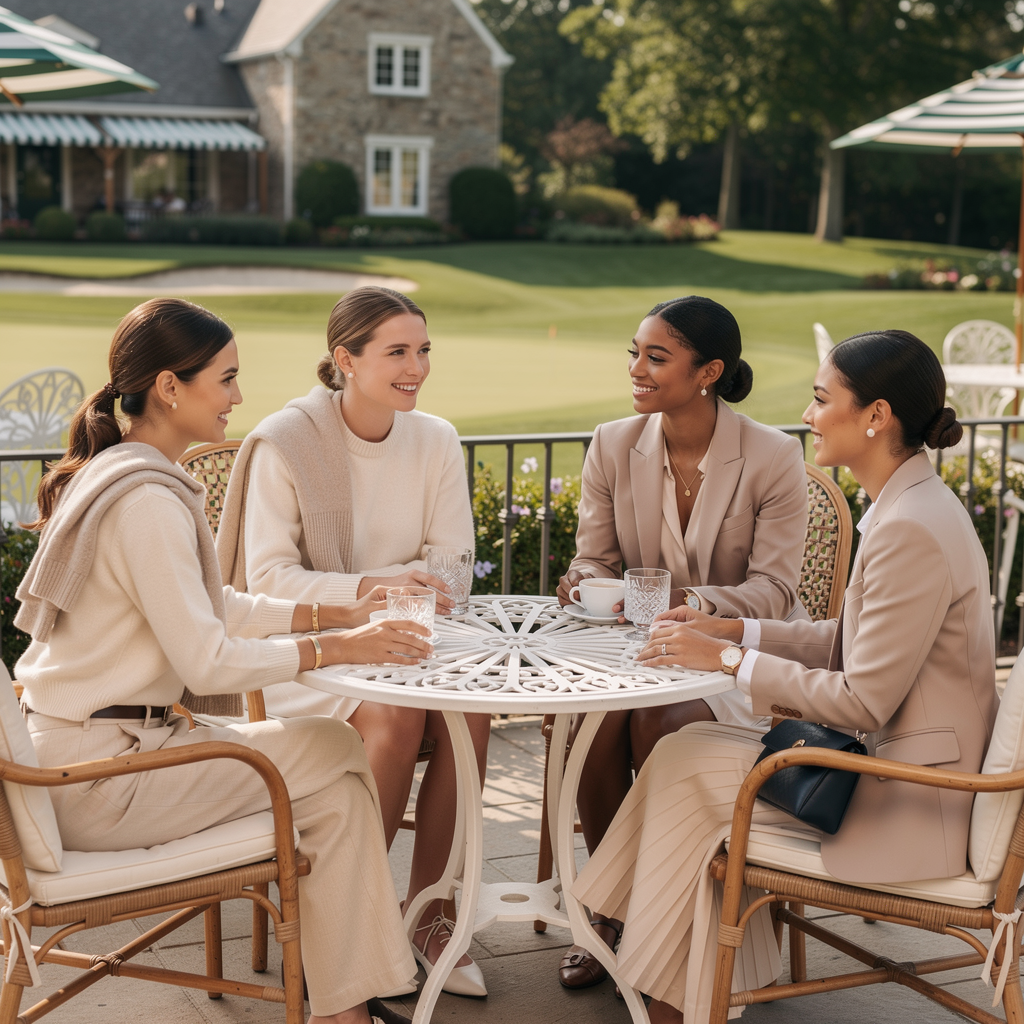
Social Code: Subtle, Polite, and Loyal
Discretion: Wealth is never flaunted; conversations about money are off-limits. Social media? Minimal and curated.
Manners: Thank you notes, proper RSVPs, and impeccable table manners keep things smooth and gracious.
Loyalty: Relationships last—same doctors, lawyers, and friends for decades. Institutions and communities matter.
Giving Back: Philanthropy and service are expected; privilege comes with responsibility.
Education: Top schools, advanced degrees, and lifelong learning are all part of the package.
Privacy: Personal matters stay private, protecting family life from public scrutiny.
Pop Culture Picks
The Official Preppy Handbook—A witty guide to old money quirks.
Crazy Rich Asians—A look at generational wealth and family tradition.
Succession and The Gilded Age—Dramas that explore old money versus new.
Preppy: Cultivating Ivy Style—Why certain clothes matter to the elite.
Class by Paul Fussell—How class shows up in daily life.
Why It Matters
Understanding old money lifestyle explains the fashion: a navy blazer is for the yacht club, riding boots are for actual riding, and a cable knit sweater started on the water. The style is rooted in tradition, shaped by real life, and always quietly luxurious.
Old Money vs. Other Styles: What Sets Them Apart?
The old money look sits among several fashion vibes, each with its own twist. Let’s break down the differences, so you can find your personal style without mixing them up.
Old Money vs. Quiet Luxury: The Original and the Trend Name
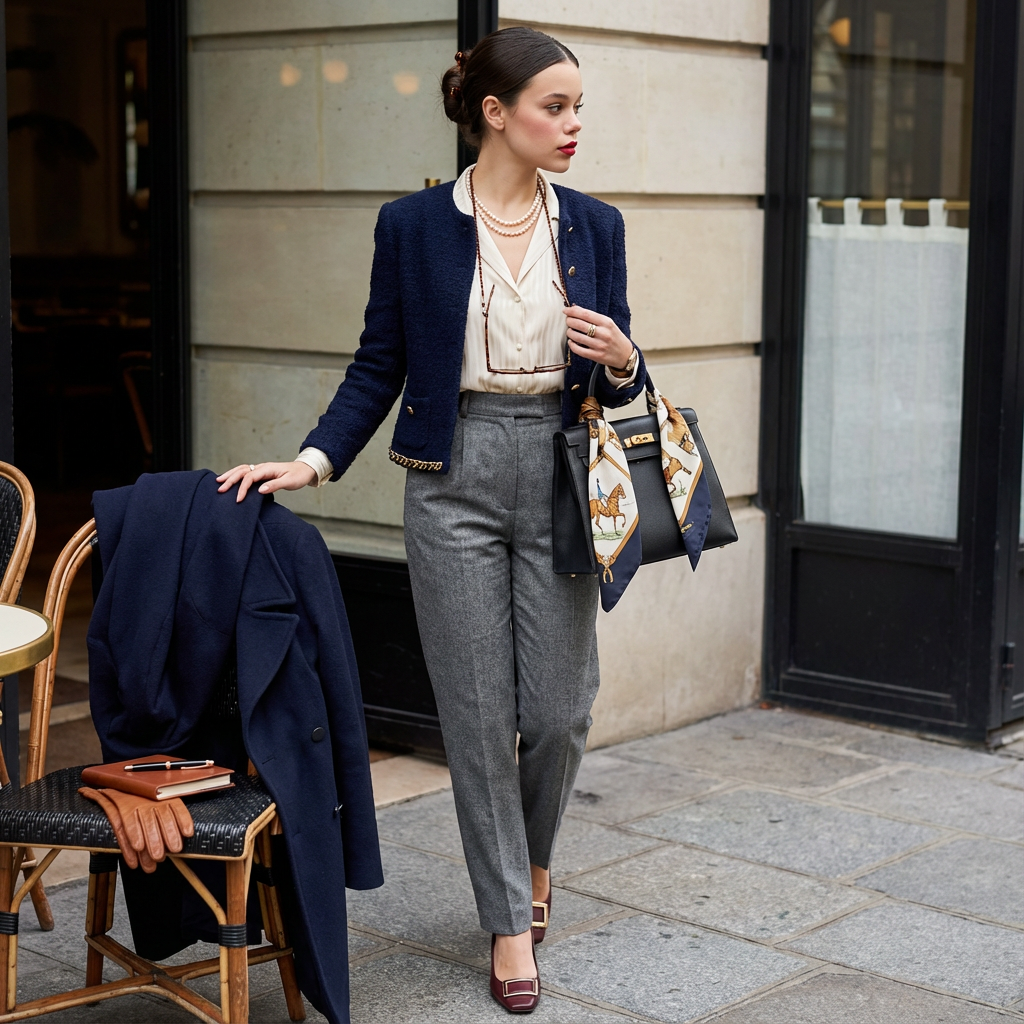
These terms are often used interchangeably, but there's an important distinction.
The Relationship: Quiet luxury is today’s buzzword for what old money families have always done. When "Succession" popularized understated wealth dressing in the 2020s, media needed a term—"quiet luxury" emerged as the marketing-friendly label for old money aesthetic principles.
Key Similarities: Both mean high-quality, timeless clothes—think neutral colors, natural fabrics, and elegance without flashy logos.
Subtle Differences: "Quiet luxury" as a trend focuses almost exclusively on the ultra-high-end—Loro Piana, Brunello Cucinelli, The Row. Old money aesthetic, while it includes these brands, is more accessible because it's about approach rather than budget.
Cultural Context: Old money references generational wealth, WASP culture, country clubs, and inherited privilege. Quiet luxury focuses purely on the aesthetic.
Bottom line: Quiet luxury is old money rebranded for the trendsetters.
Old Money vs. Minimalism: Tradition with Texture vs. Modern Simplicity
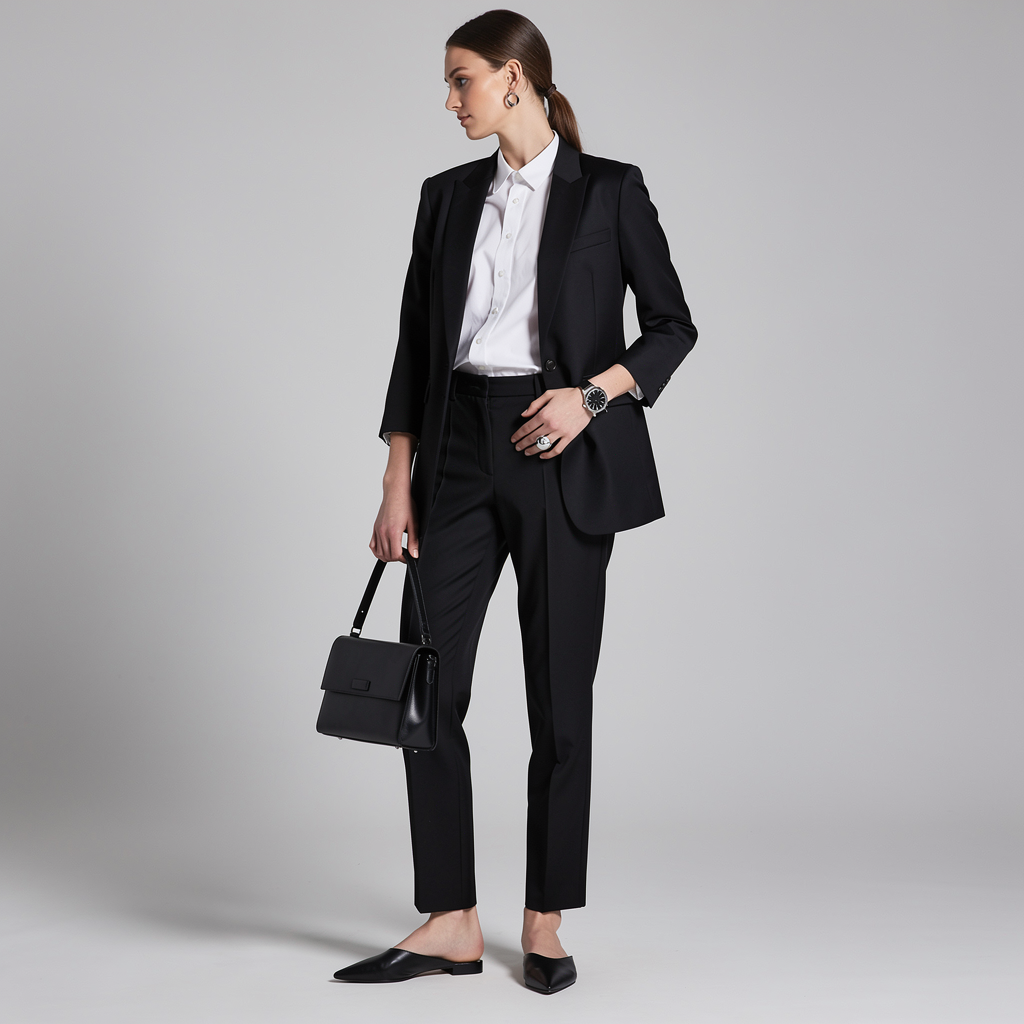
Key Similarities: Both reject excess, prioritize quality construction, and favor neutral colors. Both wardrobes are relatively small and curated. Neither aesthetic embraces loud patterns or attention-seeking pieces.
Crucial Differences:
Color Palette: Minimalism often operates in black, white, gray, and occasionally beige—a cool, modern palette. Old money embraces warmer neutrals (camel, cream, navy, burgundy) and traditional accent colors (hunter green, sky blue). Minimalism is monochromatic; old money has more color depth.
Texture and Pattern: Minimalism favors smooth, architectural fabrics and solid colors. Old money celebrates texture—cable knits, oxford cloth, tweed—and incorporates subtle patterns like stripes, plaids, and paisley.
Details: Minimalism eliminates traditional details as unnecessary decoration. Old money embraces them—brass buttons on blazers, grosgrain ribbon, penny loafer hardware, pleating, mother-of-pearl buttons.
Cultural References: Minimalism emerged from Scandinavian design, Japanese aesthetics, and modern architecture. Old money draws from British aristocracy, American prep, and European landed gentry.
Lifestyle Integration: Minimalism extends to entire life philosophy—minimal possessions, clean spaces, rejection of materialism. Old money accepts accumulation of quality items over generations—heirloom furniture, inherited jewelry, collections.
When They Overlap: A camel coat, white button-down, or quality leather bag works in both aesthetics. The difference is context—the minimalist pairs the camel coat with architectural black trousers and modern sneakers; old money pairs it with wool trousers and leather loafers.
Bottom Line: Choose minimalism if you prefer modern, clean-lined, almost austere aesthetics. Choose old money if you want classic, textured, heritage-rich style with warmth and traditional details.
Old Money vs. Preppy: Grown-Up Sophistication vs. Youthful Energy
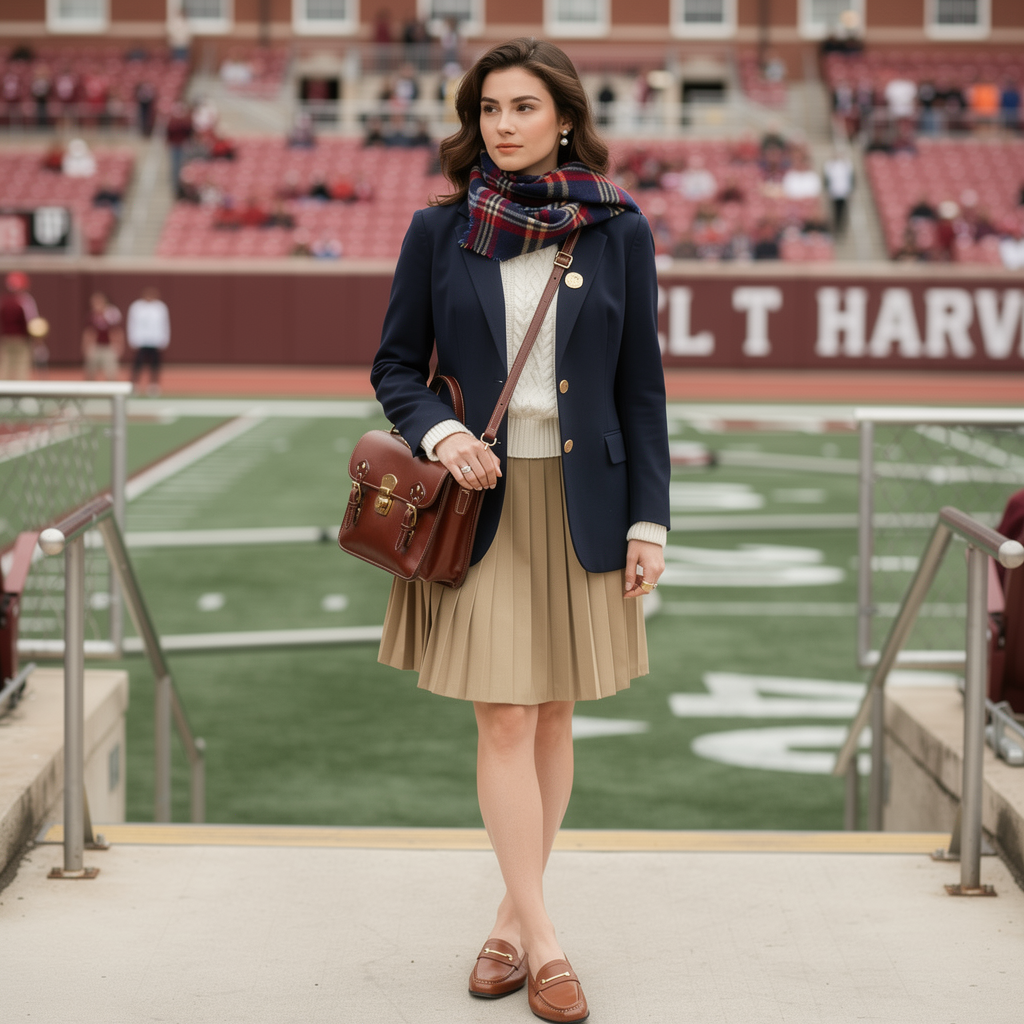
Key Similarities: Both originated in American East Coast elite culture—prep schools, Ivy League universities, country clubs. Both embrace navy blazers, oxford shirts, loafers, and heritage brands like Brooks Brothers and Ralph Lauren. The foundational pieces overlap significantly.
Crucial Differences:
Many old money individuals dressed preppy in their youth (it's the natural aesthetic of elite prep schools), then matured into old money aesthetic.
Age and Sophistication: Preppy has youthful, collegiate energy—think high school and college students. Old money is decidedly adult and sophisticated. A preppy outfit might include a polo shirt and shorts; old money elevates to a blazer and tailored trousers.
Color Palette: Preppy embraces brighter colors more freely—Kelly green, bright pink, Nantucket red, bold stripes. Old money restrains to more muted, sophisticated versions of these colors.
Patterns and Prints: Preppy loves bold patterns—big stripes, loud plaids, whimsical prints. Old money uses pattern more subtly—thin pinstripes, understated plaids, classic paisleys.
Branding: Preppy is more comfortable with visible logos—polo players, crocodiles, whales. Old money minimizes branding even from heritage brands.
When They Overlap: A navy blazer, white oxford shirt, khaki chinos, and loafers works in both aesthetics. The difference is context and accessorizing—preppy might add a bright striped belt and bold watch; old money keeps accessories minimal and sophisticated.
Bottom Line: Preppy works beautifully for younger people or those who prefer energetic, playful style. Old money suits those wanting sophisticated, adult elegance.
Old Money vs. Dark Academia: Intellectual vs. Hereditary

Key Similarities: Both value classic literature, museums, quality fabrics, and traditional styling. Both embrace tweed, wool, structured pieces, and rich, deep colors. Both reject fast fashion and trendy pieces.
Crucial Differences:
Color Palette: Dark academia is literally dark—blacks, browns, deep burgundy, forest green, with very little cream or camel. Old money includes these colors but balances them with lighter neutrals. Dark academia can feel gothic; old money feels balanced.
Aesthetic Mood: Dark academia is moody, intellectual, slightly melancholic. Old money is confident, polished, privileged.
Cultural References: Dark academia draws from "The Secret History," Oxford/Cambridge imagery, gothic literature, and romantic intellectualism. Old money references "Succession," country clubs, and sailing culture.
Styling Details: Dark academia might include vintage eyewear, aged leather satchels, ink-stained fingers, slightly disheveled "up all night reading" vibes. Old money is impeccably maintained and tailored.
When They Overlap: Tweed blazers, wool trousers, oxford cloth shirts, and leather bags work in both aesthetics. The difference is that dark academia accepts rumpled and well-worn, while old money demands pristine.
Bottom Line: Dark academia suits those drawn to intellectual pursuits, vintage aesthetics, and slightly moody styling. Old money suits those wanting polished, confident, traditionally wealthy appearance.
Finding Your Personal Style
Understanding these distinctions helps you define your style more precisely:
Want pure simplicity and modernity? → Minimalism
Youthful, energetic, collegiate? → Preppy
Intellectual, moody, book-focused? → Dark Academia
Versatile, polished, classically wealthy? → Old Money
Just the aesthetic without class implications? → Quiet Luxury
Regional Old Money Sub-Styles: Global Variations on Wealth and Taste
Old money aesthetic isn't monolithic—it varies significantly by geography, culture, and community. Understanding these regional distinctions adds nuance to your styling and helps you draw inspiration from the variation that resonates most with your lifestyle and heritage. Here are the major sub-styles within the broader old money world.
Sloane Ranger: British Upper-Class Elegance
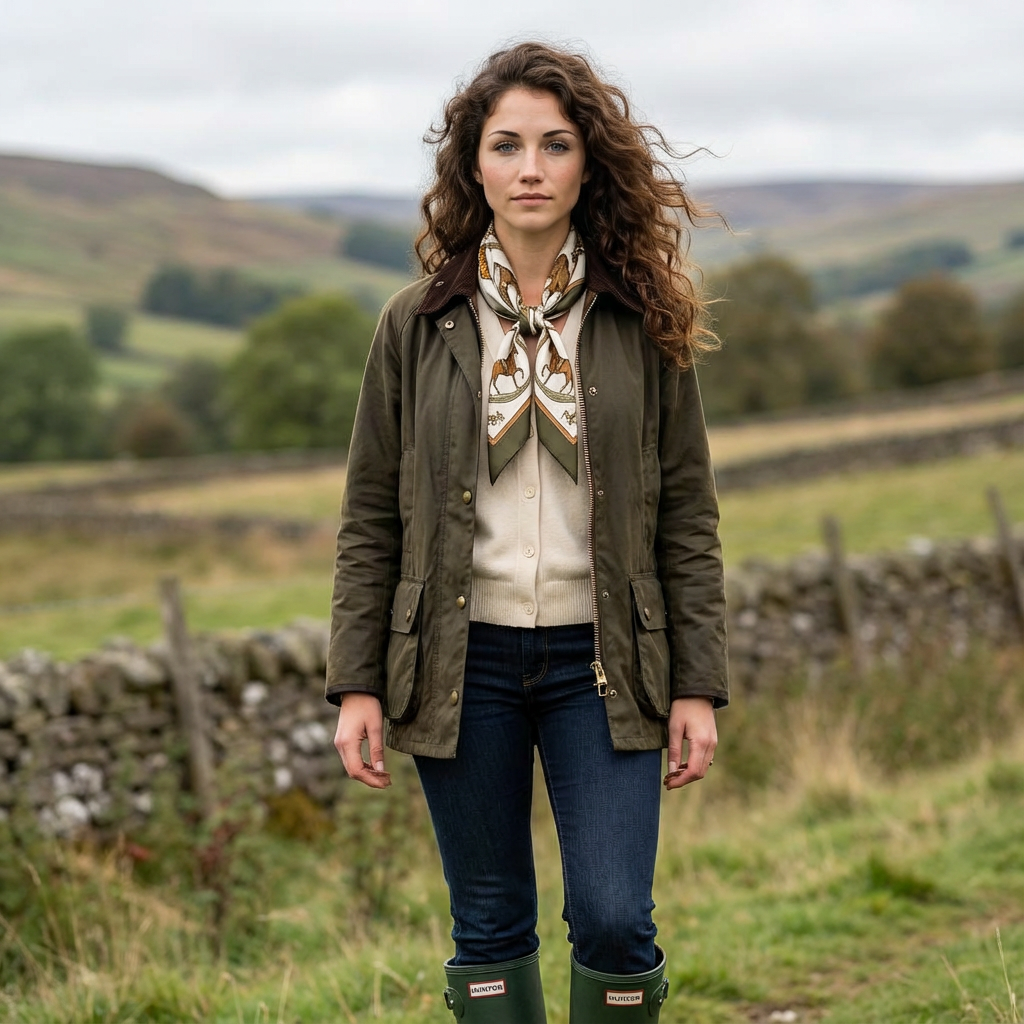
The Sloane Ranger represents quintessential British upper-class style, named for the affluent area around Sloane Square in London's Chelsea neighborhood.
Core Palette: Navy blue, hunter green, burgundy, camel, cream, tweeds, and charcoal grey.
Historical Context: The term emerged in the 1980s to describe young, upper-class Londoners—particularly women—who embodied a specific blend of aristocratic heritage and contemporary style. Princess Diana in her early years became the ultimate Sloane Ranger icon, establishing many of the aesthetic's defining characteristics.
Distinguishing Style Elements: Sloane Rangers embrace country pursuits reflected in their clothing. Defining the look are Barbour waxed jackets (olive or navy), Hunter Wellington boots, Hermès scarves around the neck or on handbags, quilted gilets (vests), cashmere cardigans, and tailored wool coats.
Activities and Culture: Point-to-point races, shooting parties, Henley Regatta, Ascot, and Royal events shape wardrobe needs. Country estate weekends and London season events, require versatile wardrobes that transition between Wellington boots in muddy fields and elegant cocktail attire.
Modern Evolution: Contemporary Sloane Rangers have modernized the aesthetic with less obvious country styling and more subtle designer pieces, but the foundational elements remain.
Brands: Barbour, Hunter, Burberry (particularly the heritage check), Aquascutum, Holland & Holland, Smythson, Aspinal of London, and British heritage jewelers.
When to Draw Inspiration: If you appreciate British country style, equestrian influences, and practical luxury that works in variable weather while maintaining elegance. Sloane Ranger works for anyone with country/rural lifestyle combined with urban professional demands.
Newport/New England Prep: American East Coast Nautical
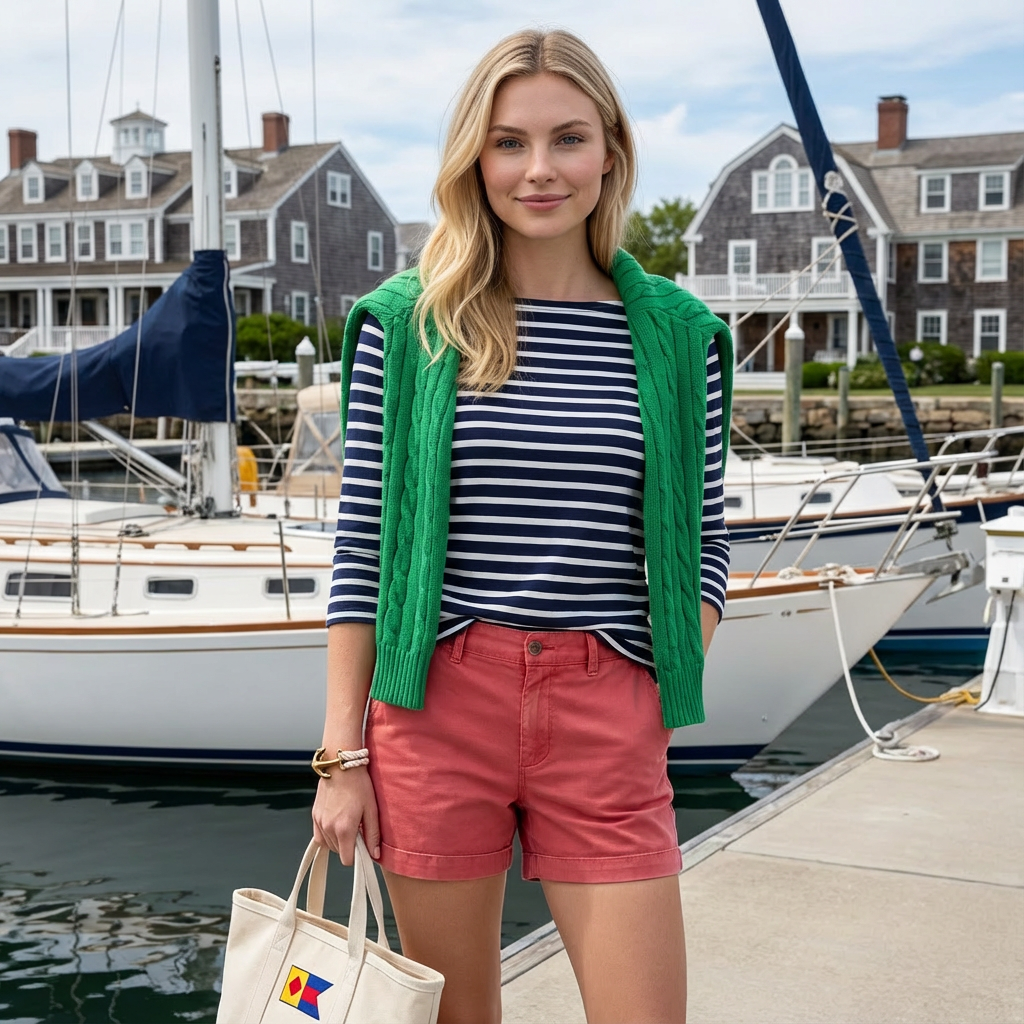
This distinctly American old money sub-style centers on New England summer colonies, yacht clubs, and coastal traditions.
Core Palette: Crisp navy and white stripes form the foundation, with kelly green, signal flag red, and soft yellow as accent colors.
Historical Context: Rooted in the Gilded Age summer "cottages" of Newport, Rhode Island, and extending through Cape Cod, Nantucket, Martha's Vineyard, and Maine coastal communities. The Kennedy compound aesthetic epitomizes this style—nautical without being costumey, casual elegance for seaside living.
Distinguishing Style Elements: More nautical and lighter than traditional old money. Navy and white stripes, seersucker, madras plaid, cable knit sweaters, white jeans, boat shoes (Sperry Top-Siders), navy blazers with brass buttons, linen everything, and that distinctive "just off the boat" disheveled elegance. The palette is lighter and brighter—navy, white, sky blue, pink, yellow, kelly green—reflecting summer sunshine and ocean settings.
Activities and Culture: Sailing regattas, clambakes, tennis at private clubs, croquet on lawn, swimming in private beaches, and lobster dinners. This is summer lifestyle codified into fashion—everything must work in humid heat, salt air, and sandy conditions while remaining presentable for club dinners.
Brands: Sperry, Vineyard Vines (though becoming less exclusive), Brooks Brothers, J.Crew (captures this aesthetic particularly well), L.L.Bean, Nantucket-based boutiques, and small New England brands.
Modern Considerations: This sub-style risks veering into costume territory—whales and lobsters embroidered on everything reads more "tourist" than "insider." The most authentic Newport/New England style is understated classics in nautical colors rather than literal maritime motifs.
When to Draw Inspiration: Perfect for summer wardrobes, coastal living anywhere (not just New England), and classic American prep with relaxed, seaside energy.
Palm Beach Polished: Southern Old Money Glamour
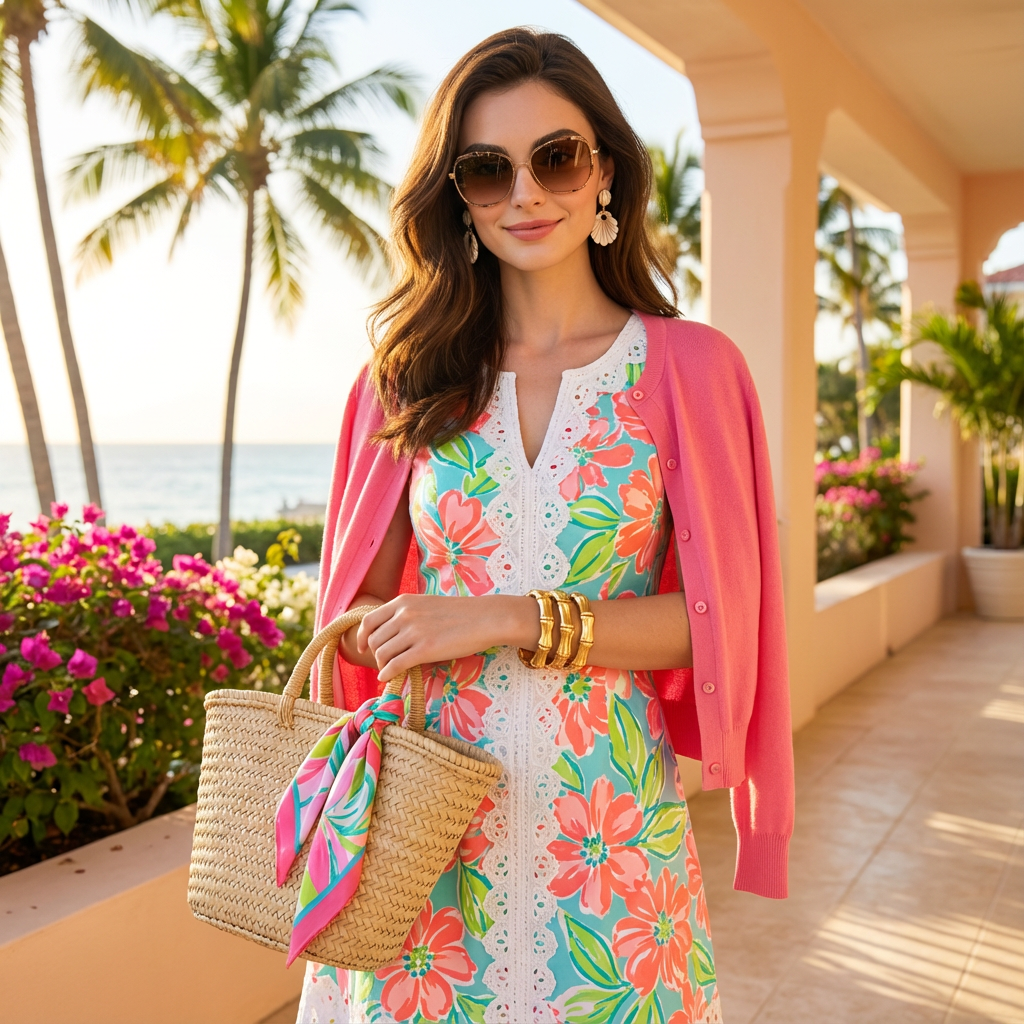
Florida's Palm Beach represents a distinct old money sub-style that's brighter, more colorful, and slightly more glamorous than northern counterparts.
Historical Context: Palm Beach developed as the winter escape for northern old money families, creating its own style codes. The climate allows year-round resort wear, and the social scene (charity galas, polo matches, golf) demands more color and polish than casual New England summers.
Distinguishing Style Elements: Brighter colors are not just acceptable but expected—Lilly Pulitzer prints (done tastefully), white jeans, espadrille wedges, colorful silk scarves, bold statement jewelry (David Yurman, classic gold), and designer sunglasses. The palette includes hot pink, turquoise, coral, lime green alongside traditional neutrals—much more saturated than northern old money.
Activities and Culture: Polo matches, golf at private clubs, charity luncheons, gallery openings, and elaborate dinner parties shape wardrobe needs. This is social old money—being seen matters, and appearance reflects social position. The pace is leisurely but the presentation is polished.
Brands: Lilly Pulitzer (for those who do it well), St. John (for older generation), Akris, Loro Piana resort wear, Hermès, and high-end contemporary designers who do resort collections define authentic sources.
Cautions: This style can easily become too costume-y or resort-wear catalog. The most sophisticated Palm Beach style uses color strategically rather than overwhelmingly, maintaining old money restraint while embracing climate-appropriate brightness.
When to Draw Inspiration: Perfect for warm climates, resort vacations, summer social events, and those who want to incorporate more color while maintaining old money principles. Works beautifully for golf and tennis as these sports allow bolder colors traditionally.
European Riviera/Italian Elegance: Continental Sophistication
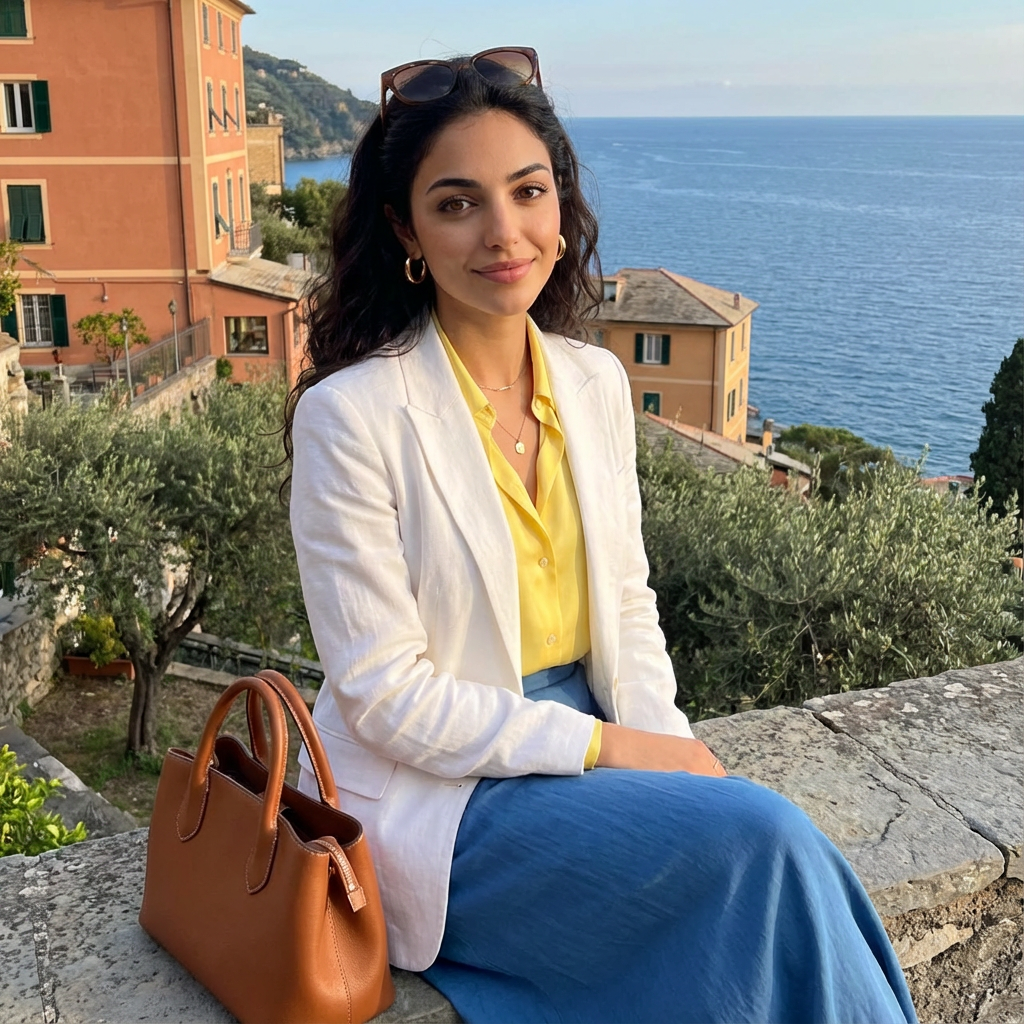
The Mediterranean old money aesthetic brings slightly more glamour and relaxed tailoring to classic wealth dressing.
Historical Context: Drawn from 1950s-60s Riviera style captured in Slim Aarons photographs—Grace Kelly in Monaco, Italian nobility, international jet-setters in Capri, Portofino, and Côte d'Azur. This is la dolce vita elegance, where old money meets effortless European sophistication.
Distinguishing Style Elements: More relaxed tailoring than British or American old money. Linen everything—suits, trousers, dresses—in impeccable cuts despite the wrinkles. Silk scarves (Hermès, Pucci), oversized sunglasses (classic shapes, tortoiseshell frames), espadrilles, soft leather sandals, wide-brimmed hats, and perfectly draped pieces. The palette includes Mediterranean colors—cream, tan, navy, sky blue, coral, with occasional bright accent colors worn confidently.
Key Details: Italians master "sprezzatura"—studied nonchalance. Perfectly tailored pieces worn casually—linen blazer with sleeves pushed up, silk scarf loosely tied, expensive sunglasses pushed up into hair. There's more acceptance of visible luxury (beautiful jewelry, designer bags) but worn with such ease it never seems showy. Hair is effortlessly tousled, makeup is sun-kissed and natural.
Activities and Culture: Long lunches, aperitivo culture, yacht parties (actual yachts, not boats), art collecting, opera, and exploring historical sites shape the lifestyle. This is leisurely luxury—time is abundant, rushing is vulgar, and enjoyment of beauty (art, food, landscape) is paramount.
Brands: Loro Piana (originated here), Brunello Cucinelli, Hermès, Pucci for prints, Marni, quality Italian leather goods from small ateliers, and bespoke tailoring define authentic sources.
Key Difference: European old money is slightly more comfortable with visible luxury—a beautiful handbag, quality jewelry, designer sunglasses—but worn with such confidence and ease that it never reads as flashy. American old money hides wealth more; European old money enjoys it more openly (while still maintaining discretion).
When to Draw Inspiration: Perfect for summer styling, vacation wardrobes, and those who want slightly more glamour while maintaining sophistication. This is old money with Mediterranean warmth and enjoyment of life's pleasures.
French Old Money (Bon Chic Bon Genre): Parisian Bourgeois Elegance
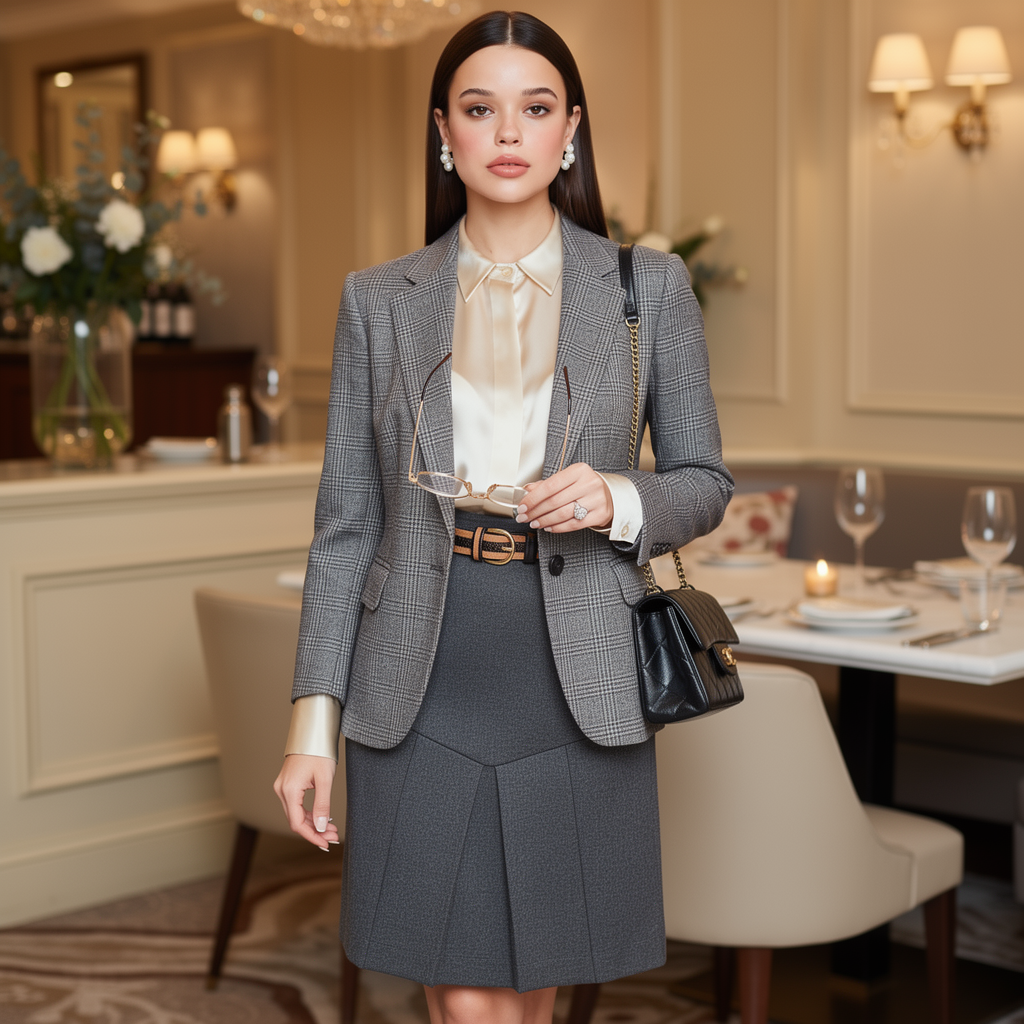
The French old money aesthetic, known as "bon chic bon genre" (BCBG), represents Parisian bourgeois sophistication where intellectual cultivation meets understated wealth.
Historical Context: Rooted in Paris's wealthy arrondissements (16th, 7th, 8th), BCBG emerged from families with generational wealth tied to business dynasties, aristocratic heritage, or established professions. The aesthetic values cultural sophistication and educated taste as much as financial means.
Distinguishing Style Elements: Navy and white Breton striped marinière shirts. Fitted silhouettes that follow the body without clinging—pencil skirts, tailored trousers, body-skimming knitwear. Silk scarves, classic trench coats, well-cut blazers, quality denim. Navy, black, cream, camel, with pops of red (lipstick, scarf). More comfortable with black and crisp contrast than American old money.
Key Details: Master the art of "studied imperfection"—the half-tuck, slightly undone hair, scarf casually knotted, blazer sleeves pushed to three-quarter length. Tortoiseshell glasses as intellectual accessory. Minimal but present jewelry—layered delicate gold necklaces, thin stacked rings. Red lipstick as signature.
Activities and Culture: Literary café culture, museum exhibitions, cinema (arthouse and classic), opera, long leisurely meals, market shopping, philosophical discussion. Books carried visibly, cultural references assumed in conversation.
Brands: A.P.C., Sézane, Isabel Marant (for younger generation), Hermès scarves, Chanel classics, The Row, Lemaire, vintage Céline (Phoebe Philo era), Repetto ballet flats, artisanal French brands from the Marais. Quality over logos, but less discomfort with visible designer pieces if timeless.
Key Difference: BCBG embraces femininity and intellectualism simultaneously without contradiction. More comfortable with fitted silhouettes, subtle sexuality, and admitting you care about style.
When to Draw Inspiration: Perfect for urban lifestyles, those who value intellectual pursuits, women comfortable with fitted pieces and subtle sensuality, anyone wanting old money sophistication with more personal flair and flexibility.
Building Your Old Money Wardrobe
Let’s be real: you don’t need a family crest or a trust fund to rock the old money vibe. It’s less about copying blue-blooded closets and more about timeless style, quality fabrics, and simplicity. Think: buying fewer, better things instead of shouting “designer.”
Start small. Maybe it’s a perfectly fitted blazer from the thrift shop, a luxe cashmere sweater, or those leather loafers outlasting every trend.
Remember the Core Principles
As you build your wardrobe, return to the fundamentals:
Investment dressing: Calculate cost-per-wear over years, not just initial price. That $400 camel coat worn 100 times annually for 15 years costs less per wear than a $50 coat replaced every two years.
Quality materials: Natural fibers—wool, cashmere, silk, cotton, linen—always outperform synthetics in appearance and longevity. Your clothes should breathe, drape beautifully, and age gracefully.
Proper fit: A $100 piece tailored to perfection beats a $1,000 piece in the wrong size. Find a reliable tailor and budget for alterations.
Restraint: One statement piece maximum. Less is more.
Choose Your Path
This guide presented multiple approaches to old money aesthetic. You don’t have to choose just one.
Dress American old money for the office, embrace French BCBG on weekends, and incorporate Riviera ease for summer vacations. Or blend Newport nautical casualness with Sloane Ranger country pursuits. The key is understanding each variation and choosing intentionally.
Avoid Common Pitfalls
As you develop your aesthetic, avoid mistake undermining the old money style: loud logos, cheap fabrics, and over-accessorizing. When in doubt, choose the simpler option, the better fabric, the more classic cut.
Build Gradually and Thoughtfully
Rome wasn't built in a day, and neither is a quality wardrobe. Resist the urge to replace your entire closet overnight with "old money basics." Instead:
Year One: Focus on foundational neutrals in quality fabrics. White oxford shirts, cashmere in core colors, well-fitting jeans, one excellent coat.
Year Two: Add tailoring and structure. A navy blazer, tailored trousers, quality leather shoes and bags.
Year Three: Invest in your signature piece. The camel coat, the perfect trench, the investment handbag you'll carry for decades.
Year Four and Beyond: Fill gaps strategically, replace worn items with better versions, and refine your personal interpretation of the aesthetic.
This approach prevents expensive mistakes, lets you learn what works for your lifestyle, and creates a wardrobe reflecting your taste and not someone else's Pinterest board.
