
What is Cozy Aesthetic? How to Dress & Live Comfortably in 2026
There’s a reason your most-saved Pinterest boards are filled with chunky knits, candlelit corners, and steaming mugs tucked into oversized sleeves. In a world that constantly demands more—more productivity, more polish, more perfection—the cozy aesthetic offers permission to choose comfort without sacrificing style.
What began as an online mood has grown into a fashion and lifestyle movement rooted in warmth, softness, and intention. Unlike fast-moving microtrends, the cozy aesthetic taps into something timeless: our need for sanctuary—especially during colder months.
While it shares DNA with hygge, cottagecore, and light academia, cozy aesthetic stands apart.
In this guide, we’ll break down what defines the cozy aesthetic—from its philosophy and color palette to essential wardrobe pieces and easy styling formulas you can use immediately. You’ll also find shopping recommendations across budgets.
If you’re ready to dress in a way that feels as good as it looks, you’re in the right place.
Understanding the Cozy Aesthetic
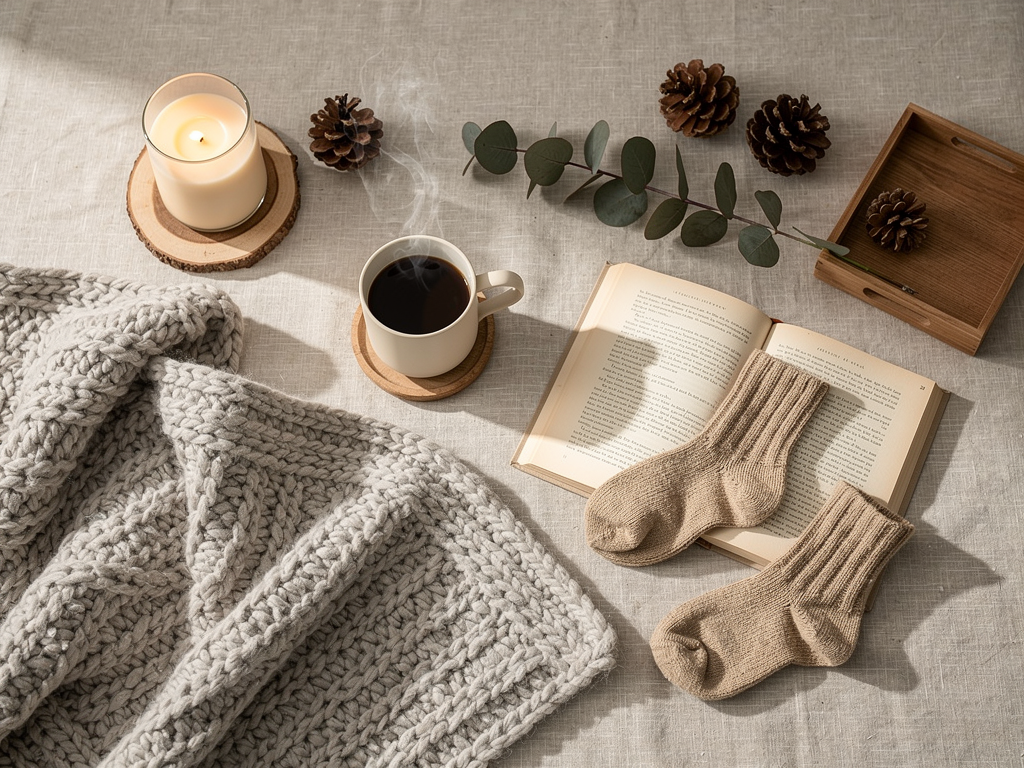
The Scandinavian hygge movement of 2016-2017 established cozy aesthetic's foundation of warm neutrals and natural textures.
The cozy aesthetic didn’t appear overnight. Like a well-loved sweater, it was built slowly—shaped by cultural shifts, internet trends, and a growing desire for comfort in an increasingly loud world.
The Hygge Foundation (2016–2017)
The modern cozy aesthetic really took off with the Western world’s obsession with hygge (pronounced hoo-gah), the Danish concept of cozy contentment. When Meik Wiking’s The Little Book of Hygge became an international bestseller in 2016, it sparked a collective fixation on Scandinavian comfort. Candles multiplied. Chunky knits appeared everywhere. Neutral ceramics suddenly felt essential.
At its heart, hygge was never about clothes—it was a mindset. Togetherness. Warmth. Slowing down. But as the concept spread beyond Scandinavia, it became more visual. Cozy started to look like something: oversized sweaters, wool socks, mugs of tea photographed in soft light.
That visual language laid the groundwork for today’s cozy aesthetic. Hygge also gave us its core principles: warm neutrals, natural materials, quality over excess, and intentional simplicity. You weren’t just wearing sweatpants—you were participating in a European philosophy of wellbeing. Or at least that’s how it felt.
Cottagecore’s Romantic Influence (2019–2020)
Just as hygge plateaued, cottagecore entered the chat. Rising on Tumblr and TikTok, this romanticized vision of rural life—prairie dresses, bread baking, mushroom foraging—added nostalgia and softness to the comfort conversation.
While cottagecore leaned more whimsical than practical, it made an important contribution: it reframed comfort as aspirational. Cozy didn’t have to be boring or sloppy. It could be beautiful, nostalgic, and personal.
Cottagecore expanded cozy beyond minimalism. Florals, vintage silhouettes, and nature-inspired textures became part of the mix. So did cozy activities—knitting, baking, and gardening. Most importantly, it made “old-fashioned” comfort feel modern again.
The Pandemic Acceleration (2020–2022)
Then came 2020—and everything changed.
As remote work became the norm, our relationship with clothing shifted almost overnight. Comfort stopped being optional. Hard pants disappeared. Soft fabrics became non-negotiable.
The pandemic didn’t create the cozy aesthetic, but it absolutely accelerated it. Working from home blurred the line between loungewear and real clothes. Oversized knits became Zoom-appropriate. Texture replaced structure. Dressing comfortably wasn’t a failure—it was survival.
This era also reframed comfort as self-care. Cozy wasn’t about giving up on style; it was about choosing well-being.
Cozy Today: A Spectrum, Not a Rulebook (2023–Present)
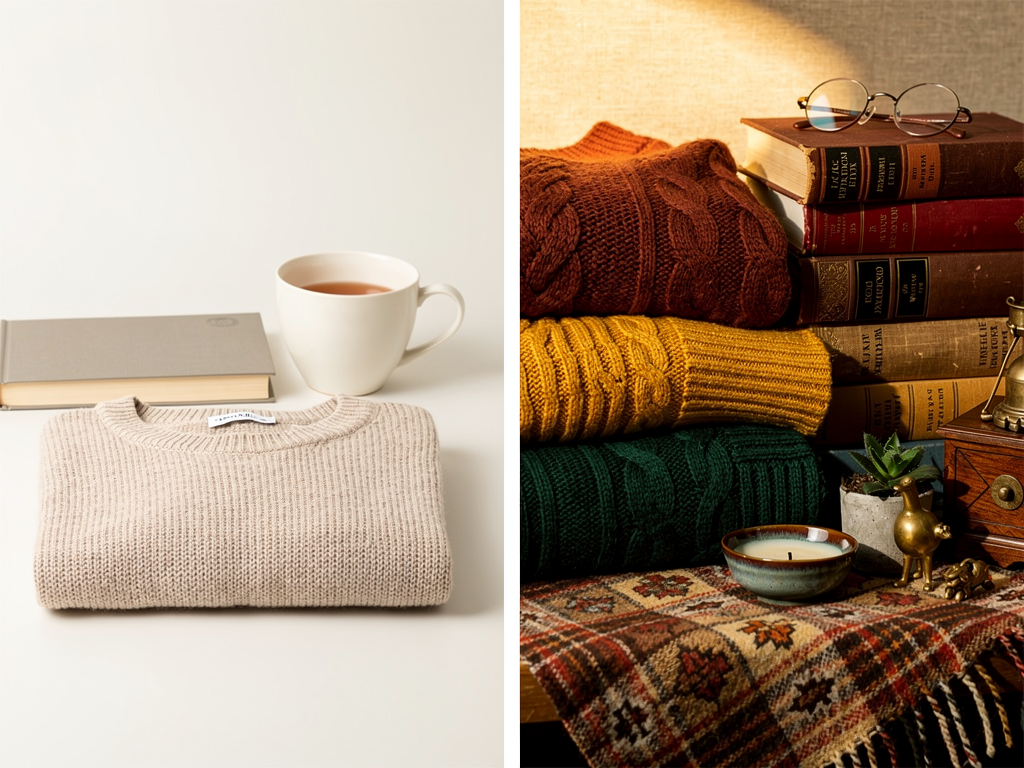
Cozy aesthetic exists on a spectrum from minimalist warmth to maximalist comfort—find your personal balance.
Today’s cozy aesthetic lives on a spectrum, and that’s what makes it so enduring.
On one end, you’ll find maximalist cozy—layered textures, vintage finds, collected knits, and warm spaces. Think stacked blankets, overflowing bookshelves, jewel tones mixed with neutrals.
On the other end is minimalist cozy—clean lines, curated neutral capsules, and quality over quantity. This version values breathing room, soft structure, and the quiet confidence of knowing exactly what brings you comfort. It’s hygge in its purest form.
Most people fall somewhere in between. Maybe you keep a streamlined wardrobe but hoard vintage sweaters. Maybe your home is minimalist—except for one deeply cozy reading corner.
The cozy aesthetic isn’t rigid. It doesn’t demand perfection or strict rules. It offers permission to dress and live in ways prioritizing warmth, comfort, and ease. What started as hygge and cottagecore has evolved into something more universal: a lifestyle built around what makes you feel good.
Here’s a revised version that matches the same conversational, blog-friendly tone as the previous section—clear, warm, and easy to visualize, without losing your authority or aesthetic clarity.
The Cozy Aesthetic Color Palette
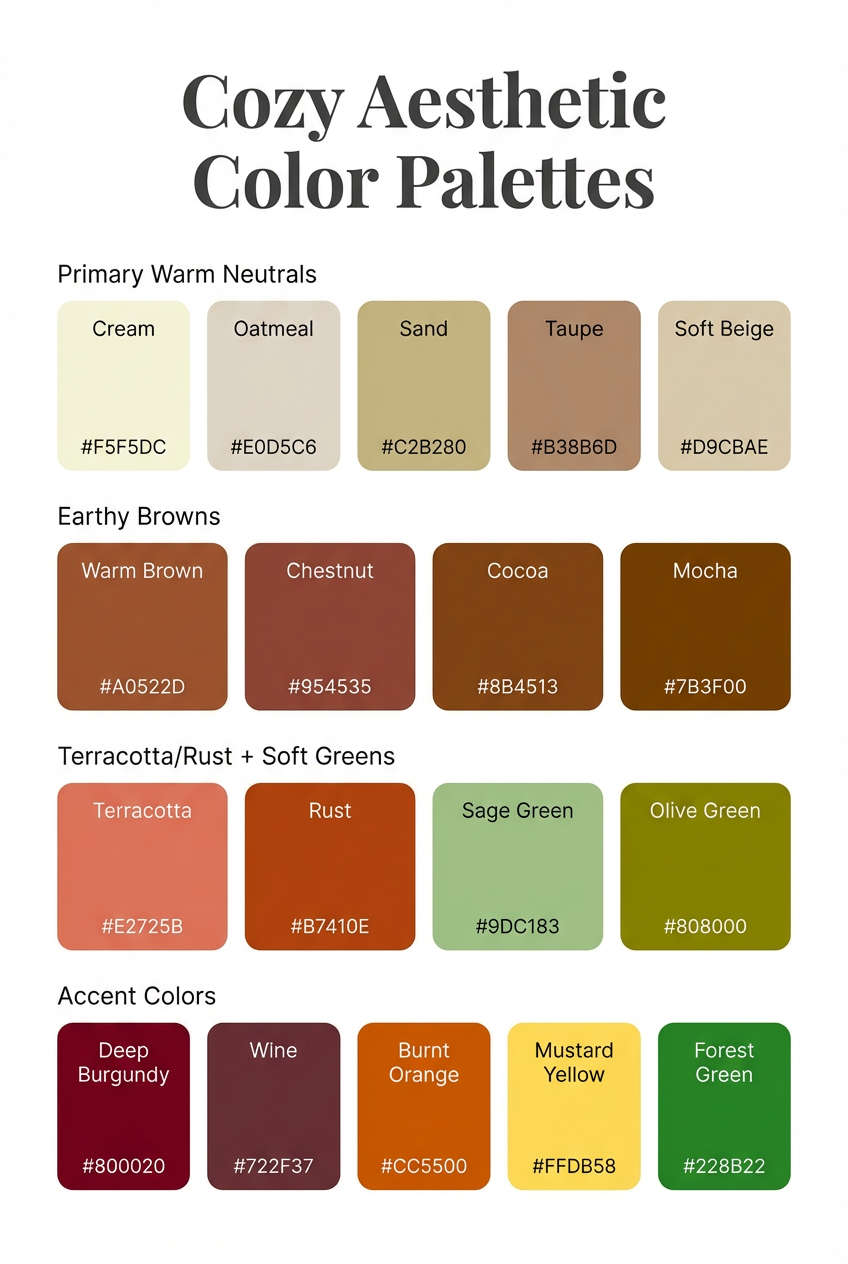
Color is where the cozy aesthetic really comes to life. Unlike trends that rely on bold contrasts or high-saturation hues, cozy style leans into nature’s softer side—the colors you’d notice on an autumn walk, in a sun-warmed clay pot, or in a favorite leather bag that’s only gotten better with time.
These aren’t colors that shout. They settle in.
Your Cozy Foundation: Warm Neutrals
Every cozy wardrobe starts with warm neutrals. These are the shades that feel like visual comfort food—soft, familiar, and endlessly layerable.
Think cream instead of stark white. Oatmeal rather than beige. Taupe that blends gray and brown. Warm greige that feels inviting instead of icy. These tones work together effortlessly, creating depth through subtle shifts rather than sharp contrast.
The key here is warmth. Cool grays and crisp whites belong to modern minimalism. Cozy aesthetic favors shades with yellow, red, or brown undertones—colors that naturally read as warmer and more comforting to the eye.
Earthy Browns: Cozy’s Secret Weapon
If warm neutrals are the base, browns are what make cozy feel rich instead of basic.
Chocolate brown adds depth and polish, especially in outerwear and leather accessories. Caramel brings warmth without heaviness—perfect for sweaters and corduroy. Coffee brown sits right in the middle, making it one of the most versatile shades in a cozy palette.
These tones feel timeless because they’re rooted in materials that age beautifully: wood, leather, tea, wool. They reinforce one of cozy’s core values—choosing pieces that last, not trends that expire.
Terracotta and Rust: Soft Color Without the Shock
This is where cozy gets a little more expressive. Muted terracotta and rust add warmth and personality without disrupting the calm. Inspired by clay, fallen leaves, and desert landscapes, these shades feel earthy and intentional—not loud.
They work best as accent pieces. A rust cardigan over cream. Terracotta trousers paired with a chocolate knit. Just enough color to add interest, while keeping the overall look grounded.
Soft Sage and Moss Green
Greens show up in cozy palettes as whispers, not statements. Soft sage and mossy green bring in nature without veering into bright botanical territory. These slightly grayed greens feel calm, worn-in, and grounding.
They pair beautifully with warm neutrals and browns, adding freshness while still keeping everything soft and cohesive.
Accent Colors: Small Doses, Big Impact
While neutrals do most of the work, cozy aesthetic uses accent colors strategically to keep things from feeling flat.
Deep burgundy and wine tones add richness and sophistication, especially in fall and winter. Burnt orange captures autumn warmth without overwhelming. Mustard yellow brings a touch of optimism—warm, not harsh.
Charcoal and black act as grounding anchors, especially in shoes, bags, and coats. They add structure to otherwise soft outfits and help balance lighter tones.
Seasonal Shifts, Same Cozy Soul
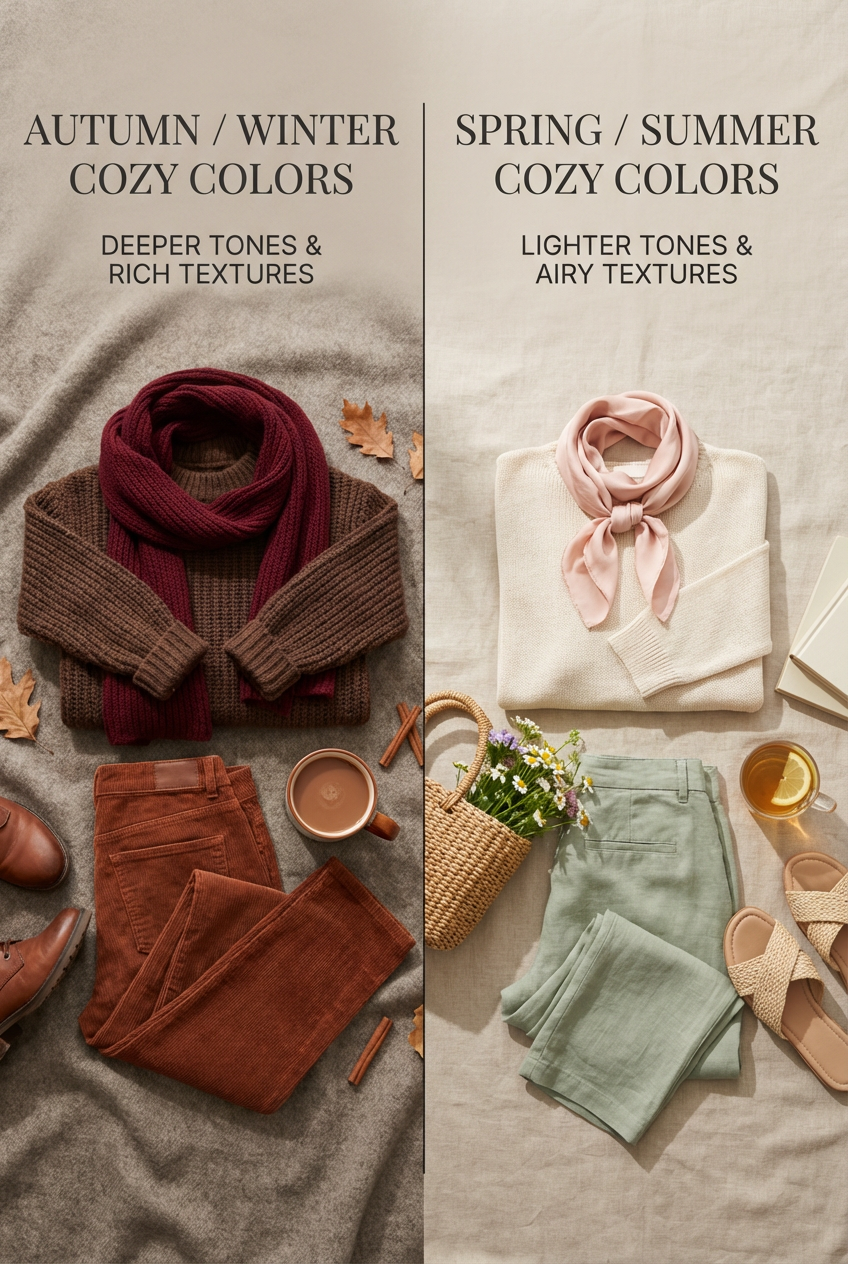
One of the best things about the cozy color palette is how easily it adapts to the seasons.
In fall and winter, colors deepen. Chocolate replaces camel. Burgundy takes the place of terracotta. Forest green edges out sage. Textures get heavier, and the palette naturally darkens to match shorter days and slower rhythms. This is cozy at its most instinctive.
In spring and summer, the palette lightens—but never loses its warmth. Cream replaces chocolate. Oatmeal stands in for coffee brown. Soft pastels like blush, powder blue, and lavender appear sparingly, often grounded by neutral or earthy bases. Muted florals and breathable fabrics keep things cozy without feeling heavy.
The real genius of the cozy aesthetic color palette is its versatility. Nearly every shade works with every other one. Getting dressed becomes intuitive, not stressful—interest comes from texture and tonal layering, not bold color blocking. It’s effortless, comforting, and endlessly wearable.
Essential Cozy Aesthetic Wardrobe Pieces
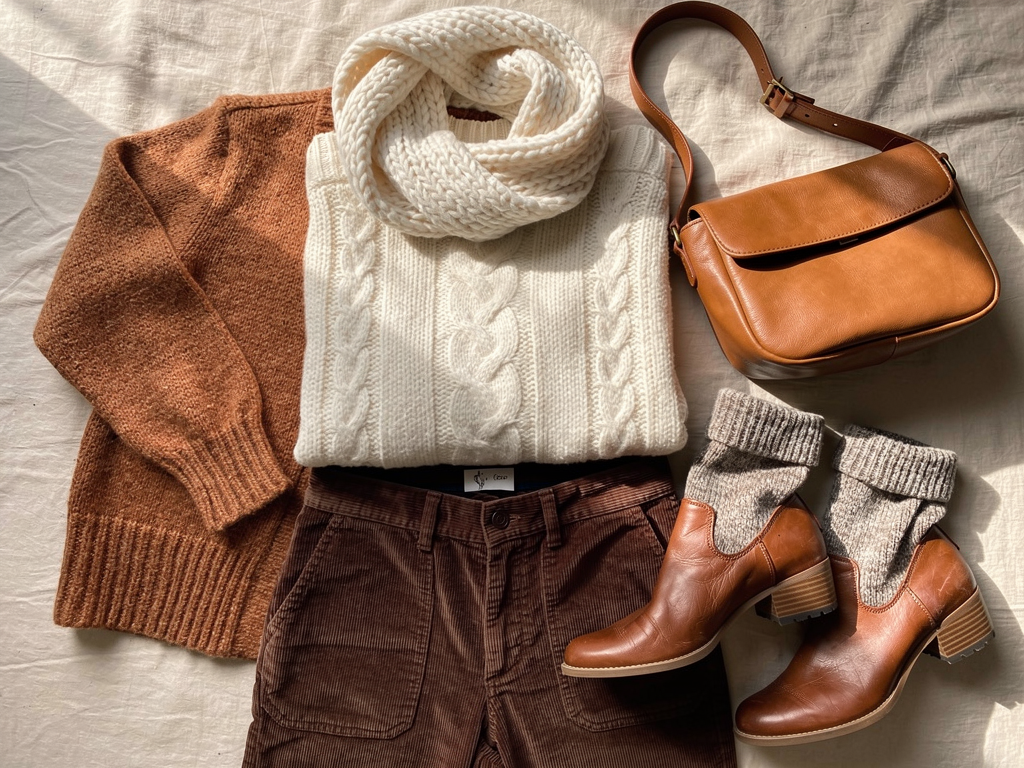
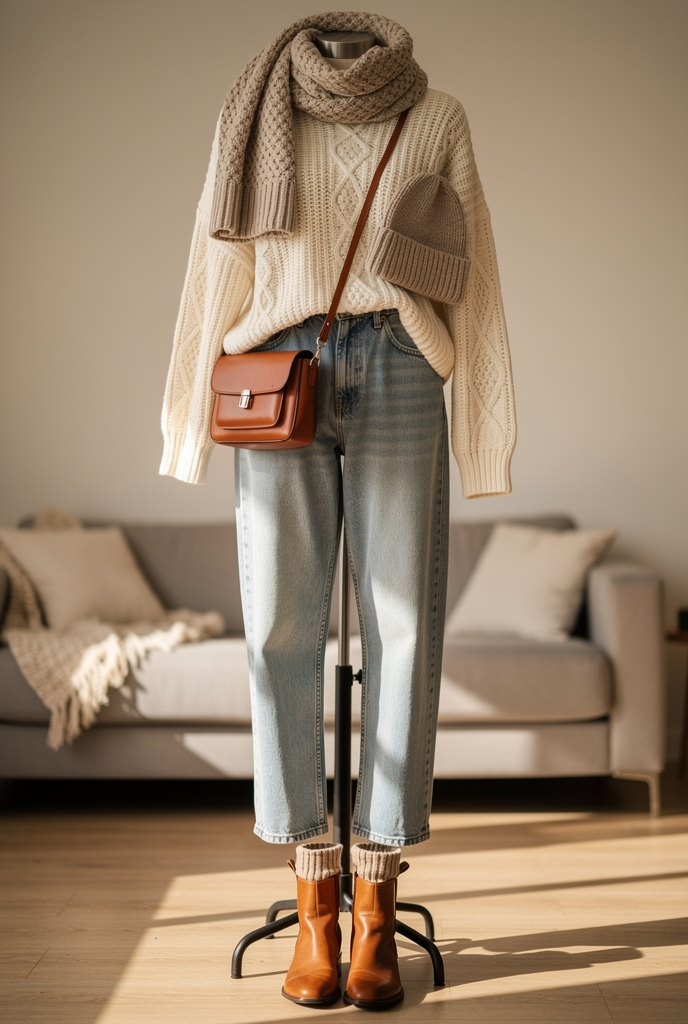
Essential cozy aesthetic wardrobe pieces: cable knit sweaters, corduroy trousers, leather boots, and textural accessories in warm neutrals.
Building a cozy aesthetic wardrobe isn’t about owning more clothes—it’s about owning the right ones. Pieces that work together, feel good on your body, and make getting dressed feel intuitive instead of effortful.
Think of this as a foundation: versatile staples that prioritize comfort, texture, and warmth while still looking intentional. Every item earns its place by being both functional and beautiful.
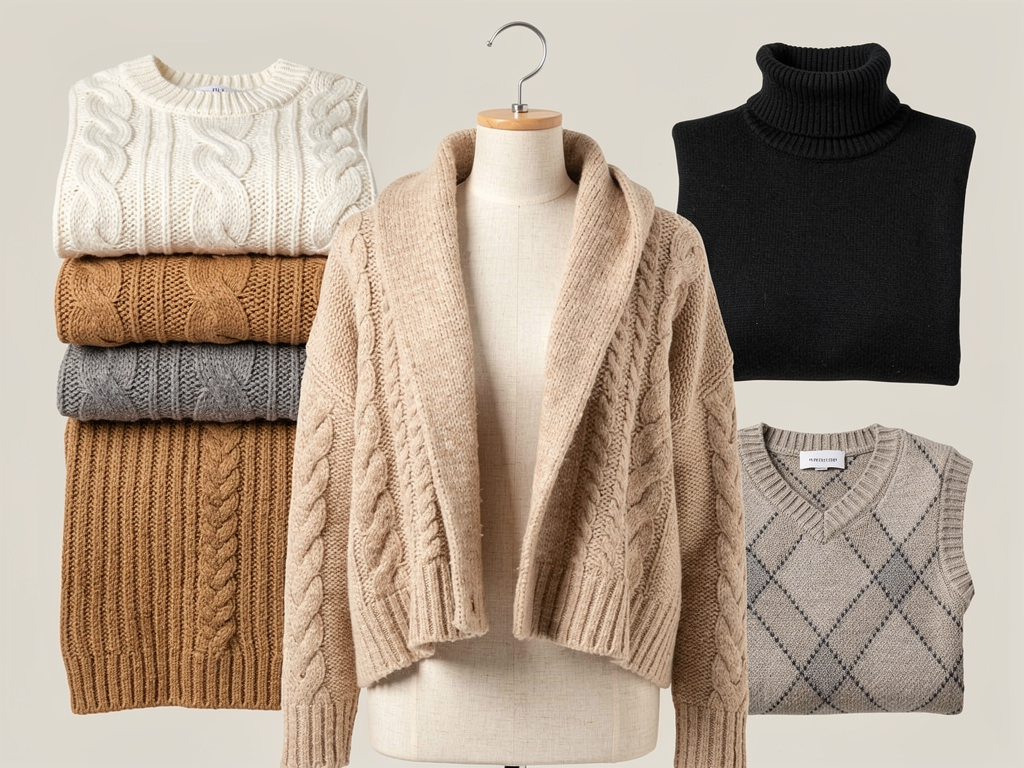
Knitwear: The Heart of Cozy
If cozy aesthetic had a backbone, it would be knitwear. These are the pieces that do the heavy lifting—literally and visually—when it comes to warmth and softness.
Oversized Cable-Knit Sweaters
This is the iconic cozy piece for a reason. Cable knits bring instant texture and warmth, and an oversized silhouette gives you that relaxed, enveloping feel without looking sloppy.
Look for sweaters that hit at mid-hip or longer, with dropped shoulders and sleeves you can push up casually. Neutral shades like cream, oatmeal, camel, and taupe let the knit pattern shine without overwhelming the outfit.
Fabric matters here. Wool, alpaca, or sturdy cotton blends hold their shape and resist pilling. The best cable knits feel substantial but still drape nicely—cozy, not bulky.
Chunky Cardigans
Your ultimate layering hero. A good chunky cardigan works over everything: turtlenecks, tees, dresses, even pajamas if we’re being honest.
Longer lengths, roomy fits, and patch pockets all add to the cozy factor. Shawl collars feel extra snug, while simple crew-neck styles give you more styling flexibility. Neutrals are the most versatile, but a burgundy, rust, or forest green cardigan adds personality without breaking the palette.
Turtlenecks (Fitted and Oversized)
If there’s one piece that quietly does everything, it’s the turtleneck.
Fitted styles in merino or cotton blends are perfect base layers—easy to tuck, easy to layer, and great under scarves and cardigans. Oversized turtlenecks, on the other hand, stand on their own. Slouchy, relaxed, and effortlessly cozy.
Stick to core colors like cream, black, caramel, and gray and you’ll never run out of outfit combinations.
Sweater Vests
The underrated cozy essential. Sweater vests add warmth and texture without bulk, making them ideal for layering in transitional seasons or indoor spaces.
Wear them over fitted turtlenecks, button-downs, or long-sleeve tees. Cable knit, ribbed, or fair isle styles all work beautifully. V-necks feel a bit more polished; crew-necks lean casual and vintage.
Comfortable Bottoms (That Still Look Put-Together)
Cozy bottoms should feel easy—but never like you gave up.
Wide-Leg Lounge Pants
These are the “are these pajamas?” pants—and that’s a compliment. Soft, wide-leg lounge pants in cotton knits, linen blends, or ribbed fabrics offer real comfort with a polished silhouette.
Look for elastic waistbands that are either hidden or styled intentionally. Oatmeal, sage, charcoal, and soft black work both at home and out in the world when paired with structured knits.
Corduroy Trousers
Corduroy is cozy’s secret texture weapon. Wide-wale corduroy in caramel, chocolate, rust, or forest green adds warmth and visual interest instantly.
High-waisted, relaxed or straight-leg styles are the most comfortable and flattering. Corduroy does a lot of the styling work for you—throw on a simple sweater and you’re done.
High-Waisted Jeans (Relaxed Fit)
Yes, denim belongs here. The key is choosing the right kind.
High-waisted, straight or wide-leg jeans in medium or light washes offer structure without stiffness. Avoid heavy distressing or overly trendy cuts. These jeans ground softer pieces and transition seamlessly from home to errands to casual plans.
Midi Skirts in Warm Fabrics
Midi skirts bring softness and femininity into cozy dressing. Corduroy, heavy cotton, linen blends, or lightweight wool all work beautifully.
Stick to earthy tones like caramel, sage, chocolate, or terracotta. Pair them with chunky knits and tights in winter, or lighter sweaters and boots in warmer months. They elevate cozy tops without sacrificing comfort.
Layering Pieces That Pull Everything Together
Layering is what turns cozy from casual into styled.
Oversized Flannel Shirts
A classic for a reason. Wear flannel open over turtlenecks like a light jacket, or buttoned up on its own.
Men’s flannels often work best for layering—roomy, soft, and perfectly worn-in. Stick to traditional color combos that complement your neutrals rather than compete with them.
Quilted Jackets and Vests
Quilted pieces add lightweight warmth and structure. Barn jackets, chore coats, and quilted vests work especially well for transitional weather.
Look for matte fabrics and classic diamond quilting. Skip overly athletic details—cozy thrives on timelessness.
Long Wool Coats
The piece that instantly elevates everything. A long wool coat in camel, charcoal, or chocolate makes even the simplest outfit feel intentional.
This is worth investing in. Look for high wool content, substantial weight, and classic silhouettes that won’t date quickly. A great wool coat will last you decades.
Sherpa and Fleece Jackets
For days when you want warmth without formality. Cream, oatmeal, or camel sherpa keeps things cozy without veering sporty.
Quarter-zips layer beautifully; full-zip styles work as casual outerwear. Easy, warm, and low-maintenance.
Footwear: Comfortable, Practical, Lived-In
Cozy footwear should feel good and look like it’s been lived in.
Shearling-Lined Boots
Essential for cold weather. Ankle or mid-calf styles in cognac, taupe, or chocolate leather work with everything from jeans to midi skirts.
Minimal hardware and clean lines age best. A little wear only adds to the charm.
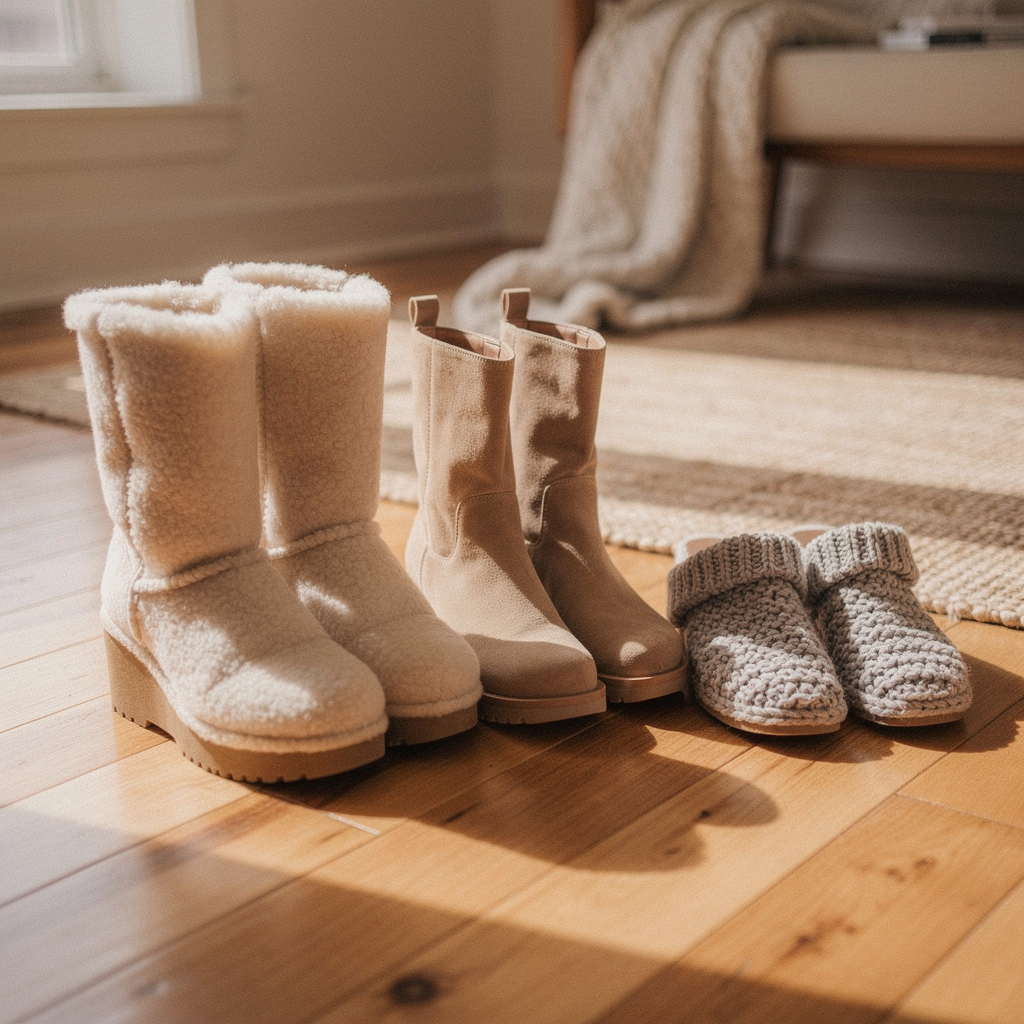
Chunky Knit Slippers
Not just for staying in. Knit slippers with rubber soles work for quick errands, work-from-home days, and lazy weekends.
They’re cozy philosophy in shoe form.
Leather Clogs
The Scandinavian staple. Easy to slip on, surprisingly versatile, and perfect with cropped jeans, wide-leg pants, or skirts.
Quality clogs only get more comfortable over time—exactly what cozy is about.
Weathered Ankle Boots
Your everyday anchor. Chelsea boots, lace-ups, or simple zip styles all work—just choose well-made leather that improves with age.
Avoid overly trendy details. Cozy favors longevity.
Accessories: The Cozy Finishing Touches
Accessories are where cozy really shines.
Chunky Scarves
Oversized wool or cashmere-blend scarves add warmth and texture instantly. Neutrals are endlessly wearable; deeper tones like burgundy or rust bring seasonal interest.
Knit Beanies and Berets
Beanies keep things casual and relaxed. Berets add a touch of European polish. Both belong here.
Leather Bags
Slouchy leather totes and crossbody bags in cognac, chocolate, or black feel practical and timeless. Minimal hardware, soft structure, and natural leather that ages well are key.
Warm Socks
Let them show. Thick wool or cable-knit socks peeking out of boots or worn with clogs add texture and personality—and real comfort.
When you build your cozy wardrobe around these essentials, outfits practically assemble themselves. Focus on quality over quantity, choose pieces that feel good and look good, and let texture and layering do the work. Cozy isn’t about perfection—it’s about ease, warmth, and wearing things you actually want to live in.
Cozy Aesthetic Styling Formulas
One of the biggest misconceptions about cozy style is that it’s unstructured or “just throwing things on.” In reality, the cozy aesthetic works best when it follows simple, repeatable formulas. These outfits feel effortless because they’re built on balance—softness paired with structure, comfort grounded by intention.
Think of the formulas below as mix-and-match templates. Once you understand the structure, you can swap pieces in and out based on season, mood, or lifestyle without losing the cozy effect.
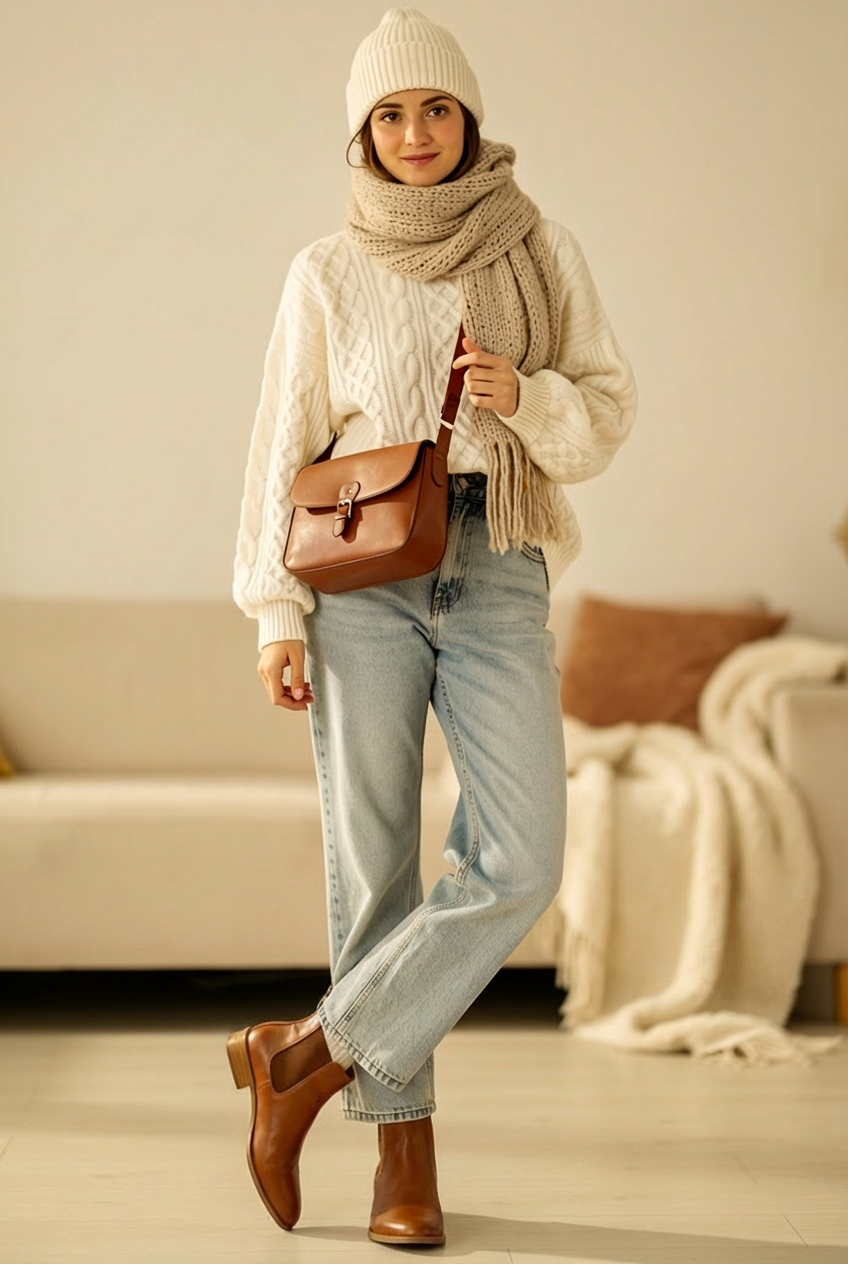
Formula 1: Classic Cozy Layers
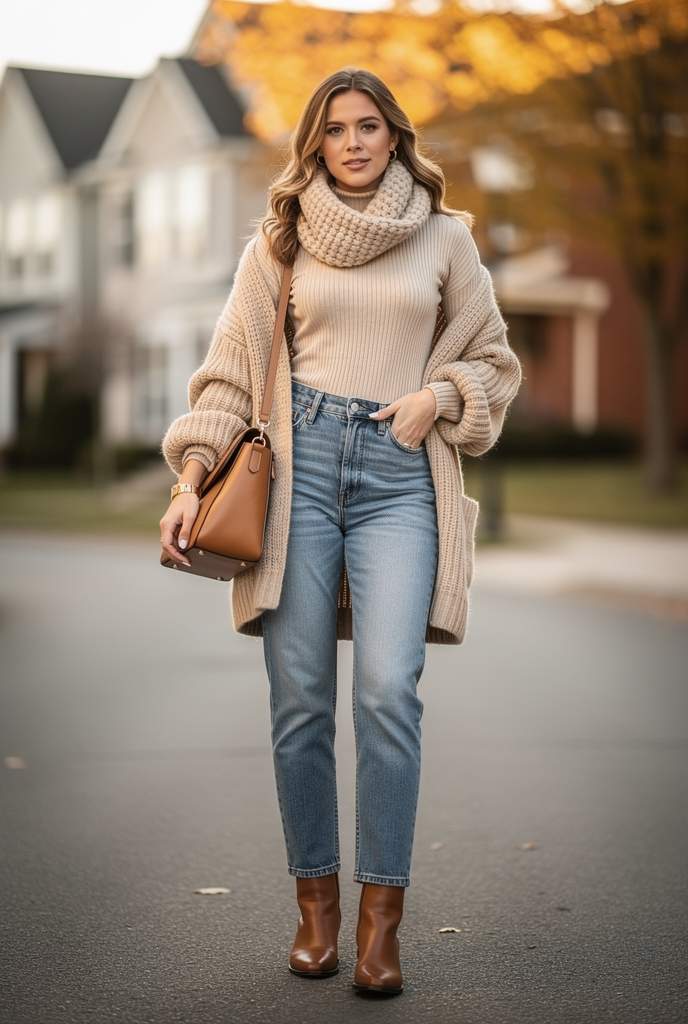
Base: Fitted turtleneck + high-waisted jeans
Mid-Layer: Oversized cardigan
Accessories: Chunky scarf + leather bag
Footwear: Ankle boots
This is the foundation of cozy dressing—and for good reason. A fitted turtleneck creates a clean, streamlined base, while high-waisted jeans add structure without feeling restrictive. From there, the oversized cardigan does what cozy does best: soften the look and wrap everything together.
The contrast between fitted and relaxed is what makes this formula work. Without the slim base, the layers risk looking bulky. With it, everything feels intentional.
Finish with a chunky scarf for texture and warmth, and a leather bag to ground the softness. Ankle boots—especially in cognac, chocolate, or black—anchor the outfit and make it practical for real life.
When to wear it: Everyday errands, casual workdays, coffee meetings, travel days
Why it works: It’s endlessly adaptable and flattering on nearly everyone
Make it yours: Swap jeans for corduroy or add a belt for subtle definition
Formula 2: Weekend Comfort
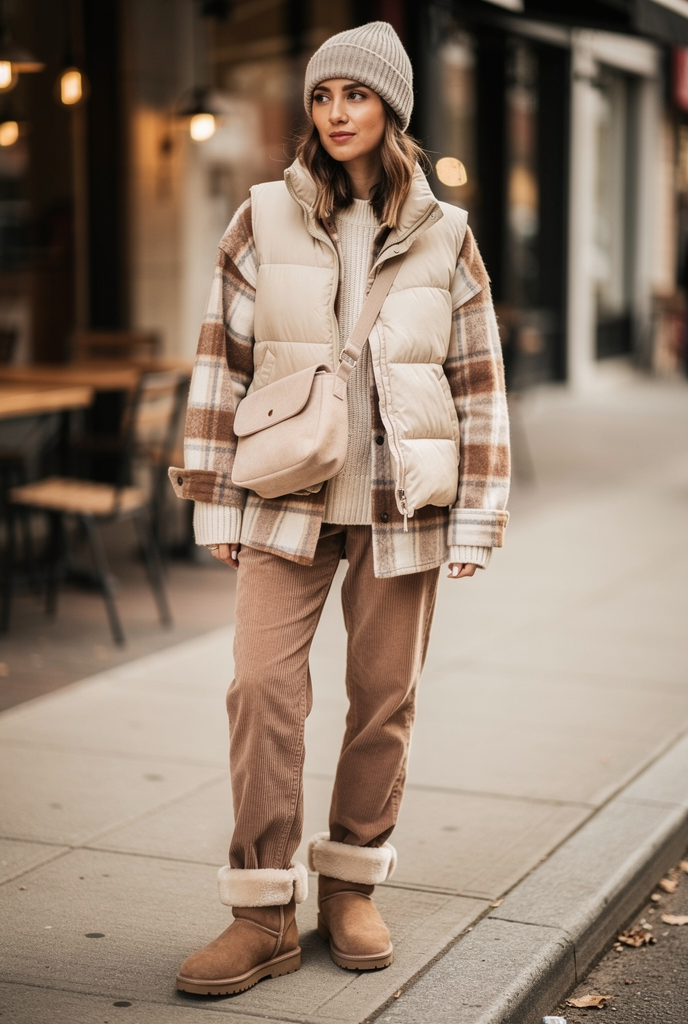
Base: Soft knit sweater + corduroy pants
Layer: Quilted vest or oversized flannel
Accessories: Beanie + crossbody bag
Footwear: Shearling-lined boots
This formula is cozy at its most relaxed—perfect for slower days when comfort is the priority but you still want to look put together.
Corduroy pants bring warmth and texture, instantly elevating a simple knit sweater. Adding a quilted vest or flannel introduces visual interest without too much bulk, keeping the outfit easy to move in.
Accessories are practical and casual here. A beanie adds warmth and personality, while a crossbody bag keeps your hands free. Shearling boots tie it all together, offering warmth and that unmistakable cozy finish.
When to wear it: Weekend errands, outdoor walks, farmers’ markets, casual hangouts
Why it works: Texture does the styling for you
Make it yours: Try a rust or forest-green flannel for subtle color
Formula 3: Elevated Lounge
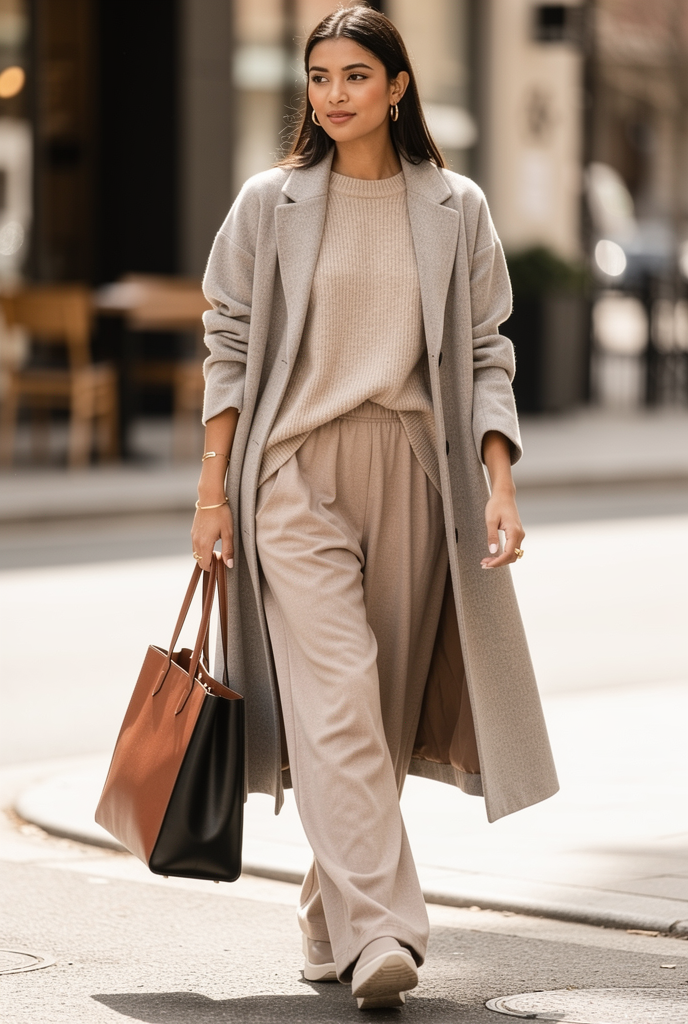
Base: Cashmere (or fine knit) sweater + wide-leg lounge pants
Layer: Long wool coat (for transitions)
Accessories: Minimal jewelry + leather tote
Footwear: Clogs or slip-on sneakers
This formula proves that comfort and polish can coexist. Wide-leg lounge pants offer ease and movement, while a refined knit on top keeps things from veering into pajama territory.
The magic happens with the outer layer. A long wool coat instantly elevates the look, making it appropriate for stepping out—even if you feel like you’re still wrapped in a blanket.
Keep accessories simple: delicate jewelry, a structured leather tote, and shoes that are easy but intentional. Clogs lean cozy-chic, while slip-on sneakers keep things casual and practical.
When to wear it: Work-from-home days, travel, casual meetings, slow afternoons out
Why it works: It’s soft everywhere except where it needs structure
Make it yours: Choose monochrome tones for an especially polished feel
Formula 4: Cozy Date Night
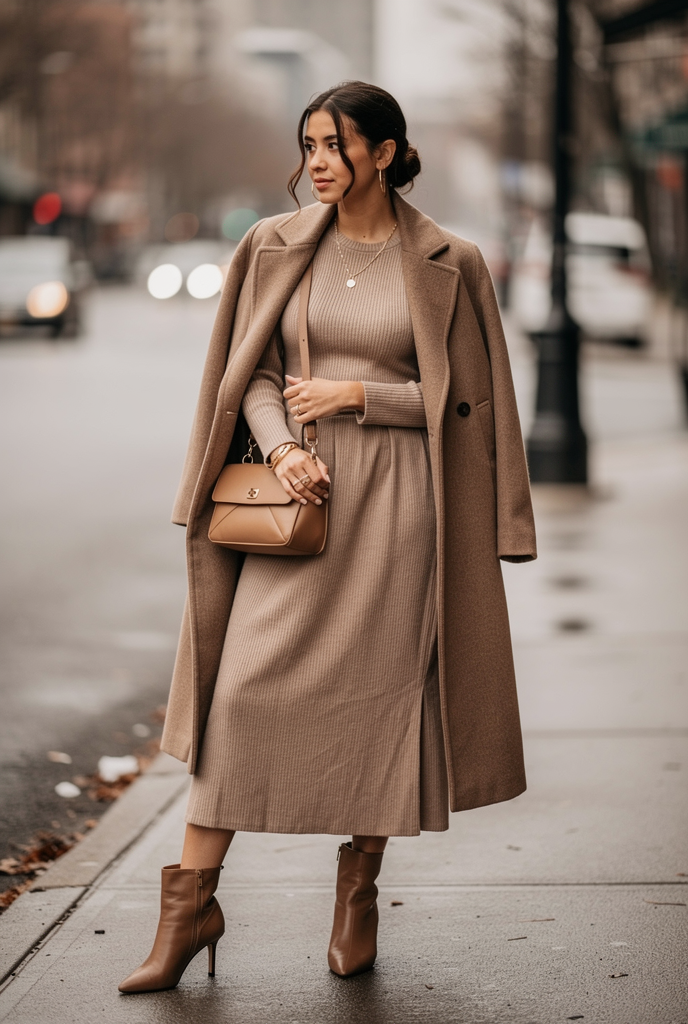
Base: Fitted knit dress or sweater + midi skirt
Layer: Oversized coat
Accessories: Delicate jewelry + small bag
Footwear: Heeled boots
Cozy doesn’t mean giving up femininity—or romance. This formula balances softness with subtle elegance, perfect for evenings that call for warmth and style.
A fitted knit dress offers simplicity and comfort in one piece, while a sweater-and-midi-skirt combination adds movement and texture. The oversized coat keeps things relaxed and modern, preventing the look from feeling too precious.
Accessories stay refined and minimal. A small leather bag and delicate jewelry add polish without overpowering the softness of the outfit. Heeled boots provide just enough structure and elevation.
When to wear it: Casual dinners, winter dates, gallery nights
Why it works: Cozy textures meet intentional silhouette
Make it yours: Add tights and a scarf for extra warmth without losing elegance
The Takeaway: Cozy Is a Formula, Not a Free-for-All
The secret to cozy style isn’t owning endless sweaters—it’s understanding balance. Each of these formulas pairs softness with structure, comfort with intention. Once you internalize that rhythm, getting dressed becomes easier, faster, and far more enjoyable.
Cozy aesthetic isn’t about perfection. It’s about ease. And when your wardrobe is built on formulas that support your life—not fight it—you feel that comfort in every outfit you wear.
Shopping the Cozy Aesthetic by Budget
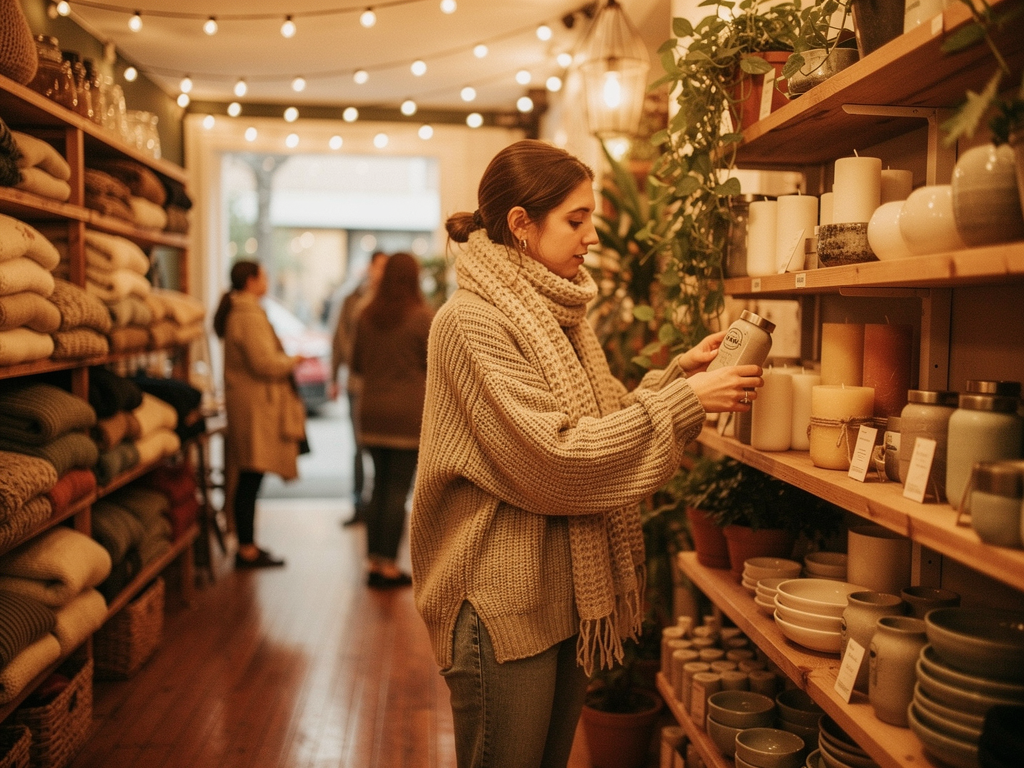
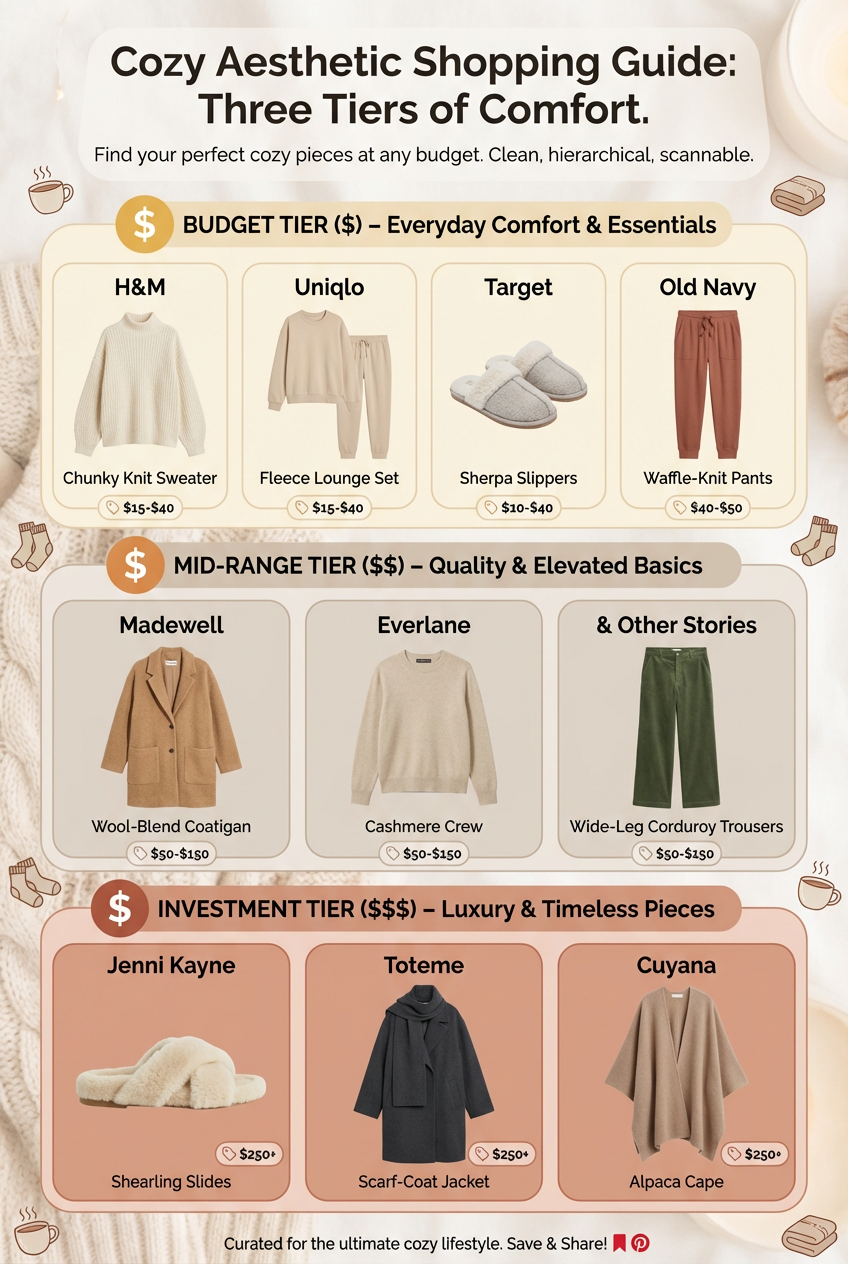
One of the biggest myths about the cozy aesthetic is that it’s expensive—that you need head-to-toe cashmere, designer coats, and a perfectly curated closet to pull it off. In reality, cozy style is far more about how you shop than how much you spend.
The goal isn’t to buy everything at once. It’s to build slowly, prioritize texture and comfort, and invest where it matters most for you. Below, we’ll break down how to shop the cozy aesthetic at three different budget levels—plus how to thrift it like a pro.
Budget-Friendly Cozy ($)
Cozy on a budget is all about smart basics, good layering, and knowing where quality hides in plain sight.
Knitwear
Great cozy knits don’t have to be pricey—you just have to be selective. Look for thicker gauge sweaters, ribbed textures, and relaxed silhouettes at places like H&M, Uniqlo, and Target.
Check fabric content carefully. Cotton blends, recycled wool, and heavier knits will hold up better than ultra-thin synthetics. Neutral shades tend to look more elevated and age better over time.
Bottoms
Comfortable bottoms are one of the easiest places to save. Old Navy and Gap offer reliable jeans, corduroy pants, and lounge-friendly trousers that work well for cozy styling. Madewell sales are also worth watching for higher-quality denim at accessible prices.
Outerwear
Trend-driven outerwear can be a budget win. ASOS and Zara often have oversized coats, quilted jackets, and transitional layers that photograph beautifully and work for everyday wear.
Focus on classic colors and simple cuts to extend their lifespan.
Accessories
Accessories are where budget cozy shines. Scarves, beanies, knit socks, and slippers are easy to find on Amazon, while Etsy is great for wool scarves, hand-knit accessories, and vintage-inspired finds.
Styling tip:
If you’re shopping on a tight budget, invest in one standout knit—something substantial and well-fitting—then fill in around it with affordable basics. One great sweater can carry a dozen outfits.
Mid-Range Cozy ($$)
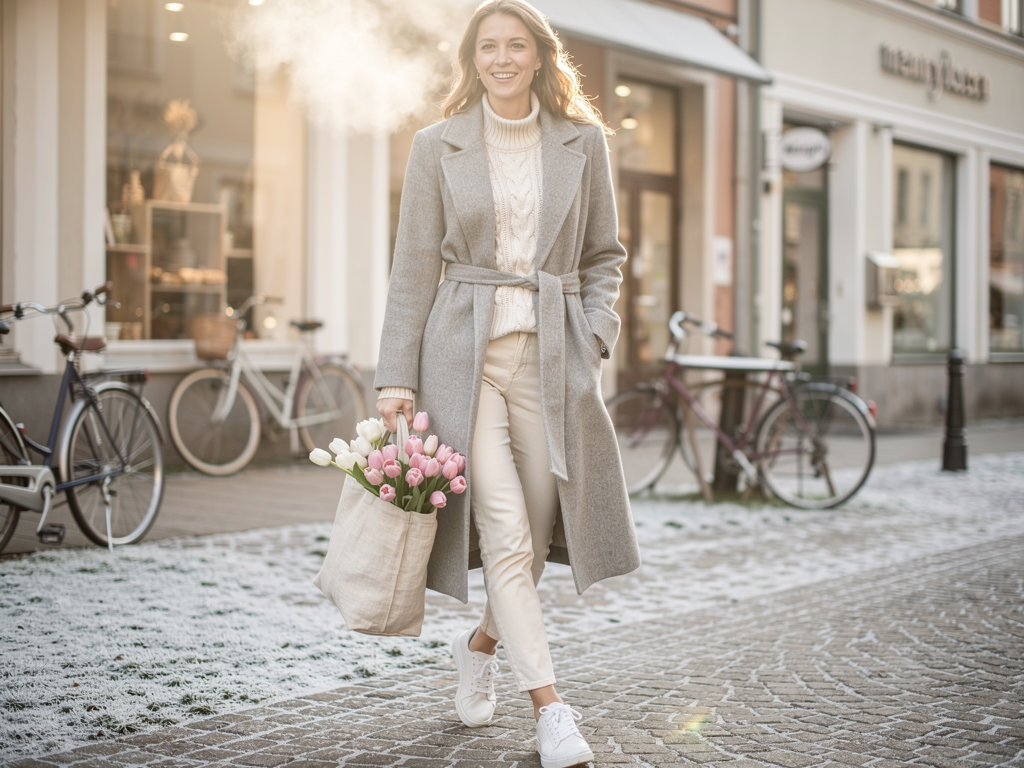
This is the sweet spot for many cozy wardrobes. Here, you can start prioritizing better fabrics, more thoughtful silhouettes, and pieces that last beyond a single season.
Knitwear
Brands like & Other Stories, Everlane, and Madewell (sales included) offer knits that balance softness with structure. This is where merino wool, alpaca blends, and heavier cotton knits become more accessible.
Look for cardigans and sweaters you can wear both layered and on their own.
Bottoms
For jeans and trousers, Levi's remains a cozy staple—especially relaxed, straight, or wide-leg styles. Anthropologie is excellent for corduroy pants, soft trousers, and midi skirts that lean into texture and warmth.
Outerwear
Mid-range outerwear is where cozy really levels up. Quince offers wool coats and cashmere blends at surprisingly approachable prices. Watch for Vince on sale for timeless coats and knits, and Sezane for cardigans and outer layers with subtle European polish.
Accessories
For bags and everyday accessories, Baggu offers functional, cozy-friendly totes and crossbodies, while Nisolo is a great source for leather accessories that age beautifully.
Styling tip:
In this price range, focus on neutral, versatile pieces you can wear repeatedly. Cream, oatmeal, camel, chocolate, and charcoal will always give you more outfit mileage than trend colors.
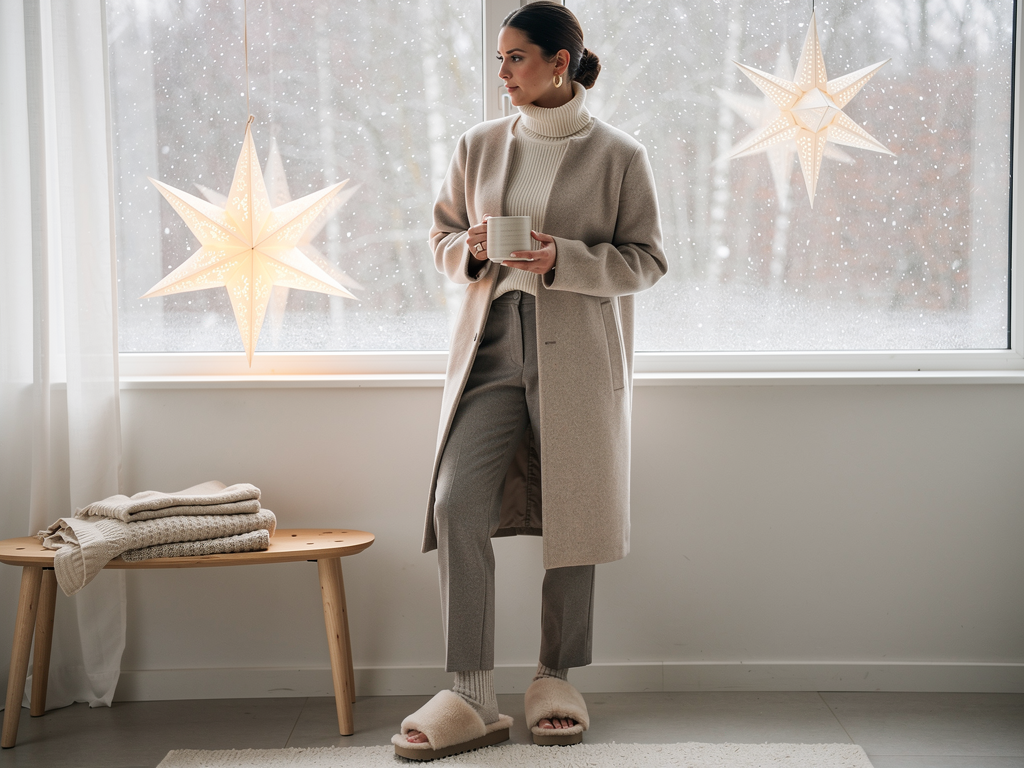
Investment Cozy ($$$)
Investment cozy isn’t about buying more—it’s about buying once. These are the pieces that anchor your wardrobe for years, sometimes decades.
Knitwear
This is where luxury knits truly shine. Jenni Kayne, Vince, and Naadam are known for cashmere and wool knits that drape beautifully and hold up with proper care.
Choose classic silhouettes—crewnecks, cardigans, relaxed turtlenecks—over anything too trend-driven.
Bottoms
For jeans and trousers, Reformation, AYR, and Citizens of Humanity offer elevated fits and high-quality fabrics that balance comfort with structure.
These pieces tend to get better with wear, which is exactly what cozy aesthetic celebrates.
Outerwear
If there’s one category worth investing in, it’s outerwear. Toteme is beloved for minimalist wool coats with cozy proportions. The Row (especially pre-loved) offers unparalleled fabric and fit. Ganni provides a slightly more playful take on cozy outer layers.
Accessories
For timeless leather goods, Cuyana and Mansur Gavriel create bags that feel soft, functional, and enduring.
Styling tip:
When investing, prioritize timeless silhouettes over trends. Cozy pieces should feel just as right five years from now as they do today.
Cozy Aesthetic Lifestyle Beyond Fashion
The cozy aesthetic doesn’t stop at what you wear. In many ways, clothing is just the most visible entry point into a larger way of living—one that prioritizes comfort, warmth, and intentionality in everyday life. When cozy moves beyond your closet and into your home, routines, and mindset, it becomes less of a trend and more of a personal rhythm.
This is where cozy really earns its staying power.
Home Environment: Creating Visual and Physical Warmth
A cozy home isn’t about perfection or expensive décor. It’s about how a space feels when you’re in it. Warmth comes from layers, soft light, and materials that invite touch.
Textural layering is the foundation. Throws draped over the arm of a sofa, pillows in mixed fabrics, and rugs that soften hard floors all add visual depth and literal comfort. The key is variety without clutter—knits paired with linen, wool mixed with cotton, smooth ceramics against rough wood. These layers make a space feel lived-in rather than styled.
Lighting does most of the emotional work. Cozy spaces avoid harsh overhead light whenever possible. Instead, they rely on a mix of low lamps, warm bulbs, candles, and subtle string lights. The goal is ambient glow, not brightness. Lighting that pools softly in corners or along shelves makes a space feel calm and contained, especially in the evenings.
Natural materials ground everything. Wood furniture, ceramic mugs, linen curtains, stone accents—these elements bring in an organic quality that feels timeless and reassuring. They age beautifully, develop character, and quietly reinforce the idea that your home is meant to be used, not preserved.
A cozy home doesn’t need to be large or perfectly curated. Even a single corner—a chair, a lamp, a blanket—can become a sanctuary.
Daily Rituals: Where Cozy Becomes a Practice
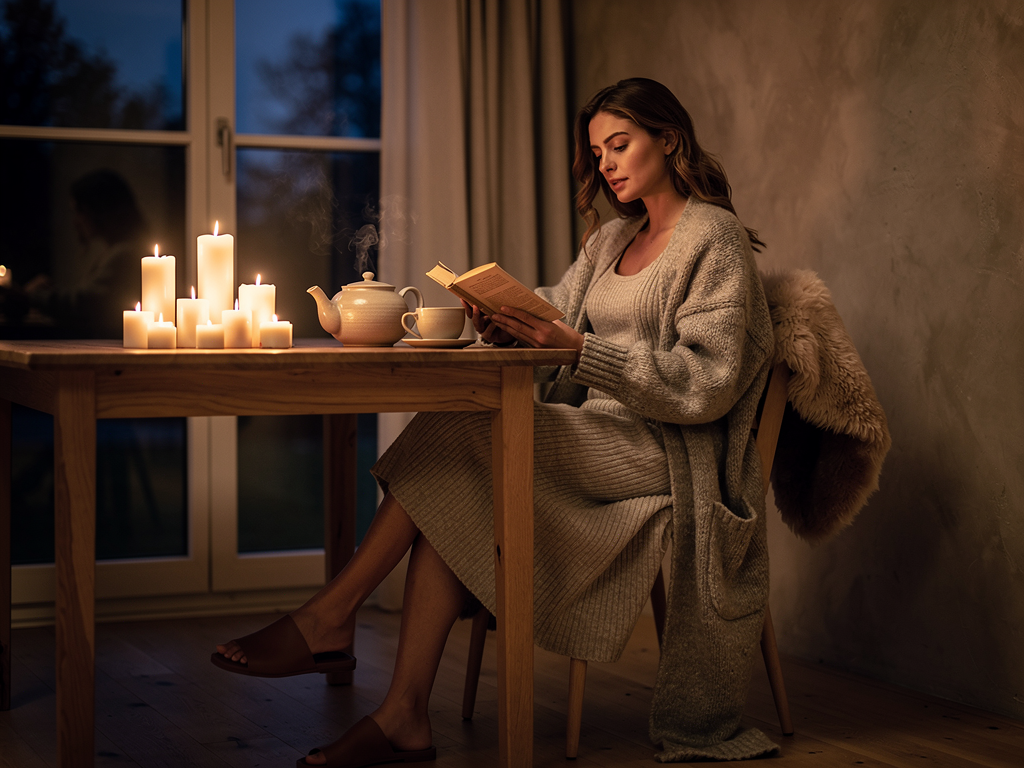
Cozy aesthetic is as much about how you move through your day as how things look. Small rituals create a sense of comfort that carries you from morning to night.
Morning routines set the tone. Cozy mornings are unhurried where possible, centered on warmth and grounding. Hot beverages—coffee, tea, matcha—are part of the ritual, not something grabbed on the way out the door. Breakfast doesn’t have to be elaborate, but it’s intentional. Even five extra minutes at the table, rather than standing at the counter, can shift the energy of the day.
Clothing plays a role here too—soft knits, warm socks, layers that make mornings feel gentler rather than rushed.
Evening wind-down practices are just as important. Cozy evenings signal to your nervous system that it’s safe to slow down. This might look like dimming the lights early, lighting a candle, changing into comfortable clothes, before you actually feel tired. Screens take a backseat, even briefly, to reading, journaling, stretching, or quiet conversation.
The ritual matters more than the activity itself. Repetition builds comfort.
Seasonal activities anchor cozy living to the natural calendar. Baking when it’s cold. Reading more in winter. Crafting, knitting, or simple DIY projects when evenings grow longer. These activities aren’t about productivity—they’re about presence. Cozy honors the seasons instead of fighting them.
Mindset & Philosophy: The Heart of Cozy
At its core, cozy aesthetic is a mindset. It’s not about escaping life, but about making daily life more humane.
Intentional slowness doesn’t mean doing less—it means doing things with care. Cozy living asks where you can soften your pace, even slightly. Sitting instead of standing. Choosing the longer route if it’s calmer. Letting moments unfold without rushing to the next one.
This slowness is quiet, not performative. It’s not about romanticizing inactivity; it’s about resisting the pressure to always optimize.
Comfort as self-care is another key pillar. Cozy reframes comfort as something earned or justified, not indulgent. Wearing soft clothes, creating a warm home, and prioritizing rest are not rewards—they’re baseline needs. Cozy aesthetic removes guilt from comfort and replaces it with intention.
This is especially powerful in a culture that often equates discomfort with virtue.
Creating a sanctuary in daily life is the ultimate goal. Sanctuary doesn’t require isolation or escape—it can exist inside routine. Your morning mug. Your favorite chair. The sweater you reach for without thinking. Cozy aesthetic teaches that sanctuary isn’t a destination; it’s something you build quietly, piece by piece, in the life you already have.
Cozy as a Lifestyle, Not a Look
When you extend cozy aesthetic beyond fashion, it becomes deeply personal. Your version might look minimal or layered, quiet or nostalgic, structured or soft. What matters is that it supports you.
Cozy living isn’t about perfection, trends, or aesthetics for aesthetics’ sake. It’s about choosing warmth—physically, emotionally, and mentally—again and again. And in a world that often feels overwhelming, that choice is anything but small.
